This article contains affiliate links. If you book through them, I earn a small commission at no extra cost to you.
In This Article
- Crime in Hokkaido (Basically None)
- Winter Is the Real Risk
- Driving in Hokkaido Winter
- Bears
- Earthquakes and Volcanoes
- Medical Care and Insurance
- Emergency Numbers
- Solo Travel and Women Travelling Alone
- LGBTQ+ Travellers
- Food Safety and Allergies
- Natural Disasters Beyond Earthquakes
- Practical Safety Tips
- So, Is Hokkaido Actually Safe?
I got asked this question three times in one week last January. A friend planning her first trip. My sister, who panics about everything. A guy on Reddit who had just watched a news segment about earthquakes. All of them basically wanted to know the same thing: should I actually be worried about going to Hokkaido?
Short answer — no. Longer answer — it depends what you mean by “safe.” If you mean crime, Hokkaido is safer than almost anywhere you have ever been. If you mean natural hazards, well, there are some real ones, but they are predictable and manageable if you are not reckless about it.
I have spent extended time in Hokkaido across all four seasons, and the only time I genuinely felt unsafe was driving a rental car through a whiteout near Asahikawa in February. Not because someone was following me. Because I could not see the road.
That kind of sums up Hokkaido safety. The risks are almost entirely weather and nature. Not people.

Crime in Hokkaido (Basically None)
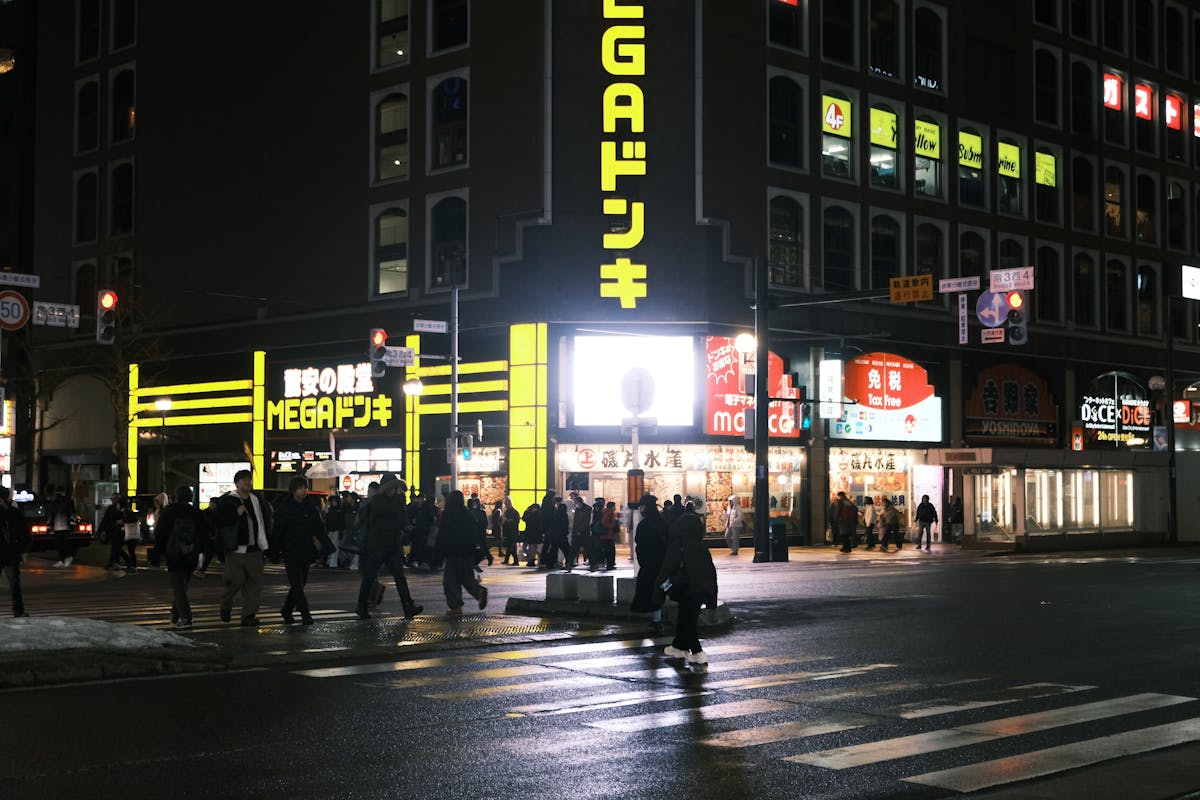
Japan consistently ranks as one of the safest countries in the world for violent crime. Hokkaido follows that trend and then some. You can walk through Sapporo’s Susukino entertainment district at 2am and the biggest risk is someone trying to hand you a flyer for a ramen shop.
I have left my bag on a chair in a cafe, come back twenty minutes later, and it was exactly where I put it. My phone sat on a park bench in Odori Park for an hour before I realised and jogged back — still there. That is not luck. That is just how things work here.
Petty theft exists but at rates so low they are statistically insignificant for tourists. Pickpocketing is almost unheard of. Scams targeting tourists are extremely rare in Hokkaido — you might encounter the occasional overpriced bar in Susukino, but even that is uncommon compared to entertainment districts in other Asian cities.
The Hokkaido Prefectural Police operate koban (small police boxes) throughout every city and town. These are staffed around the clock. If you are ever lost or need help with anything, koban officers will go out of their way to assist you, even if neither of you speaks the other’s language. I have watched an officer in Otaru spend fifteen minutes drawing a hand-made map for a confused tourist. That is the level of helpfulness you are dealing with.
Winter Is the Real Risk
Let me be blunt about this. If something goes wrong during your Hokkaido trip, it will almost certainly involve snow, ice, or cold. Not crime. Not earthquakes. Winter.
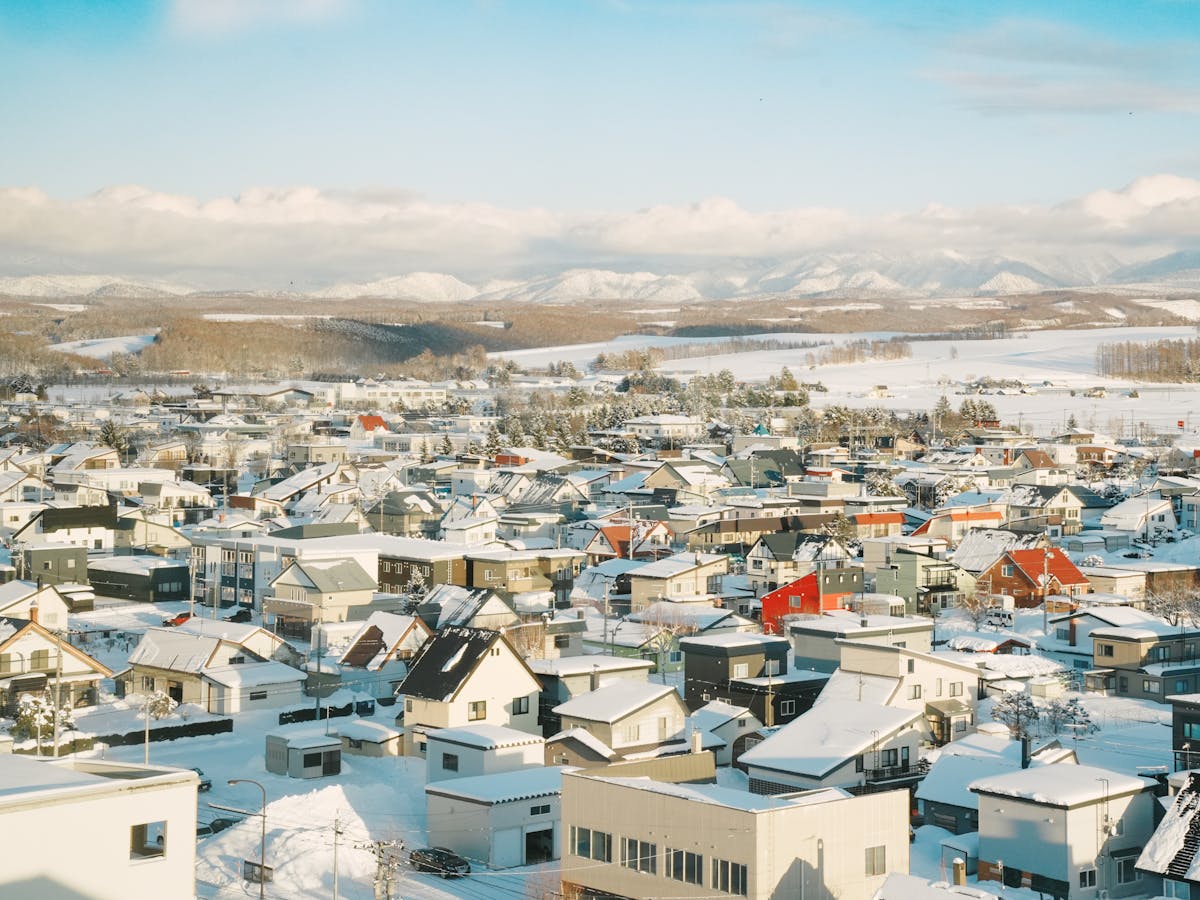
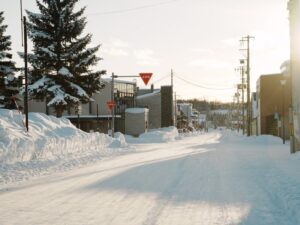
Hokkaido’s winter runs roughly from late November through March, and in some areas the snow does not fully melt until April. Sapporo alone averages nearly 5 metres of cumulative snowfall per season. The cold is serious — temperatures of -15 to -25C are normal in inland areas like Asahikawa and Kamikawa.
The thing that catches most visitors off guard is not the cold itself. It is the ice. Sidewalks in every city turn into skating rinks. Black ice on roads is constant. I have seen more people fall on their backsides walking in Sapporo in January than I have seen in any ski resort.
Winter walking tips: Buy clip-on ice grips for your shoes at any Daiso or shoe shop in Sapporo (around 300-500 yen). Walk flat-footed like a penguin. Do not rush. Locals know exactly which patches of pavement are slippery and walk around them — follow their lead.
Hypothermia and frostbite are genuine risks if you are underprepared. Check the Hokkaido packing list before your trip, especially if you are coming from a warm climate and have never dealt with temperatures below freezing. Layering matters more than one big coat.
Driving in Hokkaido Winter
This deserves its own section because it is, honestly, the most dangerous thing most tourists will do in Hokkaido. And a lot of people underestimate it badly.
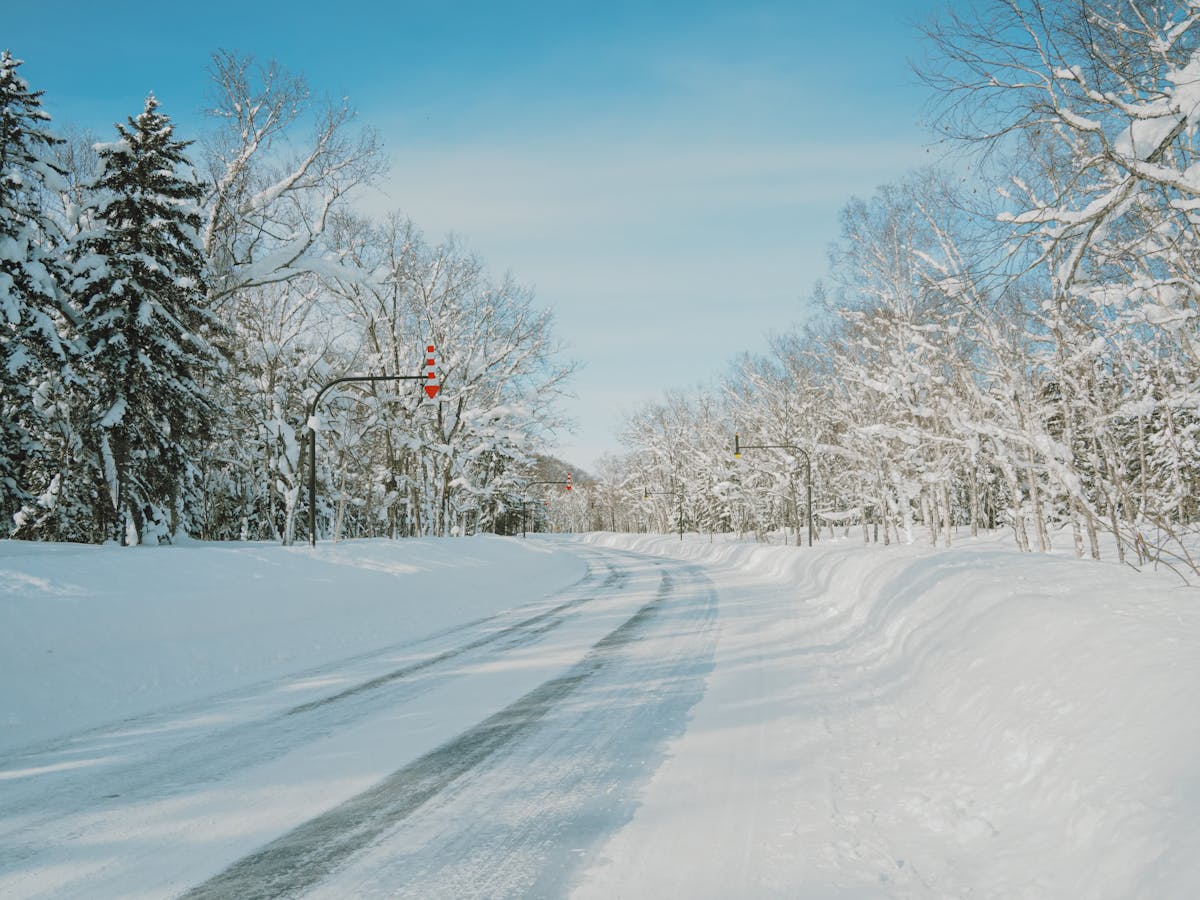
Hokkaido roads are well maintained by Japanese standards — snowploughs run constantly on major routes, and most highways are treated. But secondary roads, mountain passes, and rural routes between towns can become treacherous fast. Whiteout conditions happen regularly on open stretches between Asahikawa and the coast. Visibility drops to zero. Literally zero.
Every rental car in Hokkaido comes with studless winter tyres from December through March. That helps, but it does not make you invincible. If you have never driven on snow or ice before, the Hokkaido car rental guide covers what you need to know. If conditions look bad, just do not drive that day. Locals cancel plans without hesitation when the weather turns — there is no shame in it.
Another thing: deer. Hokkaido has a huge population of Ezo deer (estimated at over 600,000), and they wander onto roads constantly, especially at dawn and dusk. Hit one at speed and you are looking at a destroyed rental car at minimum. Drive slower than you think you need to on rural roads, particularly between October and March.
If you are doing a Hokkaido road trip, plan for shorter driving days in winter. What takes three hours in summer can take five or more when roads are bad.
Bears
Yes, Hokkaido has bears. Brown bears — Ursus arctos — the same species as grizzlies. Hokkaido is home to an estimated 12,000 of them, and encounters with humans have been increasing over the past decade as bear populations grow and their habitat overlaps more with residential areas.
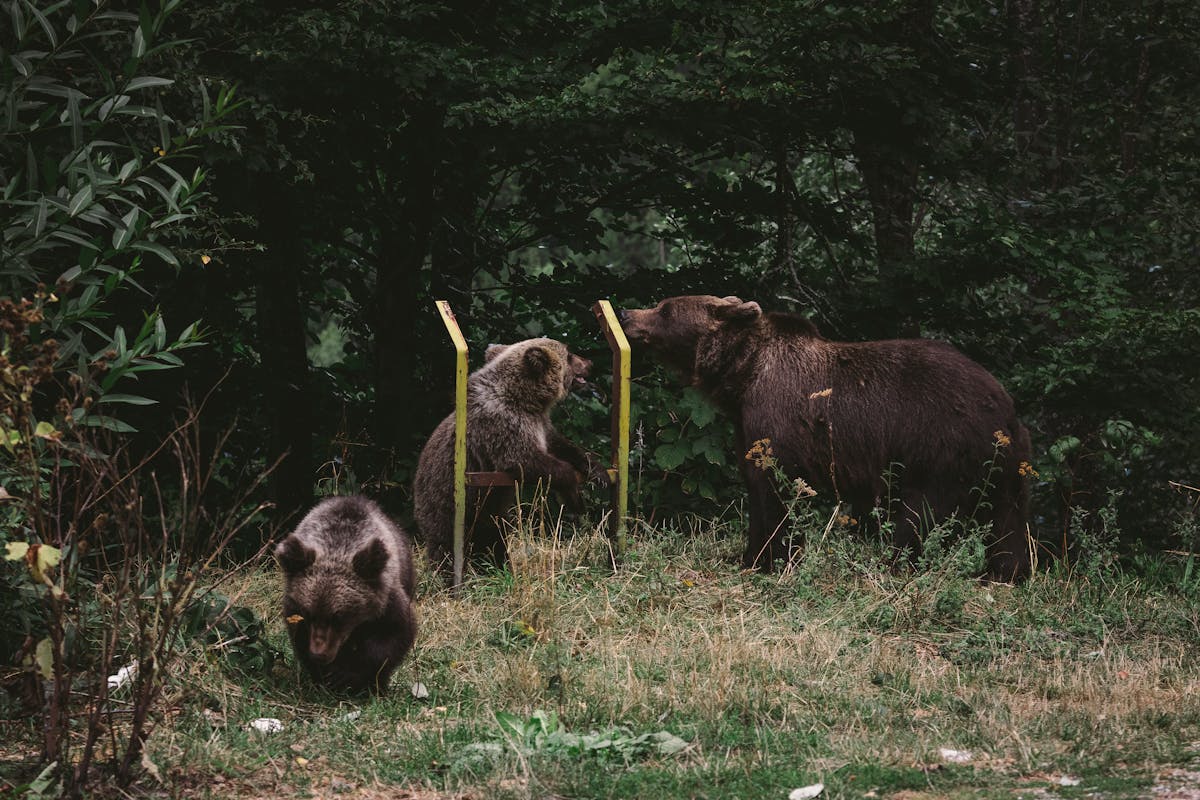
Should you be worried? Realistically, no. Fatal bear attacks in Hokkaido are extremely rare — a few incidents over the past decade, almost all involving people who entered remote backcountry areas alone and without bear bells or spray. The odds of encountering a bear on a standard tourist itinerary are close to zero. You are not going to run into one at a Sapporo ramen shop.
Where bears are a genuine consideration:
- Daisetsuzan National Park — the largest national park in Japan, and prime bear territory. If you are hiking in Hokkaido, this is where you need to be most careful.
- Shiretoko Peninsula — a UNESCO World Heritage site with one of the densest brown bear populations in the world. Guided tours are the smart way to visit.
- Rural areas anywhere in Hokkaido — bears have been spotted in residential areas in Sapporo suburbs, though attacks in urban areas are extremely uncommon.
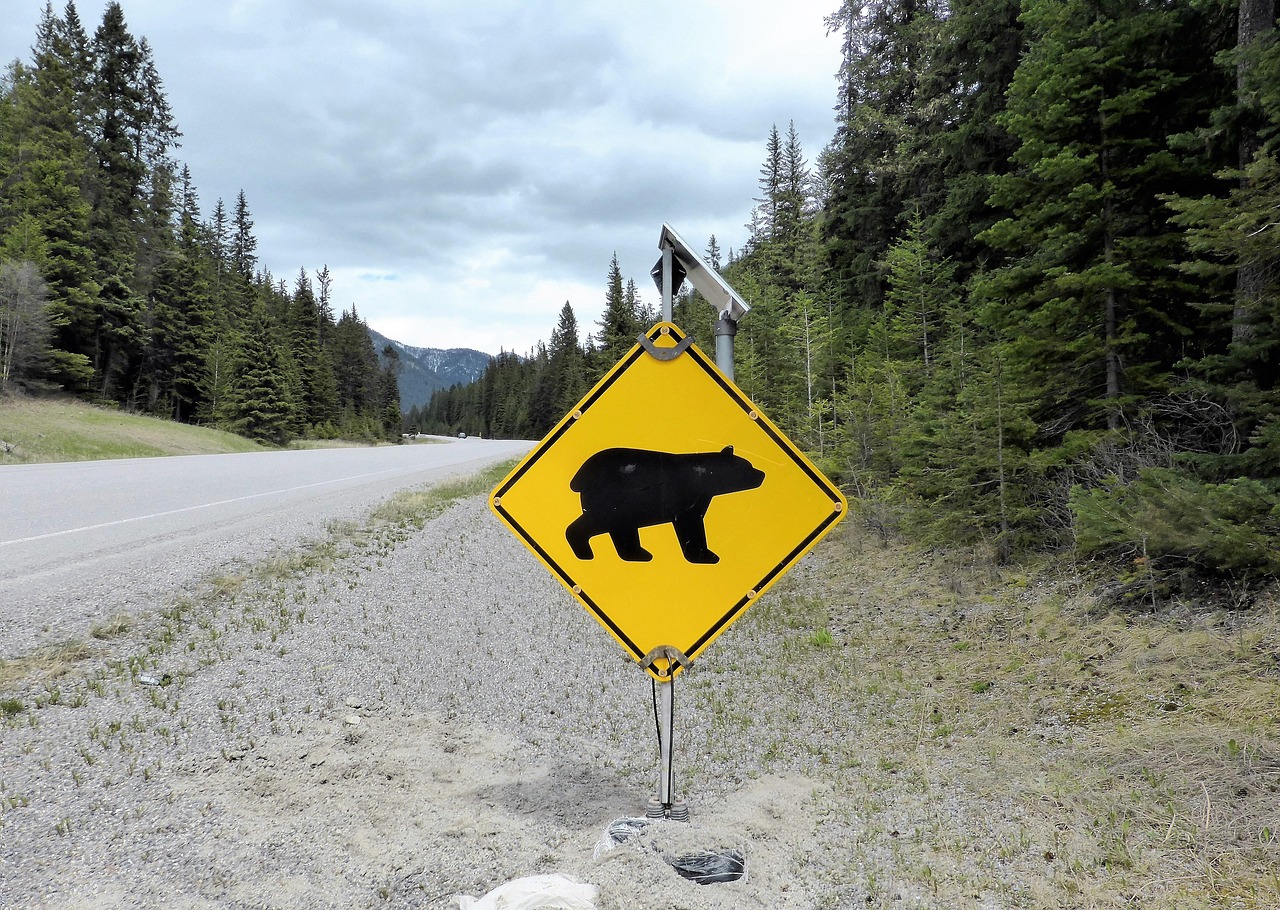
Bear safety basics: Carry a bear bell on any trail. Make noise while walking — bears want to avoid you as much as you want to avoid them. Do not leave food out. If you see a bear, do not run — back away slowly. Bear spray is available at outdoor shops in Sapporo and Asahikawa. Check trail conditions and any bear sighting reports before heading out.
Earthquakes and Volcanoes
Japan sits on the Pacific Ring of Fire. Earthquakes happen. That is just reality, not a reason to cancel your trip.
The most significant recent event was the September 2018 Hokkaido Eastern Iburi earthquake (magnitude 6.7), which caused landslides, a territory-wide power blackout, and 42 deaths. It was a serious disaster. But it was also followed by a rapid, well-coordinated recovery that showed exactly how prepared Japan’s infrastructure is for seismic events.
Buildings in Hokkaido follow strict earthquake-resistant construction codes. Hotels, train stations, and public buildings are designed to withstand significant tremors. The Japan Meteorological Agency operates one of the most advanced earthquake early warning systems in the world — your phone will scream at you seconds before a quake hits, giving you time to take cover.
If you feel an earthquake:
- Drop, cover, and hold on. Get under a sturdy table or desk.
- Stay away from windows and heavy objects that could fall.
- If you are outside, move away from buildings and power lines.
- After the shaking stops, check for tsunami warnings if you are near the coast.
Hokkaido also has several active volcanoes, including Mount Tokachi and Mount Meakan. Eruptions are monitored constantly by the JMA, and restricted zones are clearly marked. You will not accidentally wander into a danger area unless you are deliberately ignoring warning signs. The volcanic activity also gives Hokkaido some of its best onsen (hot spring) experiences.
Medical Care and Insurance
Hokkaido has excellent medical facilities. Sapporo has multiple large hospitals with English-speaking staff available, and even smaller cities like Asahikawa, Hakodate, and Obihiro have well-equipped hospitals.
That said — and this is important — get travel insurance. Japanese healthcare is excellent but not free for tourists. A hospital visit can easily cost tens of thousands of yen out of pocket. An ambulance ride is free (unlike the US), but the treatment that follows is not. If you need to be airlifted from a mountain, you are looking at a bill that could exceed 1,000,000 yen (roughly $7,000 USD).
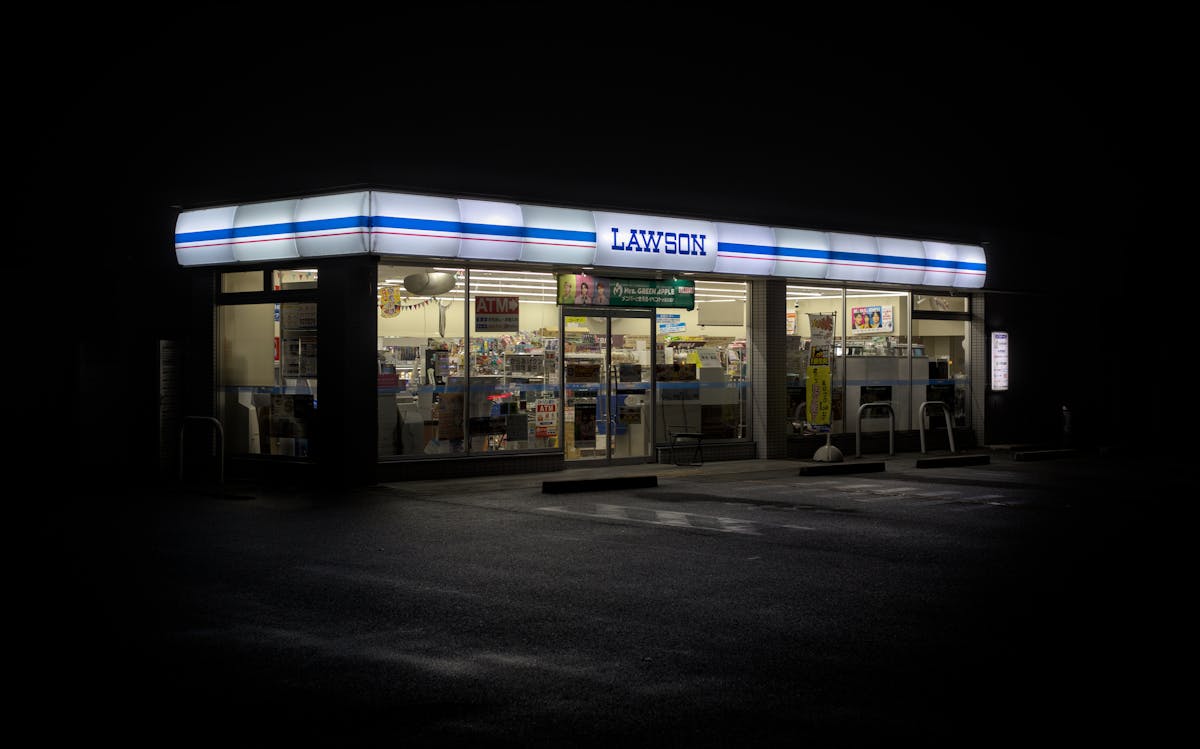
Pharmacies (yakkyoku) are everywhere, and convenience stores like Lawson, 7-Eleven, and Seicomart stock basic medicine — painkillers, cold medicine, stomach remedies. Note that Japanese over-the-counter medication dosages are typically lower than Western equivalents, so you may need to take more than one tablet. If you take prescription medication, bring enough for your entire trip plus a few extra days, along with a copy of your prescription.
For connectivity to call for help or look up information, make sure you have sorted out your Hokkaido WiFi and SIM situation before arrival.
Emergency Numbers
Key numbers to save in your phone:
- 110 — Police
- 119 — Ambulance and Fire
- #7119 — Non-emergency medical advice (some English support)
- 03-5774-0992 — Japan Helpline (English-language emergency assistance, 24/7)
If you call 110 or 119 and do not speak Japanese, say “English please” slowly and clearly. Most dispatch centres can connect you to an interpreter. In Sapporo, the likelihood of getting English support directly is decent. In rural areas, it may take longer, but the service exists.
Solo Travel and Women Travelling Alone
Hokkaido is one of the safest places on earth for solo travellers, full stop. I know women who have travelled the entire island alone — by train, by car, staying in hostels and guesthouses — and their biggest complaint was usually that the roads were icy or the ramen portions were too large.
Japan has women-only carriages on some trains (marked in pink). These exist primarily for commuter routes and are not common on Hokkaido’s intercity trains, but they are available on Sapporo’s subway during rush hours. Capsule hotels sometimes have women-only floors. Onsen are always gender-separated (mixed-gender ones are rare and clearly labelled).
The main thing solo travellers should think about in Hokkaido is not personal safety — it is logistics. Public transport thins out dramatically outside of Sapporo. Some of the best parts of the island, like Shiretoko and the Daisetsuzan highlands, are only realistic with a car or organised tour. Check the things to do in Hokkaido guide for route ideas that work without a car.
LGBTQ+ Travellers
Japan is not perfect on LGBTQ+ rights — same-sex marriage is not legally recognised nationwide, though Sapporo was actually the first city in Japan to introduce a same-sex partnership certificate system back in 2017. Hokkaido has been relatively progressive on this front compared to many other parts of the country.
In practical terms for travellers, you will not face any safety issues. Public displays of affection are uncommon for all couples in Japan (straight or otherwise), so the social expectation is simply that everyone keeps things relatively private in public. Two people of the same gender sharing a hotel room raises exactly zero eyebrows — it is completely normal.
Sapporo has a small but established LGBTQ+ scene in the Susukino area. Harassment or discrimination based on sexual orientation or gender identity is extremely unlikely during a tourist visit.
Food Safety and Allergies
Japan has some of the strictest food safety standards in the world. Tap water is safe everywhere in Hokkaido — you can drink it straight from the tap in any hotel, restaurant, or public bathroom. Street food is consistently safe. Raw fish is handled with the kind of obsessive care that would make a Western health inspector weep with joy.
The real challenge is food allergies. Japanese cuisine relies heavily on soy, wheat (in soy sauce), fish, shellfish, eggs, and dairy. Cross-contamination is common in restaurant kitchens that use shared cooking equipment. Peanut and tree nut allergies are less of a concern in traditional Japanese food, but Western-style bakeries and dessert shops use them freely.
If you have a serious allergy, get an allergy card in Japanese before you arrive. You can print these online — they clearly state your allergy in Japanese so you can show restaurant staff. Apps like “Allergy Card Japan” can help too. Conveyor-belt sushi restaurants (kaiten-zushi) are surprisingly good about allergen awareness, but smaller family-run places may not fully understand the severity of cross-contamination risks.
For an overview of what to expect food-wise and where to eat, the Sapporo travel guide covers the main dining areas.
Natural Disasters Beyond Earthquakes
Hokkaido occasionally deals with typhoons, though much less frequently than southern Japan. Typhoon season runs from roughly June through October, with most storms weakening before they reach Hokkaido. When one does hit, expect transport disruptions — trains stop, flights cancel, and roads may close temporarily. Check weather forecasts during these months and build flexibility into your travel timing.
Flooding and landslides can occur during heavy rain periods, particularly in mountain areas. These are well-monitored and warnings are issued in advance. Follow local guidance if warnings are issued — Japanese authorities err on the side of caution, which is exactly what you want.
Tsunami risk exists along Hokkaido’s coastline. Coastal areas have clearly marked evacuation routes (look for the blue and white signs). If you feel a strong earthquake near the coast, move to higher ground immediately without waiting for an official warning.
Practical Safety Tips
After everything above, here is the short version of what you actually need to do:
- Get travel insurance. Non-negotiable.
- Download the “Safety Tips” app by the Japan Tourism Agency — it sends earthquake, tsunami, and severe weather alerts in English.
- In winter, buy ice grips, layer your clothing, and do not fight the weather.
- If visiting in winter, give yourself extra time for everything.
- Carry a bear bell on any hike outside of paved tourist trails.
- Save 110 (police) and 119 (ambulance) in your phone.
- Keep your embassy’s contact information handy.
- If driving, go slower than you think necessary, especially at dawn and dusk when deer are active.
So, Is Hokkaido Actually Safe?
Yes. Unambiguously yes for crime. You are safer walking around Sapporo at night than you are in most European or North American cities during the day. That is not an exaggeration.
For natural hazards — yes, with a caveat. Earthquakes, snow, bears, and volcanoes are all real, but they are known, monitored, and prepared for. Japan does not ignore these risks. It builds its entire infrastructure around managing them. The earthquake warning system, the snowplough networks, the bear monitoring, the volcano alert levels — it all works.
The tourists who run into trouble in Hokkaido are almost always the ones who ignored the weather forecast, drove too fast on an icy road, or went hiking without checking trail conditions. Do not be that person and you will be fine.