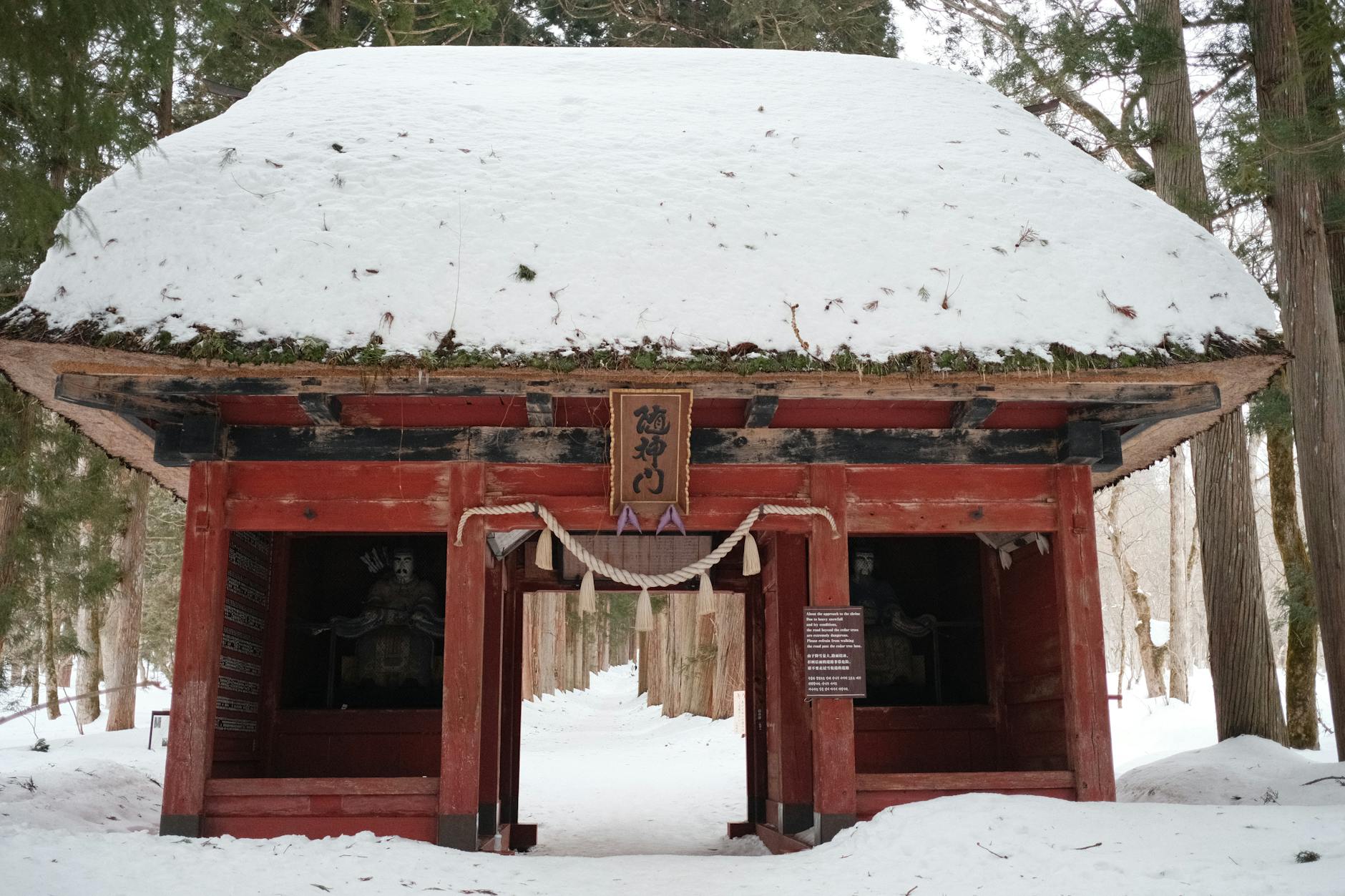
Hokkaido in winter is a different country from Hokkaido in summer. The landscapes that were green rolling hills in July become vast white plains under metres of snow. Cities that bustled with flower tourists go quiet except for the ski crowd. Temperatures drop to -10°C regularly, -20°C in the interior, and -30°C at Hokkaido’s coldest points. And yet this is when many people say the island is at its absolute best.
In This Article
- What to Do in Hokkaido in Winter
- Skiing and Snowboarding
- Sapporo Snow Festival
- Drift Ice at Abashiri
- Onsen in the Snow
- Dog Sledding
- Ice Fishing
- Snowshoeing and Cross-Country Skiing
- Winter Illuminations
- Winter Food
- What to Pack for Winter in Hokkaido
- The Essentials
- Don’t Overpack
- The Ice Grip Trick
- How Cold Is It Really?
- Getting Around in Winter
- Where to Stay in Winter
- Winter Itinerary Ideas
- 5-Day Winter Trip
- Snow Festival + Ski Combo (7 Days)
- Eastern Hokkaido Winter Adventure (5-7 Days)
- Is Winter the Right Time for You?
The snow is the main draw. Hokkaido gets some of the lightest, driest powder on the planet – a direct result of Siberian air masses crossing the Sea of Japan and dumping moisture on Hokkaido’s mountains. But winter here isn’t just about skiing. The Sapporo Snow Festival draws two million people. Drift ice crawls down the Sea of Okhotsk coast. Hot springs steam against snow-covered landscapes. And the food – crab season, hot pot, ramen that hits differently when it’s minus ten outside – reaches its peak.
Here’s everything you need to know about visiting Hokkaido between December and March.
What to Do in Hokkaido in Winter
Skiing and Snowboarding
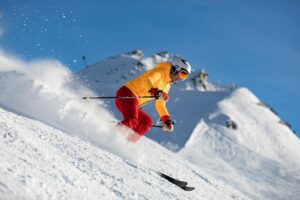
This is the big one. Hokkaido’s ski resorts receive 10-15 metres of annual snowfall with a consistency that makes European and North American resorts look unreliable. Niseko is the most famous, but Furano, Rusutsu, and Kiroro all get comparable snow with fewer people.
We’ve written a full comparison of every Hokkaido ski resort, but the short version: Niseko for the full package, Furano for value, Rusutsu for empty slopes, and Sapporo Teine if you don’t want to leave the city.
Book ski day trips from Sapporo: Klook ski tours | Viator Hokkaido activities
Sapporo Snow Festival
Early February. Enormous snow and ice sculptures fill Odori Park, ice sculptures line the streets of Susukino, and the whole city takes on a festival atmosphere. Over two million visitors come during the week. Book accommodation months in advance – this is the single most expensive week to be in Sapporo.
Full details in our Sapporo Snow Festival guide.
Drift Ice at Abashiri
Every winter, sea ice from the Sea of Okhotsk drifts south to the northeast coast of Hokkaido. By late January to early March, the ocean surface near Abashiri is covered in broken pack ice as far as you can see. Icebreaker tourist boats smash through the ice on 1-hour cruises – it’s dramatic and genuinely unique. You won’t see this anywhere else in Japan.
Book the Aurora icebreaker cruise on Klook (from ~$33)
Onsen in the Snow
Soaking in a steaming outdoor bath (rotenburo) while snow falls around you is one of those experiences that sounds like a tourism cliche until you actually do it. Then you understand. Noboribetsu, Jozankei, Lake Toya, and dozens of smaller onsen towns across Hokkaido offer this in winter.
Our Noboribetsu Onsen guide covers the best options. If tattoos are a concern, see our tattoo-friendly onsen list.
Dog Sledding
Several operators in central Hokkaido offer dog sled experiences through snowy forests. The Furano and Tokachi areas have the most options. Trips range from short 20-minute rides to half-day mushing experiences where you actually drive the sled team.
Search dog sledding on Klook for bookable options
Ice Fishing
Frozen lakes across Hokkaido become impromptu fishing villages in winter. You sit in a heated tent on the ice, drop a line through a hole, and catch wakasagi (pond smelt) that get deep-fried and eaten on the spot. It’s more social than sporting – most people spend more time drinking hot sake than actually catching fish.
Lake Shikotsu and Lake Akan are popular spots. Tours usually include equipment, bait, a heated tent, and the cooking of whatever you catch.
Snowshoeing and Cross-Country Skiing
For a quieter alternative to the downhill resorts, snowshoe hiking through Hokkaido’s forests is surprisingly accessible. Guided tours operate around Sapporo, Niseko, and the national parks. Cross-country skiing trails exist throughout the island – Sapporo itself has trails in Maruyama Park and around Moerenuma Park.
Winter Illuminations
Japanese cities do winter illuminations well, and Hokkaido is no exception:
- Sapporo White Illumination (November-December) – Odori Park lit up
- Hakodate Christmas Fantasy (December) – giant Christmas tree at the Bay Area
- Otaru Snow Light Path Festival (February) – candles and lanterns along the canal
- Lake Shikotsu Ice Festival (late January-February) – ice sculptures lit by coloured lights
- Sounkyo Ice Waterfall Festival – frozen waterfalls illuminated at night
Winter Food
Cold weather makes everything taste better, or at least that’s how it feels when you’re eating miso ramen at -8°C. Winter is crab season (king crab, snow crab, horsehair crab all peak in winter), nabe (hot pot) season, and arguably the best time for jingisukan since the cold air makes the grill smoke less bothersome. The Sapporo Autumn Fest may be over, but indoor food halls and izakayas are at their warmest and most welcoming.
See our complete food guide and best ramen in Sapporo.
What to Pack for Winter in Hokkaido
This isn’t a “maybe bring a jacket” situation. Hokkaido winter requires proper cold-weather gear. If you get this wrong, you’ll be miserable.
The Essentials
- Insulated waterproof outer jacket – not a fashion coat, an actual winter jacket. Down or synthetic insulated, windproof, waterproof. This is not optional.
- Thermal base layers – merino wool or synthetic. Uniqlo HEATTECH is available everywhere in Japan and works well.
- Waterproof boots with grip – this is the most important item. Sapporo’s sidewalks are packed ice. Regular shoes are dangerous. Get boots with proper winter soles or buy clip-on ice grips (available at convenience stores and shoe shops for ¥1,000-2,000).
- Warm hat, gloves, scarf – your extremities freeze first. Touchscreen-compatible gloves are useful for using your phone without exposing fingers.
- Multiple mid-layers – fleece, wool sweater, or down vest. Buildings are well-heated, so you’ll be constantly adding and removing layers. Dress for the transitions.
Don’t Overpack
You can buy excellent cold-weather gear in Japan. Uniqlo, Workman (a workwear chain that’s become a budget outdoor brand), and Don Quijote all sell thermal layers, gloves, and winter accessories at reasonable prices. If you’re arriving from a warm climate and don’t want to pack heavy winter clothes for the rest of your trip, buy locally and donate or discard before you leave.
The Ice Grip Trick
Locals in Sapporo attach clip-on ice grips to their shoes and boots. They’re rubber or metal contraptions that stretch over your sole and provide traction on ice. Available at:
- 7-Eleven and Lawson convenience stores (usually near the entrance)
- Shoe shops and department stores
- Don Quijote
They cost ¥1,000–2,000 and make a genuine difference to your safety on icy pavements. Worth every yen.
How Cold Is It Really?
| Location | December | January | February | March |
|---|---|---|---|---|
| Sapporo | -2°C to -6°C | -4°C to -8°C | -4°C to -10°C | -1°C to 4°C |
| Niseko | -4°C to -10°C | -6°C to -14°C | -6°C to -14°C | -2°C to -6°C |
| Asahikawa | -5°C to -12°C | -8°C to -20°C | -7°C to -18°C | -2°C to -8°C |
| Abashiri | -3°C to -10°C | -6°C to -15°C | -6°C to -16°C | -2°C to -6°C |
Asahikawa regularly competes for Japan’s coldest recorded temperature. The city once hit -41°C, though that was exceptional. -20°C is a normal January night there.
Sapporo is more moderate but still serious. The city gets about 5 metres of cumulative snowfall each winter. Streets are cleared regularly but sidewalks can be treacherous with packed ice.
Getting Around in Winter
Winter changes the transport equation significantly:
- Trains still run – JR Hokkaido operates through winter with occasional delays during blizzards. The Sapporo subway is underground and unaffected by weather.
- Buses can be delayed – highway buses to Niseko, Furano, and other destinations may run behind schedule during heavy snow. Build buffer time.
- Driving requires experience – if you’ve never driven on ice and snow, don’t start in Hokkaido. Rental cars come with winter tires but that doesn’t make you a winter driver. See our road trip guide for winter driving details.
- Walking is the hardest part – seriously. The biggest daily challenge isn’t trains or driving, it’s walking on icy sidewalks without falling. Wear grip boots and walk like a penguin (short steps, flat-footed).
- Sapporo’s underground walkway connects Sapporo Station to Susukino entirely underground. Heated, snow-free, and lined with shops. Use it.
For getting to ski resorts: JR Hokkaido Rail Pass on Klook covers trains to all major resort access points.
Where to Stay in Winter
Winter accommodation in Hokkaido works on a tiered pricing system:
- Snow Festival week (early Feb): 2-3x normal Sapporo prices. Book 4-6 months ahead.
- Peak ski season (late Dec – early Feb): Niseko prices are at their highest. Furano and Rusutsu are more reasonable.
- Early December and March: The sweet spot. Snow is already good (or still good), prices are 30-50% lower than peak, and crowds are thinner.
For specific picks, see our hotel guides for Sapporo, Niseko, and Hakodate.
Winter Itinerary Ideas
5-Day Winter Trip
Day 1-2: Sapporo. Ramen, soup curry, Nijo Market, Beer Museum, Susukino nightlife. Use the underground walkway.
Day 3: Day trip to Otaru (canal in the snow, sushi, glass shops) or Jozankei Onsen (hot springs in the snow).
Day 4: Ski day at Teine (40 min from Sapporo) or bus to Niseko/Rusutsu for skiing.
Day 5: Noboribetsu onsen day trip or return travel.
Snow Festival + Ski Combo (7 Days)
Day 1-3: Sapporo Snow Festival, city exploration, food tour.
Day 4-6: Transfer to Niseko or Furano for skiing.
Day 7: Return to Sapporo or fly from New Chitose.
Eastern Hokkaido Winter Adventure (5-7 Days)
Day 1-2: Sapporo
Day 3: Train to Kushiro. Tancho cranes at Kushiro Marshland.
Day 4: Lake Akan. Frost flowers, Ainu culture at Ainu Kotan.
Day 5: Drive to Abashiri. Drift ice icebreaker cruise.
Day 6: Abashiri Prison Museum, Okhotsk drift ice museum.
Day 7: Return via Asahikawa (zoo, ramen) to Sapporo.
Is Winter the Right Time for You?
Come in winter if: You ski or snowboard, you love onsen, you want to see the Snow Festival, you handle cold well, or you want to experience a side of Japan that most visitors never see.
Maybe skip winter if: You hate cold weather (genuinely – this isn’t mild cold), you want to hike or cycle, you’re on a tight budget (ski areas are expensive), or you have mobility issues that make walking on ice dangerous.
For the full month-by-month breakdown including shoulder seasons, check our Best Time to Visit Hokkaido guide.