Visitors planning their first Japan trip often ask whether to include Hokkaido or stick to the “golden route” of Tokyo-Kyoto-Osaka. The honest answer depends on what you want from the trip, because Hokkaido and mainland Japan offer fundamentally different experiences. They share a country, a currency, and a train system, but the similarities can feel surface-level when you are actually there.
In This Article
Here is how they differ and how to decide.
The Key Differences
| Hokkaido | Mainland (Honshu) | |
|---|---|---|
| Climate | Subarctic winters, cool summers | Mild winters, hot humid summers |
| Landscape | Mountains, farmland, coastline, wild | Dense cities, temples, traditional villages |
| Food focus | Seafood, dairy, ramen, BBQ lamb | Sushi, kaiseki, street food, regional specialties |
| Pace | Slow, spacious, spread out | Fast, dense, compact |
| Transport | Car often essential | Trains everywhere |
| Tourism level | Moderate (crowded only in Niseko) | Heavy (Kyoto, Tokyo constantly busy) |
| Cultural sites | Few temples/shrines, Ainu heritage | Thousands of temples, shrines, castles |
| Nature | UNESCO wilderness, national parks | Gardens, forests, volcanoes (more developed) |
Food
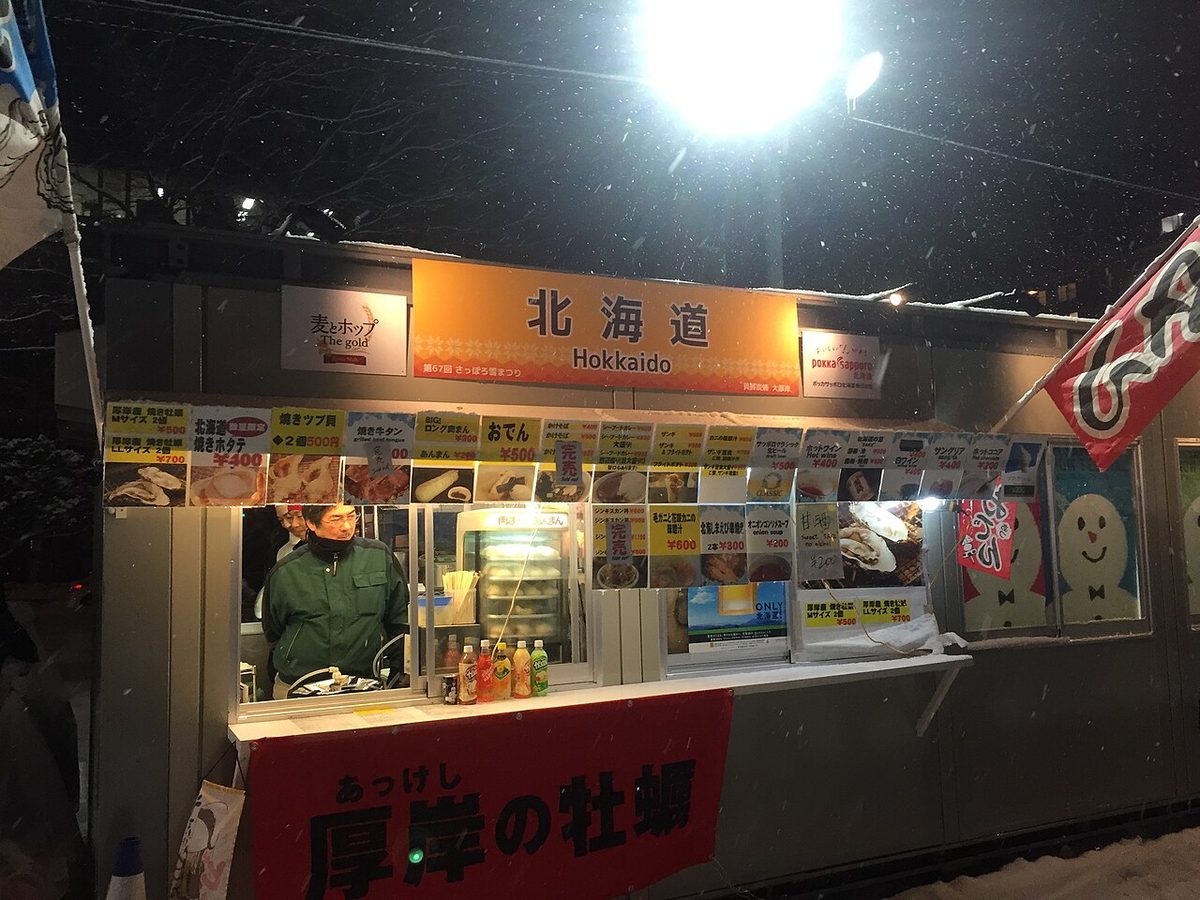
This is where the difference hits hardest. Mainland Japan has incredible food — nobody disputes that — but Hokkaido food is a different category entirely. The cold waters produce seafood that the rest of Japan pays premium prices for. The dairy is the best in the country. The lamb (jingisukan) is unique to the island. And the ramen has three distinct regional styles that argue among themselves about which is best.
On the mainland, food excellence comes from refinement — centuries of technique applied to ingredients. In Hokkaido, it comes from the ingredients themselves — the freshness, the cold-water quality, the agricultural richness. Both approaches produce remarkable results, but they feel different.
See our Hokkaido food guide for the full picture.
Climate
If you are visiting in summer (July-August), Hokkaido’s 20-26 degrees with low humidity makes the rest of Japan’s 35+ degrees and sweat-drenched shirts feel punishing by comparison. Hokkaido summer is genuinely comfortable in a way that Honshu summer is not.
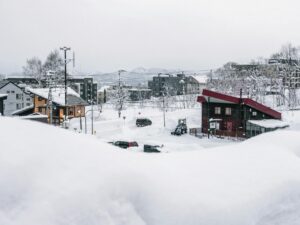
In winter, the equation reverses. Mainland Japan (excluding the Japan Sea coast) has mild winters with occasional cold snaps. Hokkaido has proper winter: -5 to -15 degrees, metres of snow, and ice on every surface. This is either the point (skiing, snow festivals, winter onsen) or the deterrent.
See our best time to visit for month-by-month detail.
Transport
Mainland Japan has perhaps the best public transport system in the world. Shinkansen between major cities, local trains everywhere, buses to fill gaps. You can travel for weeks without ever needing a car.
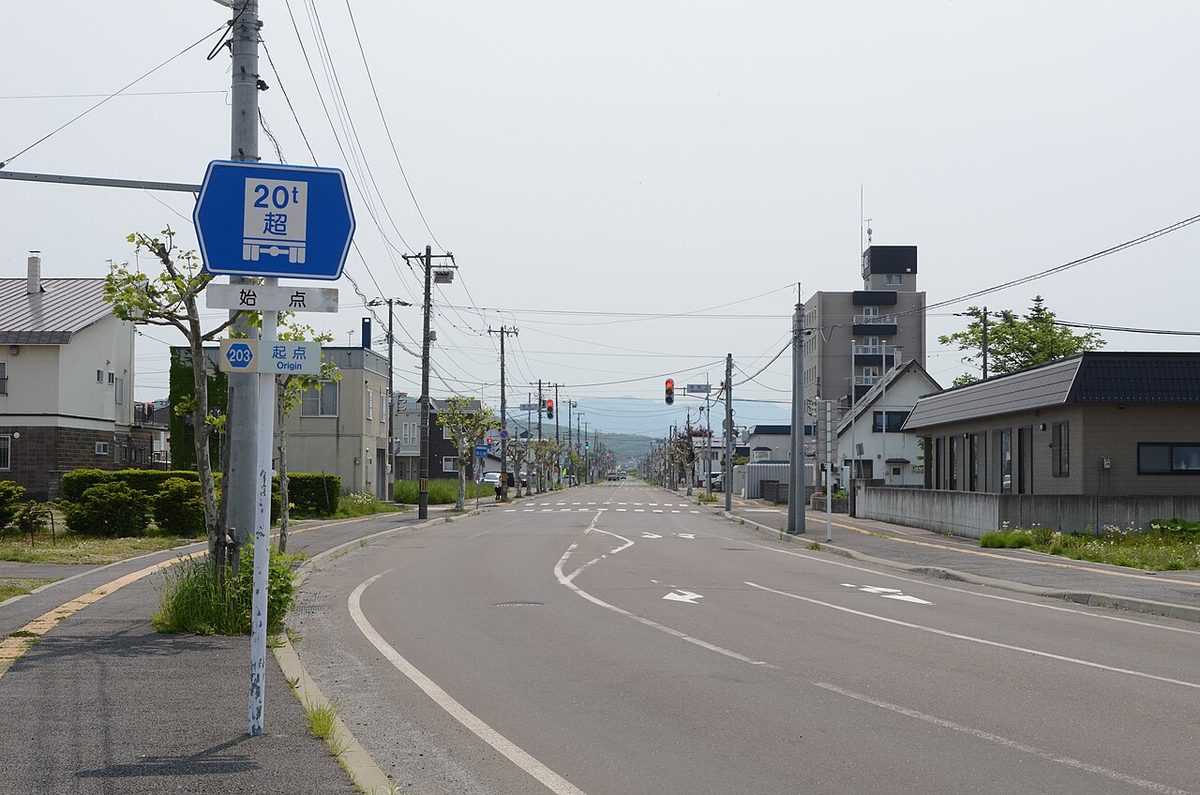
Hokkaido has trains between major cities, but the distances are larger and services less frequent. Eastern Hokkaido and the rural interior essentially require a car. This changes the trip dynamic: Hokkaido rewards road trips in a way that mainland Japan does not need.
See our road trip guide and JR Pass calculator.
Culture and History
If temples, shrines, geisha districts, and samurai history are what draw you to Japan, Hokkaido will disappoint. The island was not significantly settled by Japanese until the Meiji era (1868 onwards), so it lacks the centuries of cultural architecture that define Kyoto, Nara, and Kanazawa.
What Hokkaido has instead is Ainu heritage — the indigenous people whose culture predates Japanese settlement by thousands of years. The Upopoy National Ainu Museum near Shiraoi and the Ainu villages at Lake Akan provide access to this culture, which is unlike anything on the mainland.
Hokkaido also has a pioneer-era history that feels more North American than Japanese — frontier towns, agricultural development, and the kind of wide-open landscape that the rest of Japan simply does not have.
Nature
Both have impressive natural scenery, but the character differs. Mainland nature tends toward the manicured: carefully tended gardens, forested temple grounds, scenic hot spring valleys. Hokkaido nature is wilder: brown bears in rivers, volcanic craters, drift ice on the ocean, and forests that have never been commercially logged.
Shiretoko (UNESCO World Heritage) in eastern Hokkaido is one of the least-developed stretches of coastline in the developed world. Nothing on Honshu compares in terms of genuine wilderness. See our eastern Hokkaido guide.
When to Choose Hokkaido
- You love food and want to eat at the source rather than in restaurants
- You have been to Japan before and want something different
- You prefer nature over cultural sightseeing
- You ski or snowboard (the powder is world-class)
- You are visiting in summer and want to escape the mainland heat
- You like road trips and the freedom of driving
- You want fewer tourists (outside of Niseko and Snow Festival)
When to Choose Mainland First
- First trip to Japan and you want the classic experience (Tokyo, Kyoto, Osaka)
- You are interested in temples, shrines, and traditional culture
- You do not drive and prefer public transport everywhere
- You have less than 7 days (Hokkaido needs time to do properly)
- Cherry blossom season (the mainland has better sakura viewing; Hokkaido blooms a month later)
Can You Do Both?
Yes, if you have 10+ days. The most common approach:
- 5-7 days mainland (Tokyo, Kyoto, Osaka) + 3-5 days Hokkaido (Sapporo, Otaru, one day trip)
- Fly between them: domestic flights from Tokyo to Sapporo take 1 hour 45 minutes and cost 5,000-15,000 yen on budget carriers
- Or take the Hokkaido Shinkansen: Tokyo to Hakodate in 4 hours, then continue north to Sapporo by JR
Start your Hokkaido planning with our first time guide.