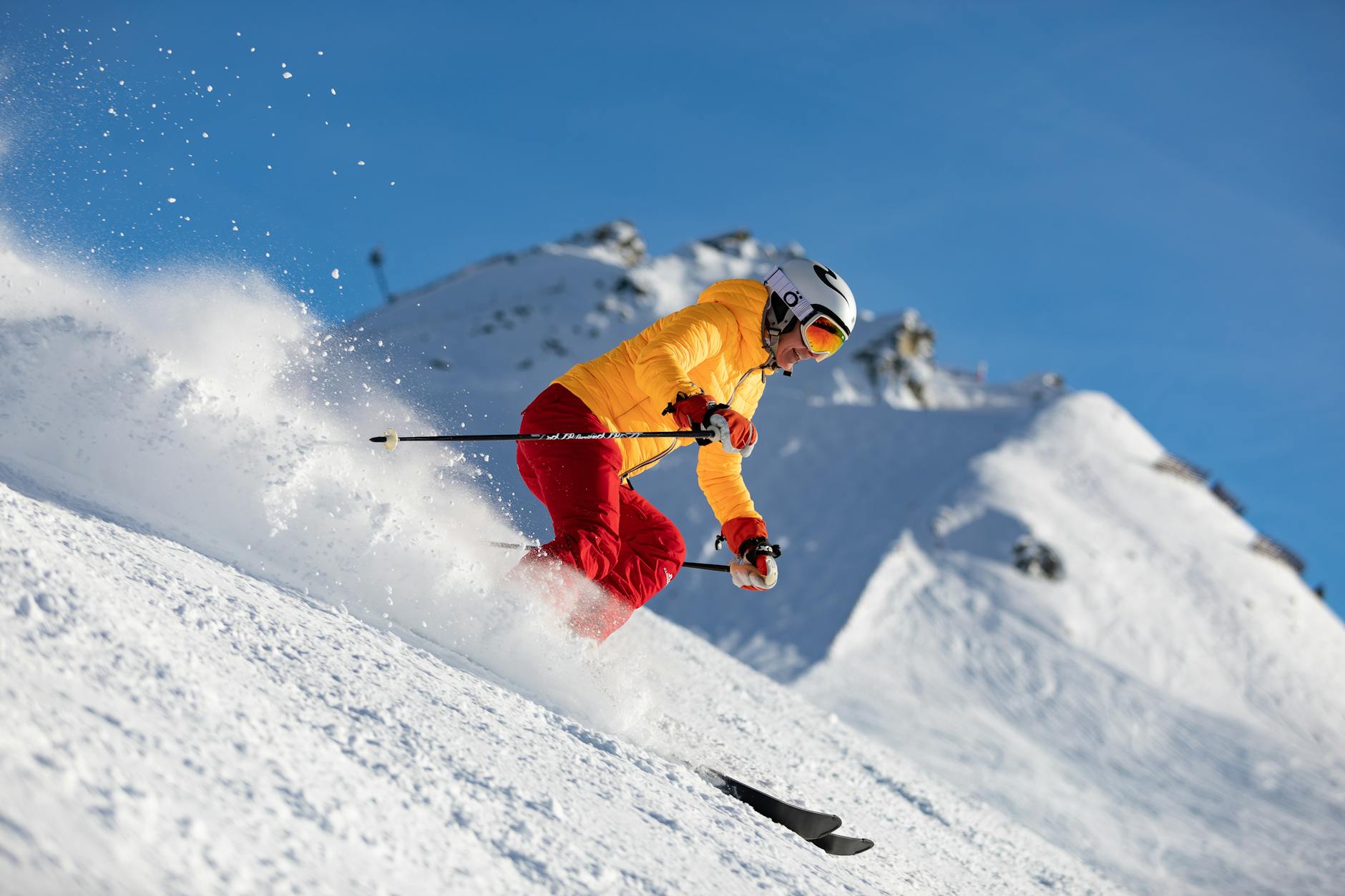
Hokkaido gets some of the driest, lightest powder snow on the planet. That’s not marketing — the combination of cold Siberian air masses crossing the Sea of Japan and dumping moisture on Hokkaido’s mountains creates a snow consistency that skiers and snowboarders travel thousands of kilometres for. Average annual snowfall at the major resorts runs between 10 and 15 metres.
In This Article
- Quick Comparison
- Niseko United
- The Good
- The Bad
- Numbers
- Furano
- The Good
- The Bad
- Numbers
- Rusutsu
- The Good
- The Bad
- Numbers
- Tomamu (Hoshino Resort)
- The Good
- The Bad
- Numbers
- Kiroro
- The Good
- The Bad
- Numbers
- Sapporo Teine
- The Good
- The Bad
- Numbers
- Asahidake — For the Adventurous
- Who Should Go
- Numbers
- So Which One?
But “go skiing in Hokkaido” isn’t a plan. The island has over a dozen ski resorts, each with different terrain, atmosphere, prices, and crowd levels. Here’s an honest breakdown of the main ones so you can pick the right fit.
Quick Comparison
| Resort | Best For | Snow | Terrain | Crowds | Cost |
|---|---|---|---|---|---|
| Niseko United | All-rounders, nightlife | Excellent | All levels | Busy | $$$ |
| Furano | Families, mixed abilities | Excellent | Intermediate focus | Moderate | $$ |
| Rusutsu | Fewer crowds, tree skiing | Excellent | Intermediate-advanced | Low | $$ |
| Tomamu | Families, luxury | Good | All levels | Moderate | $$$ |
| Kiroro | Deep powder, quiet | Outstanding | Intermediate-advanced | Low | $$ |
| Sapporo Teine | Day trips, convenience | Good | All levels | Moderate | $ |
| Asahidake | Backcountry, experts | Outstanding | Advanced-expert | Very low | $ |
Niseko United
The name everyone knows. Four interconnected resorts (Grand Hirafu, Niseko Village, Annupuri, Hanazono) sharing one mountain with a combined 887 hectares of skiable terrain. An All Mountain Pass covers everything, and on-mountain lifts connect the areas so you can ski all four in a day.
The Good
The snow really is that good. Niseko averages about 15 metres annually, and the powder days are frequent enough that you don’t need to time your trip perfectly. The terrain covers everything from gentle groomers at Annupuri to serious steeps and tree runs at Hanazono and upper Hirafu. Off-piste access is more permissive than most Japanese resorts thanks to gate-controlled backcountry access points.
Hirafu has legitimate nightlife — bars, restaurants, and a social scene that’s unusual for a Japanese ski resort. English is widely spoken. You won’t struggle with language here.
The Bad
Niseko is expensive. Accommodation during peak season can cost more than European alpine resorts. Lift ticket prices have climbed steadily and are now among the highest in Japan. The Hirafu gondola queue on a powder morning can hit 30–45 minutes. The resort feels increasingly international and less distinctly Japanese than it used to — some people love that, others find it disappointing.
Numbers
- Lift pass: Around ¥7,500–¥8,500/day (All Mountain)
- Season: Late November to early May
- Vertical: 1,308m top elevation, 890m vertical drop
- From Sapporo: 2–2.5 hours by car or bus
For accommodation, see our complete Niseko hotel guide.
Furano
Furano gets snow that’s comparable to Niseko — some locals argue it’s actually drier and lighter — but with a fraction of the crowds and prices. The resort is split into two zones (Furano and Kitanomine) connected by lifts, with terrain that suits intermediate skiers particularly well. Long, wide groomers through birch forest are the signature runs.
The Good
Genuinely good value. Lift passes are cheaper than Niseko, accommodation is significantly cheaper, and the skiing is excellent. The town of Furano has a relaxed, local Japanese feel that Niseko has largely lost. The New Furano Prince Hotel sits right at the base with ski-in/ski-out access and is surprisingly affordable. Ningle Terrace (a cute craft village in the forest) and Furano Cheese Factory are nearby non-ski activities.
The Bad
Furano’s off-piste access is more restricted than Niseko — sidecountry and tree skiing exists but isn’t formally managed with gates. The resort is smaller overall, so advanced skiers might feel limited after a few days. Nightlife is essentially zero — a couple of izakayas and that’s it. Getting there from Sapporo takes longer than Niseko (about 2.5 hours).
Numbers
- Lift pass: Around ¥5,500–¥6,500/day
- Season: Late November to early May
- Vertical: 1,074m top, 596m vertical drop
- From Sapporo: 2–2.5 hours by car, or JR train with transfer
Rusutsu
The resort that Hokkaido regulars often name as their favourite. Three mountains (West, East, Isola) with 37 courses spread across well-maintained terrain. The tree skiing here is excellent and far less tracked out than Niseko because fewer people come. On a powder day, you can find untracked lines well into the afternoon.
The Good
Rusutsu gets Niseko-quality snow with maybe a quarter of the people. Lift queues are rarely more than a few minutes even on weekends. The tree skiing on Mt. Isola is some of the best accessible tree terrain in Hokkaido. The Rusutsu Resort Hotel is directly connected to the lifts and has a surprisingly good indoor amusement park (wave pool, carousel, games) that kids go nuts for.
The Bad
The village barely exists — it’s essentially just the resort hotel and a couple of nearby pensions. If you want nightlife, restaurants, or any kind of evening scene, Rusutsu isn’t it. The resort is self-contained in the best and worst senses. Getting there without a car is harder than Niseko (limited bus service).
Numbers
- Lift pass: Around ¥6,000–¥7,000/day
- Season: Late November to early April
- Vertical: 994m top, 594m vertical drop
- From Sapporo: 90 minutes by car, direct buses in ski season
Tomamu (Hoshino Resort)
A polished, resort-style destination run by Hoshino Resorts (the same company behind luxury ryokans across Japan). Two towers rise out of the forest with the ski area behind them. The unkai (sea of clouds) terrace is famous for its sunrise views above the cloud layer, though that’s mainly a summer attraction.
The Good
The resort facilities are excellent. The ice village in winter is genuinely impressive — an entire village made of ice with a bar, chapel, and hotel rooms. The Mina Mina heated outdoor pool lets you swim outside in -20°C surrounded by snow. For families, it’s hard to beat the combination of skiing, snow activities, and resort amenities. The snow quality is good, if not quite Niseko level.
The Bad
The ski area itself is mid-sized and won’t hold the attention of serious skiers for more than a couple of days. Prices are high — this is Hoshino Resorts, and you pay the premium. It’s fairly isolated (about 90 minutes from Sapporo by car), and the resort-bubble feeling means you don’t get much authentic Japanese small-town experience.
Numbers
- Lift pass: Around ¥6,500–¥7,500/day
- Season: December to late March
- Vertical: 1,239m top, 579m vertical drop
- From Sapporo: 90 minutes by car, JR Tomamu Station (limited express from Sapporo)
Kiroro
One of the snowiest resorts in Hokkaido, which is saying something. Kiroro sits in a valley that funnels moisture off the Sea of Japan, resulting in enormous snowfall totals — some years over 20 metres. The resort is mid-sized with terrain that favours intermediate and advanced skiers. Two resort hotels (Tribute Portfolio and Sheraton) sit at the base.
The Good
The sheer volume of snow means powder days are more frequent here than almost anywhere else in Hokkaido. On days when Niseko is getting rain at the base (it happens), Kiroro is dumping. The resort is close to Otaru (30 minutes by car), making it easy to combine skiing with canal-town sightseeing. Crowds are noticeably lighter than Niseko.
The Bad
The massive snowfall is a double-edged sword — visibility can be poor for days at a time during heavy dumps. The village is basically just the two hotels. Getting there without a car requires a shuttle bus from Otaru or Sapporo. The resort can feel limited for expert skiers looking for steep terrain.
Numbers
- Lift pass: Around ¥5,500–¥6,500/day
- Season: December to early May
- From Sapporo: 60–70 minutes by car, shuttle buses available
Sapporo Teine
The city resort. Located on Mt. Teine, just 40 minutes from central Sapporo, this is where the 1972 Winter Olympics alpine events were held. Two zones: Highland (upper, steeper, better snow) and Olympia (lower, gentler, family-friendly). The combination of genuine mountain skiing and city convenience is its main selling point.
The Good
You can sleep in Sapporo, ski all day, and be eating ramen in Susukino by evening. No resort accommodation needed. The Highland zone has surprisingly challenging terrain for a city resort, including the old Olympic downhill course. Prices are much cheaper than the destination resorts.
The Bad
Snow quality is a step below the inland resorts — the coastal location means slightly warmer and wetter snowfall. The resort is small and serious skiers will cover it in a day. Weekends can get busy with local Sapporo skiers.
Numbers
- Lift pass: Around ¥4,500–¥5,500/day
- Season: December to late March
- From Sapporo: 40 minutes by car, shuttle bus from Teine JR Station
Asahidake — For the Adventurous
Not a ski resort in the traditional sense. Asahidake is Hokkaido’s highest peak (2,291m) with a single ropeway and no groomed runs. What it has is some of the best backcountry and off-piste skiing in Japan. The snow up here is colder and drier than at the lower resorts, and the alpine terrain is genuinely wild. This is real mountain skiing, not resort skiing.
Who Should Go
Experienced skiers and splitboarders who are comfortable in uncontrolled terrain, can navigate avalanche risk, and don’t need groomed pistes. If that’s you, Asahidake is unforgettable. If it’s not you, go to Furano or Rusutsu instead.
Numbers
- Ropeway: Around ¥3,200/day
- Season: November to May (one of the longest in Japan)
- From Asahikawa: 60 minutes by bus
- From Sapporo: 3+ hours (go via Asahikawa)
So Which One?
First time skiing in Hokkaido and want the full experience? Niseko. It’s the most complete package even if it’s the most expensive.
Want great skiing without the Niseko price tag? Furano or Rusutsu. Both deliver on snow quality at significantly lower cost.
Family with kids who may or may not want to ski all day? Tomamu (best non-ski activities) or Furano (most affordable).
Hate crowds and want powder to yourself? Rusutsu or Kiroro. Both get overlooked by the international crowd.
Don’t want to leave Sapporo? Teine. Legitimate skiing 40 minutes from downtown.
Expert looking for real mountain terrain? Asahidake. Nothing else in Hokkaido compares for backcountry.
Need help picking accommodation near the slopes? Check our Niseko hotel guide or plan the drive with our Hokkaido road trip guide. For broader trip planning, see when to visit Hokkaido — ski season runs roughly December through April.