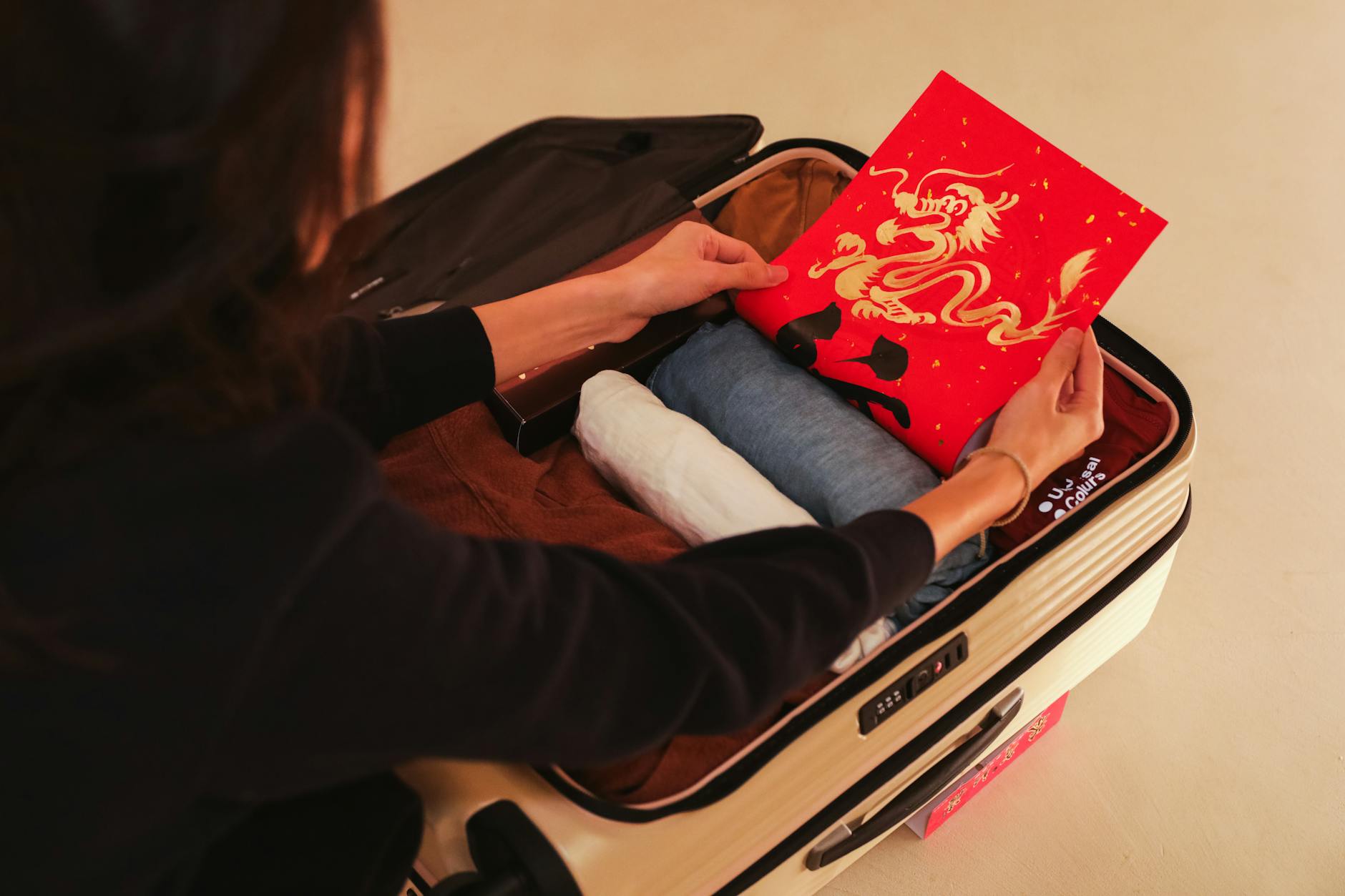
Packing for Hokkaido depends almost entirely on when you’re going. A January trip requires serious cold-weather gear that you’d never touch in July. A summer visit needs rain protection but barely any warm clothing. And the shoulder seasons (April–May, October–November) demand a layering strategy because temperatures can swing 15°C in a single day.
In This Article
- Winter (December–March): The Serious Stuff
- Essential Winter Items
- The Ice Grip Trick
- What You Can Buy in Japan Instead of Packing
- Summer (June–August): Light and Easy
- Summer Essentials
- What You Don’t Need in Summer
- Spring/Autumn (April–May, September–November): The Layering Challenge
- Shoulder Season Strategy
- Year-Round Items
- What NOT to Overpack
Here’s what to actually bring, what you can skip, and what’s cheaper to buy in Japan than at home.
Winter (December–March): The Serious Stuff
This isn’t optional. Sapporo averages -4°C to -10°C in January, and you’ll be spending hours outside walking between attractions, standing at bus stops, and crossing icy car parks. Getting the gear wrong means being miserable.
Essential Winter Items
- Insulated waterproof jacket — not a wool coat, not a fashion parka. A proper winter shell with insulation and waterproofing. Down or synthetic, windproof, with a hood. This is the single most important item.
- Thermal base layers — merino wool or synthetic (Uniqlo HEATTECH works well and you can buy it in Sapporo). Wear under everything.
- Waterproof boots with grip — this matters more than you think. Sapporo sidewalks are packed ice from December to March. Regular shoes are genuinely dangerous. Get winter boots with proper rubber soles, or buy clip-on ice grips when you arrive (see below).
- Warm hat — you lose significant heat through your head. A proper winter hat, not a fashion beanie.
- Insulated gloves — touchscreen-compatible ones exist and are worth the extra cost. You’ll want to use your phone for maps and photos without exposing your fingers to -10°C air.
- Scarf or neck gaiter — covers the gap between jacket and hat where cold air sneaks in.
- Mid-layers — fleece, down vest, or wool sweater. You’ll add and remove these constantly as you move between freezing streets and heated buildings.
The Ice Grip Trick
Sapporo locals use clip-on ice grips — rubber or metal attachments that stretch over your shoe sole and provide traction on ice. They cost ¥1,000–2,000 and are available at:
- 7-Eleven and Lawson convenience stores (usually near the entrance during winter)
- Shoe shops and department stores
- Don Quijote
These make a measurable difference to your safety on icy pavements. Get them on arrival if your boots don’t have winter soles.
What You Can Buy in Japan Instead of Packing
If you’re coming from somewhere warm and don’t want to lug heavy winter gear through the rest of your trip:
- Uniqlo HEATTECH — thermal base layers, available at any Uniqlo in Sapporo. ¥990–1,990 per piece. Works well.
- Workman — a Japanese workwear chain that’s become a budget outdoor brand. Insulated jackets, thermal gear, and waterproof items at roughly half the price of outdoor brands. Multiple locations in Sapporo.
- Don Quijote — discount store with basic gloves, hats, scarves, and hand warmers (kairo). Not high quality but cheap and functional.
- Hand warmers (kairo) — disposable heat packs, ¥30–50 each. Available everywhere. Stick them in your pockets or inside your boots. Locals use them constantly.
Summer (June–August): Light and Easy
Hokkaido summer is the easy one. Temperatures of 18–26°C with low humidity. You can get by with less gear than you’d pack for a similar trip almost anywhere else.
Summer Essentials
- T-shirts and light long-sleeve shirts — evenings can cool off, so a long sleeve is useful
- Light rain jacket — August is the wettest month. A packable rain shell is worth having.
- Comfortable walking shoes — you’ll walk a lot. Broken-in trainers or trail shoes.
- Sun protection — hat, sunscreen, sunglasses. Hokkaido’s latitude means long daylight hours and strong sun.
- Insect repellent — if you’re hiking, camping, or visiting rural areas. Mosquitoes are active near water.
- Light sweater or hoodie — for air-conditioned buildings and cooler evenings.
What You Don’t Need in Summer
Heavy jackets, thermal layers, or serious rain gear. Hokkaido summer is mild enough that a light layer handles everything. The contrast with Tokyo’s suffocating summer heat is dramatic.
Spring/Autumn (April–May, September–November): The Layering Challenge
Shoulder seasons mean unpredictable temperatures. A sunny April day might hit 15°C; the same evening drops to 2°C. October can deliver warm afternoons and freezing mornings in the same 24-hour period.
Shoulder Season Strategy
- Layering system: base layer + mid-layer + outer shell. Add and remove as conditions change.
- Medium-weight jacket — not a full winter coat but more than a windbreaker
- Long trousers — shorts are optimistic except in September
- Scarf — versatile for temperature swings
- November: you’re essentially packing for winter by the second half of the month
Year-Round Items
- Power adapter — Japan uses Type A plugs (flat two-pin, same as North America). Most phone chargers are multi-voltage and just need a plug adapter. Check your charger’s label — if it says 100–240V, you’re fine.
- Pocket WiFi or SIM/eSIM — available at New Chitose Airport. Essential for Google Maps navigation, translation apps, and looking up restaurant info. Don’t rely on free WiFi alone.
- Small towel — onsen provide towels but they’re small. Bring your own if you’re particular. Also useful for public baths where towels may cost extra.
- Cash — carry ¥10,000–20,000 minimum. Many restaurants, market stalls, and smaller onsen are cash-only.
- Reusable bag — Japan charges for plastic bags at all shops (¥3–5). Bring a foldable bag.
- Day pack — a small backpack for day trips carrying water, snacks, and layers.
What NOT to Overpack
- Too many clothes. Japan has coin laundry (100–200 yen per load) at most hotels and in every neighbourhood. Pack for 3–4 days and wash.
- Toiletries. Japanese convenience stores and drugstores sell everything at reasonable prices. Travel-size items are widely available.
- Books. Your phone handles everything.
- Formal clothes. Unless you’re doing business. Even nice restaurants in Hokkaido are casual by international standards.
For more trip planning, see our First Time in Hokkaido guide, best time to visit, or budget guide.