Hokkaido’s food markets are where the island’s agricultural and fishing output meets the public. Unlike the department store food halls (depachika) in Tokyo and Osaka, Hokkaido’s markets still function as actual working markets where local fishermen and farmers sell directly. The tourist infrastructure has grown around them, but the core activity — fresh seafood moving from boat to counter to plate — remains genuine.
In This Article
Here’s where to find the best ones and how to eat your way through them without overpaying.
Hakodate Morning Market (Hakodate Asaichi)
The most famous market in Hokkaido and probably the best seafood market experience in Japan outside of Tokyo’s Toyosu. Located directly next to Hakodate Station — you can literally roll out of bed at a station-area hotel and be eating fresh uni within five minutes.
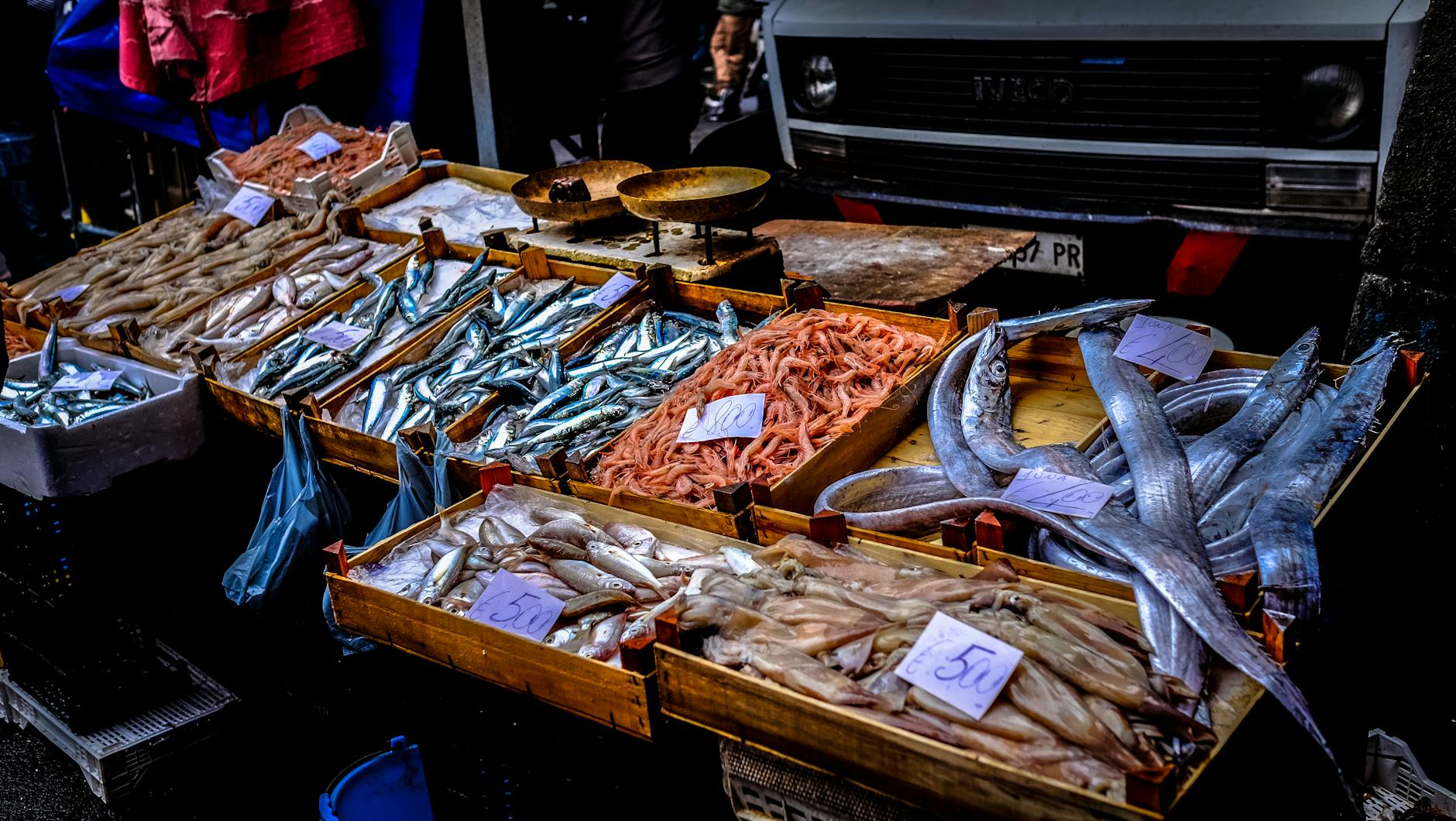
The market covers a large area with roughly 250 stalls selling seafood, produce, dried goods, and prepared food. The atmosphere is commercial rather than cute — stallholders call out prices, crabs wave their claws from display tanks, and the floor is wet from melting ice. This isn’t Instagram-designed; it’s a working market that tourists happen to enjoy.
What to Eat
- Kaisendon (seafood rice bowl) — the signature market dish. Fresh fish and shellfish arranged over rice. Prices range from ¥1,500 for a basic bowl to ¥4,000+ for one loaded with uni, ikura, and crab. The mid-range options (¥2,000–2,500) are usually the best value.
- Ikka-yaki (grilled squid) — whole squid grilled over charcoal at the outdoor stalls. Costs about ¥500 and is eaten standing up. Simple, excellent.
- Live squid (ika odori) — squid served so fresh that soy sauce makes it “dance” on the plate. A Hakodate specialty that’s morbidly fascinating and genuinely delicious. About ¥1,800–2,500.
- Crab — hairy crab (kegani) is the Hakodate specialty. You can buy whole crabs, have them prepared on the spot, or eat crab dishes at the market restaurants. Prices vary wildly by size and season; expect ¥3,000–8,000 for a decent-sized kegani.
- Yubari melon — in season (May–August), sliced melon at the fruit stalls. Expensive (¥500–1,000 per slice) but the sweetness is remarkable.
Tips
- Hours: 5:00–14:00, though many stalls start closing by noon. Go before 09:00 for the full experience.
- Pricing: Some stalls inflate prices for tourists. Compare a few stalls before buying, especially for prepared kaisendon. The restaurants inside Donburi Yokocho (a covered alley of kaisendon shops) are competitive with each other and generally fair.
- Shipping: Most stalls will pack and ship seafood to your hotel or to the airport for pickup. Ask about shipping costs before buying large quantities.
For Hakodate accommodation, see our Hakodate hotel guide — staying near the station puts you right next to the market.
Nijo Market (Sapporo)
Sapporo’s equivalent of the Hakodate Morning Market, though smaller and more central. Located near Odori, about a 10-minute walk from Sapporo Station. The market has been operating since 1903 and covers a few blocks of covered stalls.
It’s more tourist-oriented than it once was, but still a legitimate market with good product. The crab stalls at the entrance are the most aggressive sellers — don’t feel pressured to buy from the first person who addresses you.
What to Eat
- Kaisendon — same concept as Hakodate but with Sapporo pricing. ¥2,000–3,500 for a decent bowl.
- Grilled scallops — Hokkaido scallops are enormous by international standards. Grilled with butter and soy sauce at the outdoor stalls for about ¥400–500 each.
- Crab — king crab (taraba) legs are the popular tourist purchase. Eaten at market stalls or bought to take away.
- Melon and corn — in summer, fresh Hokkaido produce at the fruit stalls.
Tips
- Hours: 7:00–18:00 (restaurants open later)
- Compare with Tanukikoji: The covered shopping arcade Tanukikoji is nearby and has additional food options if Nijo is too crowded.
- Alternative: For a less touristy seafood experience in Sapporo, the Curb Market (Jogai Shijo) near Sapporo Station operates primarily for the restaurant trade but is open to the public.
For Sapporo accommodation, see our Sapporo hotel guide.
Washo Market (Kushiro)
The lesser-known market that arguably offers the best eating experience of the three. Located in eastern Hokkaido’s port city of Kushiro, Washo Market is famous for “katte-don” — a build-your-own seafood bowl concept that’s both fun and great value.
How Katte-Don Works
- Buy a bowl of rice at one of the designated rice stalls (¥250–300)
- Walk around the market with your rice bowl
- Point at whatever fish, shellfish, or seafood catches your eye at different stalls
- The stallholders place your chosen items on top of your rice
- Each topping costs ¥100–500 depending on the item
- Find a seat and eat your custom creation
A solid katte-don with four or five toppings runs about ¥1,500–2,000. The fun of choosing your own combination and watching it assembled stall by stall makes the experience memorable beyond just the food.
Why Visit Kushiro
Kushiro is off the standard tourist circuit (most visitors stick to Sapporo/Hakodate/Niseko), which means the market is less crowded and prices are lower. The city is also the gateway to Kushiro Marsh (Japan’s largest wetland) and the Akan area with its stunning crater lakes. If you’re doing eastern Hokkaido — and you should — Washo Market is a highlight.
Festival and Night Market Food
Hokkaido’s festivals feature food stalls that go well beyond the standard Japanese festival fare (yakisoba, takoyaki, kakigori). Local specialties show up in street food form:
- Sapporo Snow Festival (February): Outdoor food stalls along Odori Park serving hot dishes — soup curry, crab soup, jingisukan (grilled lamb), and hot sake. Eating outdoors at -8°C is part of the experience. See our Snow Festival guide.
- Sapporo Autumn Fest (September–October): The biggest food festival in Hokkaido, with over 100 food stalls across Odori Park serving dishes from every region of the island. Runs for about a month.
- Susukino Festival (various): Sapporo’s entertainment district hosts periodic food events with ramen, yakitori, and beer stalls lining the streets.
Tips for Market Eating
- Go early. All markets are best before 09:00. By 10:00 the tour groups arrive, by noon the best stalls are selling out.
- Bring cash. Most market stalls are cash-only. Some restaurants inside the markets accept cards but don’t count on it.
- Don’t eat before going. Arrive hungry. You’ll want to try multiple things.
- Ask about shipping. If you want to take seafood home or to your hotel, ask about refrigerated shipping options. Most stalls at Hakodate and Nijo markets offer next-day delivery within Japan.
- Seasonal awareness: Different seafood is at its best in different months. Uni is best in summer, crab in winter, salmon in autumn. The markets sell everything year-round but freshness and price vary.
For more on what to eat, see our complete Hokkaido food guide covering 20 dishes, or the specific guides to Sapporo ramen and soup curry.