Hokkaido isn’t just a travel destination — it’s an eating destination. The island produces a staggering proportion of Japan’s food: nearly all of the country’s dairy, a huge share of its seafood, and some of its best agricultural products. The cold climate, clean water, and volcanic soil create ingredients that chefs across Japan covet.
In This Article
- 1. Miso Ramen
- 2. Soup Curry
- 3. Jingisukan (Genghis Khan BBQ)
- 4. Kaisen-don (Seafood Rice Bowl)
- 5. Hokkaido Crab
- 6. Uni (Sea Urchin)
- 7. Ikura (Salmon Roe)
- 8. Sapporo Beer
- 9. Hokkaido Dairy and Soft Serve
- 10. LeTAO Double Fromage Cheesecake
- 11. Ishikari Nabe (Salmon Hot Pot)
- 12. Zangi (Hokkaido Fried Chicken)
- 13. Yubari Melon
- 14. Asahikawa Ramen
- 15. Hakodate Shio Ramen
- 16. Otaru Sushi
- 17. Tokachi Butadon (Pork Rice Bowl)
- 18. Hokkaido Cheese
- 19. Seicomart Convenience Store Food
- 20. Nikka Whisky
- Hokkaido’s Three Ramen Capitals
- Seasonal Food Calendar
- Eating on a Budget in Hokkaido
The result? A food culture built around abundance and quality rather than elaborate technique. The best meals in Hokkaido are often the simplest — a bowl of ramen, a plate of grilled lamb, a piece of fish so fresh it barely needs seasoning.
Here are the 20 dishes you need to eat.
1. Miso Ramen
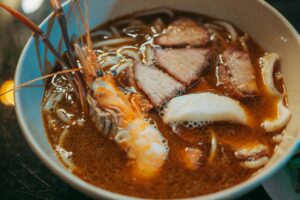
Sapporo is the birthplace of miso ramen, and it remains the city’s most iconic dish. The broth is rich, savoury, and deeply satisfying — a thick miso base often enriched with pork bone, topped with ground pork, bean sprouts, corn, and a knob of butter. The noodles are medium-thick and curly, designed to hold the heavy broth.
The original miso ramen is credited to Aji no Sanpei in Sapporo, which still operates today. But the most atmospheric place to try it is Ramen Yokocho (Ramen Alley) in Susukino — a narrow lane of tiny ramen shops that’s been serving bowls since the 1950s.
Where to try it: Ramen Yokocho (Susukino), Ramen Republic (Sapporo Station), Sumire, Aji no Sanpei
2. Soup Curry
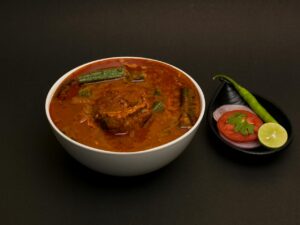
Soup curry is a Sapporo invention that you won’t find much of elsewhere in Japan. It’s fundamentally different from Japanese curry rice — the “curry” here is a thin, aromatic, spice-forward broth (more like a soup than a sauce), served with large chunks of chicken, vegetables, and rice on the side that you dip into the soup.
The flavours are complex: layers of cumin, coriander, cardamom, and chilli create something that’s warming without being heavy. It’s the dish that Sapporo locals are most passionate about — everyone has a favourite shop and strong opinions about spice level.
Where to try it: Suage (multiple locations), Garaku, Picante, Magic Spice, Curry Shop S
3. Jingisukan (Genghis Khan BBQ)
Named after the Mongolian emperor (though it has nothing to do with Mongolia), jingisukan is grilled lamb or mutton cooked on a distinctive dome-shaped grill. The meat is either pre-marinated or dipped in a tangy sauce after grilling. It’s always accompanied by grilled vegetables — onions, peppers, pumpkin, and bean sprouts cook in the juices that run down the dome.
Jingisukan is a social dish. Groups gather around the grill, cooking and eating together, usually with plenty of beer. The Sapporo Beer Garden is the classic venue — all-you-can-eat lamb and all-you-can-drink Sapporo beer in a massive beer hall. But smaller, local jingisukan shops often have better quality meat.
Where to try it: Sapporo Beer Garden (classic experience), Daruma (Susukino — legendary), Matsuo Jingisukan, Fuji Jingisukan
4. Kaisen-don (Seafood Rice Bowl)
A bowl of rice piled high with the freshest sashimi available — uni (sea urchin), ikura (salmon roe), crab, scallop, shrimp, salmon, tuna, and whatever else is in season. Hokkaido’s kaisen-don is a level above what you’ll find in most of Japan because the seafood is genuinely local and often hours from the ocean.
The morning markets are the best places for this. Hakodate’s Asaichi (morning market) and Sapporo’s Nijo Market both have rows of stalls where you choose your toppings and they assemble the bowl in front of you.
Where to try it: Hakodate Morning Market, Nijo Market (Sapporo), Otaru Sankaku Market
5. Hokkaido Crab
Three types of crab dominate Hokkaido’s tables: king crab (tarabagani), snow crab (zuwaigani), and the distinctively hairy horsehair crab (kegani). Each has its own season and character. Horsehair crab is the most prized locally — smaller than king crab but with sweeter, more delicate meat and rich crab miso (tomalley) inside the shell.
Crab is served every way imaginable: boiled, grilled, in hot pot (kani nabe), as sashimi, in crab cream croquettes, and in kaisen-don. The most memorable way to eat it is at a crab specialist restaurant where they serve a multi-course crab dinner.
Where to try it: Kani Honke (Sapporo — the famous crab restaurant chain), Hakodate Morning Market, any seafood-focused izakaya in season
6. Uni (Sea Urchin)
Hokkaido produces Japan’s best uni, and the difference between Hokkaido uni and what you might have tried elsewhere is dramatic. Fresh Hokkaido uni is creamy, sweet, and ocean-clean with none of the bitterness that plagues lower-quality versions. The best uni comes from Shakotan, Rishiri, and Rebun Island.
Peak uni season runs from June through August, when bafun uni (the prized, richer variety) is at its best. You’ll find it on its own, atop rice bowls, wrapped in nori with sushi rice, or served simply with soy sauce and wasabi.
Where to try it: Morning markets in Hakodate and Sapporo, Shakotan Peninsula (in season), any quality sushi restaurant
7. Ikura (Salmon Roe)
Those glistening orange pearls that pop with salty sweetness on your tongue — Hokkaido ikura is in a league of its own. The salmon run in autumn (September–November) brings the freshest roe, often marinated simply in soy sauce and sake. Spooned generously over hot rice, it’s one of the most satisfying bites in Japanese cuisine.
Where to try it: Any kaisen-don shop, sushi restaurants, Nijo Market (Sapporo), Hakodate Morning Market
8. Sapporo Beer
Sapporo is where Japanese beer began. The Sapporo Brewery was founded in 1877 using techniques brought from Germany, and the city’s beer culture runs deep. The Sapporo Beer Museum in the factory district tells the history, and you can sample limited-edition brews only available on site.
Beyond the big brand, Hokkaido has a thriving craft beer scene. Otaru Beer, North Island Beer, and numerous microbreweries produce excellent ales, stouts, and wheat beers. The combination of clean Hokkaido water and local ingredients makes for distinctive brews.
Where to try it: Sapporo Beer Museum and Garden, Otaru Beer (Otaru), craft beer bars in Sapporo’s south side
9. Hokkaido Dairy and Soft Serve
Hokkaido produces the vast majority of Japan’s milk, and the quality is extraordinary. The cold climate, wide pastures, and clean air create dairy products that have made Hokkaido famous across the country. You’ll notice the difference immediately — the milk is richer, the butter more flavourful, the cream thicker.
This translates directly into what might be Hokkaido’s most ubiquitous treat: soft serve ice cream. Virtually every tourist spot, farm, roadside stop, and even convenience store offers Hokkaido soft serve, and it’s genuinely excellent. Lavender-flavoured soft serve in Furano and melon-flavoured soft serve in Yubari are iconic variations.
Where to try it: Farm Tomita (Furano — lavender soft serve), Yubari melon farms, literally anywhere in Hokkaido
10. LeTAO Double Fromage Cheesecake
LeTAO in Otaru has achieved almost cult status for its Double Fromage cheesecake — a two-layer creation with baked cheesecake on the bottom and rare (unbaked) cheesecake on top. The texture is impossibly light, and the flavour is pure Hokkaido dairy. The main shop on Otaru’s Sakaimachi Street often has a queue, but it moves fast.
Other Hokkaido sweet specialities worth seeking out include Royce chocolate (the nama chocolate melts on your tongue), Shiroi Koibito biscuits (the classic Hokkaido souvenir), and Rokkatei’s Marusei butter sandwiches.
Where to try it: LeTAO main shop (Otaru), Shiroi Koibito Park (Sapporo), Royce shops throughout Hokkaido
11. Ishikari Nabe (Salmon Hot Pot)
Named after the Ishikari River near Sapporo, this hot pot combines fresh salmon, vegetables, tofu, and konnyaku in a miso-based broth. It’s a warming, communal dish that represents Hokkaido’s love of salmon and miso. The best versions use wild Hokkaido salmon and locally made miso. It’s particularly satisfying in winter.
Where to try it: Kaneto Issa (Ishikari — the original), traditional izakayas in Sapporo during autumn/winter
12. Zangi (Hokkaido Fried Chicken)
Zangi is Hokkaido’s answer to karaage (Japanese fried chicken), though locals will insist there’s a difference. The chicken is marinated in a more intensely flavoured sauce (typically heavier on ginger, garlic, and soy) before being coated and deep-fried to a dark, crispy exterior. It’s served everywhere from izakayas to convenience stores, and debates about the best zangi shop can get heated.
Where to try it: Izakayas across Sapporo, Naruto (credited as zangi’s originator in Kushiro)
13. Yubari Melon
Yubari melons are among the most expensive fruit in the world — prize specimens sell at auction for tens of thousands of dollars. For normal humans, you can buy slices or half melons at markets and roadside stands for much more reasonable prices (though still not cheap). The flesh is intensely sweet, juicy, and fragrant. Peak season is May through July.
Where to try it: Yubari melon farms, fruit stands across Hokkaido in summer, melon-flavoured soft serve and sweets everywhere
14. Asahikawa Ramen
While Sapporo gets the fame, Asahikawa has its own distinct ramen style that deserves attention. Asahikawa ramen uses a double soup base — pork and chicken bone broth combined with a seafood dashi — creating a layered, complex flavour. The noodles are thin and wavy, and a thin layer of oil on top of the soup keeps it hot in Asahikawa’s extreme cold (the city is one of Japan’s coldest).
Where to try it: Asahikawa Ramen Village (eight shops under one roof), Baikouken, Santouka (originated in Asahikawa)
15. Hakodate Shio Ramen
Hakodate completes Hokkaido’s ramen trifecta with its signature salt-based (shio) ramen. The broth is clear, light, and delicate — a complete contrast to Sapporo’s heavy miso. It’s made from pork and chicken bones with a sea salt seasoning that lets the subtle flavours come through. The simplicity is the point.
Where to try it: Ajisai, Seiryuken, ramen shops near Hakodate Station
16. Otaru Sushi
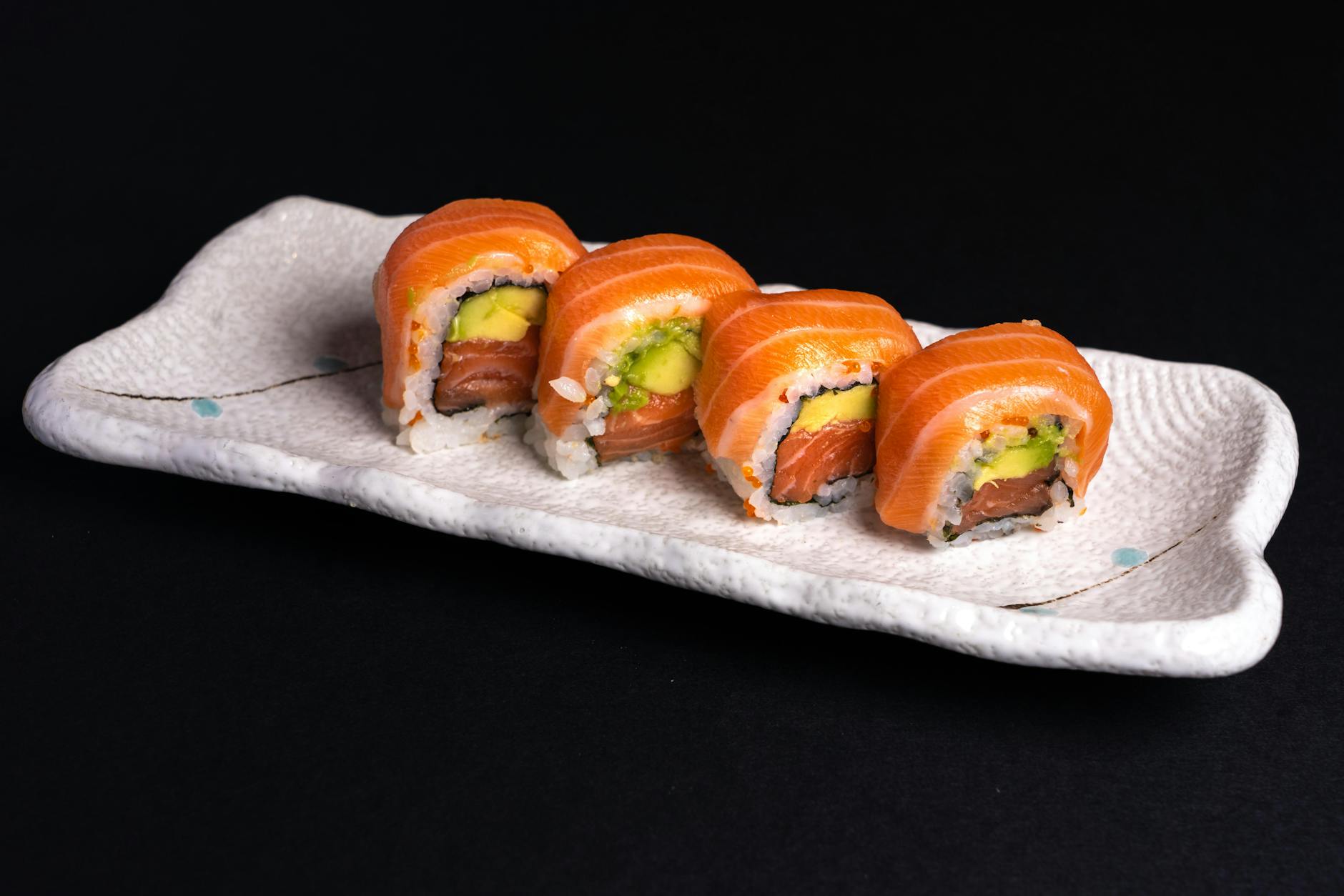
Otaru’s Sushi Street (Sushiya Dori) is lined with sushi restaurants serving fish pulled from the Sea of Japan that same morning. The quality-to-price ratio is excellent compared to Tokyo — you can eat outstanding sushi here for half the price. Key items to order: Hokkaido uni, botan ebi (spot prawn), hirame (flounder), and seasonal catches.
Where to try it: Sushi Street in Otaru (Masazushi, Otaru Takeda Maru, and others), Otaru Sankaku Market
17. Tokachi Butadon (Pork Rice Bowl)
The Tokachi region around Obihiro has its own signature dish: thick slices of pork loin grilled over charcoal with a sweet soy glaze, served on rice. It’s simple, deeply savoury, and incredibly satisfying. Butadon was originally fuel for Tokachi’s farmers and still carries that honest, filling character. The caramelised edges of the pork are the best part.
Where to try it: Pancho (Obihiro — the original), Hajime (Obihiro), any butadon shop in the Tokachi area
18. Hokkaido Cheese
Hokkaido’s dairy farms are increasingly producing artisan cheeses that rival European imports. Furano Cheese Factory, Tokachi’s Hanabatake Bokujo, and smaller producers across the island make camembert, brie, smoked cheese, and unique Japanese-style cheeses. Many farms offer tours and tastings.
Where to try it: Furano Cheese Factory, Hanabatake Bokujo (Tokachi), Needs Cheese Factory (Makubetsu)
19. Seicomart Convenience Store Food
Seicomart is Hokkaido’s local convenience store chain, and it consistently beats the national chains for food quality. Their hot food counter (Hot Chef) makes onigiri, bento, and fried chicken to order using Hokkaido ingredients. The katsu-don, croquettes, and rice balls are excellent cheap eats. Seicomart also stocks Hokkaido-exclusive drinks, dairy products, and snacks.
Where to try it: Any Seicomart (orange signage — you’ll see them everywhere)
20. Nikka Whisky
The Nikka Whisky Yoichi Distillery, located on the coast between Sapporo and Niseko, is where Japanese whisky pioneer Masataka Taketsuru chose to build his distillery after studying whisky-making in Scotland. The climate, water quality, and coastal air reminded him of Scottish distilling conditions. Tours are free and include tastings of whisky only available at the distillery.
Pair a distillery visit with an overnight stay in Sapporo — Yoichi is an easy day trip by train (about 1 hour from Sapporo).
Where to try it: Nikka Whisky Yoichi Distillery (free tours, reserve in advance)
Hokkaido’s Three Ramen Capitals
Hokkaido is unique in having three distinct regional ramen styles, each tied to a city:
| City | Style | Broth | Character |
|---|---|---|---|
| Sapporo | Miso | Rich miso + pork bone | Heavy, warming, butter and corn |
| Asahikawa | Shoyu (soy) | Double soup (pork + seafood) | Complex, oil layer for heat retention |
| Hakodate | Shio (salt) | Clear pork/chicken | Light, delicate, elegant |
Trying all three is practically a pilgrimage for ramen lovers. Our first-time Hokkaido itinerary includes stops in all three cities.
Seasonal Food Calendar
| Season | What’s in Season |
|---|---|
| Spring (Apr–May) | Asparagus, cherry blossoms, spring herring |
| Summer (Jun–Aug) | Uni, Yubari melon, lavender sweets, corn, asparagus |
| Autumn (Sep–Nov) | Salmon, ikura, crab season begins, potatoes, pumpkin, new rice |
| Winter (Dec–Mar) | King crab, snow crab, horsehair crab, hot pot, ramen season |
Eating on a Budget in Hokkaido
You don’t need to spend big to eat well here. Some tips:
- Seicomart — better food than other convenience stores, Hokkaido-exclusive items
- Set lunches (teishoku) — many restaurants offer lunch sets for ¥800–¥1,200 that would cost twice as much at dinner
- Market stalls — morning markets sell seafood bowls and street food at reasonable prices
- Ramen — a filling bowl rarely costs more than ¥900–¥1,100
- Supermarket sushi — evening discounts (look for stickers) on prepared sushi that’s better than restaurant sushi in most other countries
Check our Best Time to Visit Hokkaido guide to match your trip with the food seasons that interest you most.