Hokkaido has a reputation for being expensive, and parts of it are — a peak-season Niseko hotel or a full crab dinner will put a dent in any budget. But the island is also home to some of Japan’s best cheap eats, affordable guesthouses that outperform overpriced city hotels, and enough free activities to fill a week without spending much at all.
In This Article
- Daily Budget Breakdown
- Cheap Eats
- Ramen (¥800–¥1,100)
- Seicomart (¥200–¥600)
- Set Lunches (¥800–¥1,200)
- Supermarket Evening Discounts
- Morning Markets (¥1,500–¥2,500)
- Cheap Accommodation
- Hostels and Guesthouses (¥2,500–¥4,500)
- Business Hotels (¥5,000–¥8,000)
- Dormy Inn (¥7,000–¥10,000)
- Capsule Hotels (¥2,000–¥3,500)
- Transport Savings
- JR Hokkaido Rail Pass
- Sapporo Subway Day Pass
- Highway Buses
- Walk
- Free Activities
- Where to Splurge
- When to Go for Budget Travel
The trick isn’t spending less everywhere. It’s knowing where the money matters and where it doesn’t. A ¥900 bowl of ramen in Sapporo is better than most ¥3,000 restaurant meals. A ¥5,000 business hotel is often identical to the ¥12,000 one next door minus the lobby chandelier. And the best view in the city — looking across Odori Park from the TV Tower steps — is completely free.
Daily Budget Breakdown
| Budget | Mid-Range | Comfort | |
|---|---|---|---|
| Accommodation | ¥3,000–¥5,000 | ¥8,000–¥15,000 | ¥18,000–¥35,000 |
| Food | ¥2,000–¥3,000 | ¥4,000–¥6,000 | ¥8,000–¥12,000 |
| Transport | ¥1,000–¥2,000 | ¥2,000–¥4,000 | ¥4,000–¥8,000 |
| Activities | ¥0–¥1,000 | ¥1,000–¥3,000 | ¥3,000–¥8,000 |
| Daily total | ¥6,000–¥11,000 | ¥15,000–¥28,000 | ¥33,000–¥63,000 |
| ~USD | $42–$76 | $103–$193 | $228–$434 |
Cheap Eats
Hokkaido is one of the easiest places in Japan to eat well on a budget. The portions are generous, the ingredients are local, and the unpretentious restaurant culture means the best food is often in the cheapest-looking shops.
Ramen (¥800–¥1,100)
A full bowl of Sapporo miso ramen with all the fixings rarely costs more than ¥1,100. That’s a complete, filling meal. Go at 14:00 or 21:00 to avoid queues. Add rice (¥100–¥150) if you’re really hungry. See our ramen guide.
Seicomart (¥200–¥600)
Hokkaido’s local convenience store chain beats the national chains on food quality. The Hot Chef counter makes onigiri, bento, croquettes, and katsu-don to order using Hokkaido ingredients. A hot meal for ¥400–¥600 that’s genuinely tasty, not just fuel. Seicomart also stocks Hokkaido-exclusive drinks and snacks at regular convenience store prices.
Set Lunches (¥800–¥1,200)
Most sit-down restaurants offer lunch sets (teishoku) that include a main dish, rice, soup, and pickles for 30–50% less than dinner prices. The same restaurant charging ¥2,500 for dinner might serve essentially the same dish at lunch for ¥980. This is probably the single biggest money-saving trick in Japan.
Supermarket Evening Discounts
Japanese supermarkets discount prepared foods (sushi, bento, tempura, salads) in the evening, typically from 18:00 onward. Discount stickers start at 20% off and increase to 50% as closing time approaches. The sushi in a Hokkaido supermarket at half price is better than restaurant sushi in most other countries. Look for the yellow or red discount stickers.
Morning Markets (¥1,500–¥2,500)
Counter-intuitive for a budget guide, but the morning markets in Sapporo (Nijo) and Hakodate (Asaichi) sell kaisen-don starting from ¥1,500 — less than you’d pay for the same quality at a restaurant. Go for the simpler bowls (salmon, squid, and shrimp) rather than the premium uni and crab-loaded versions.
Cheap Accommodation
Hostels and Guesthouses (¥2,500–¥4,500)
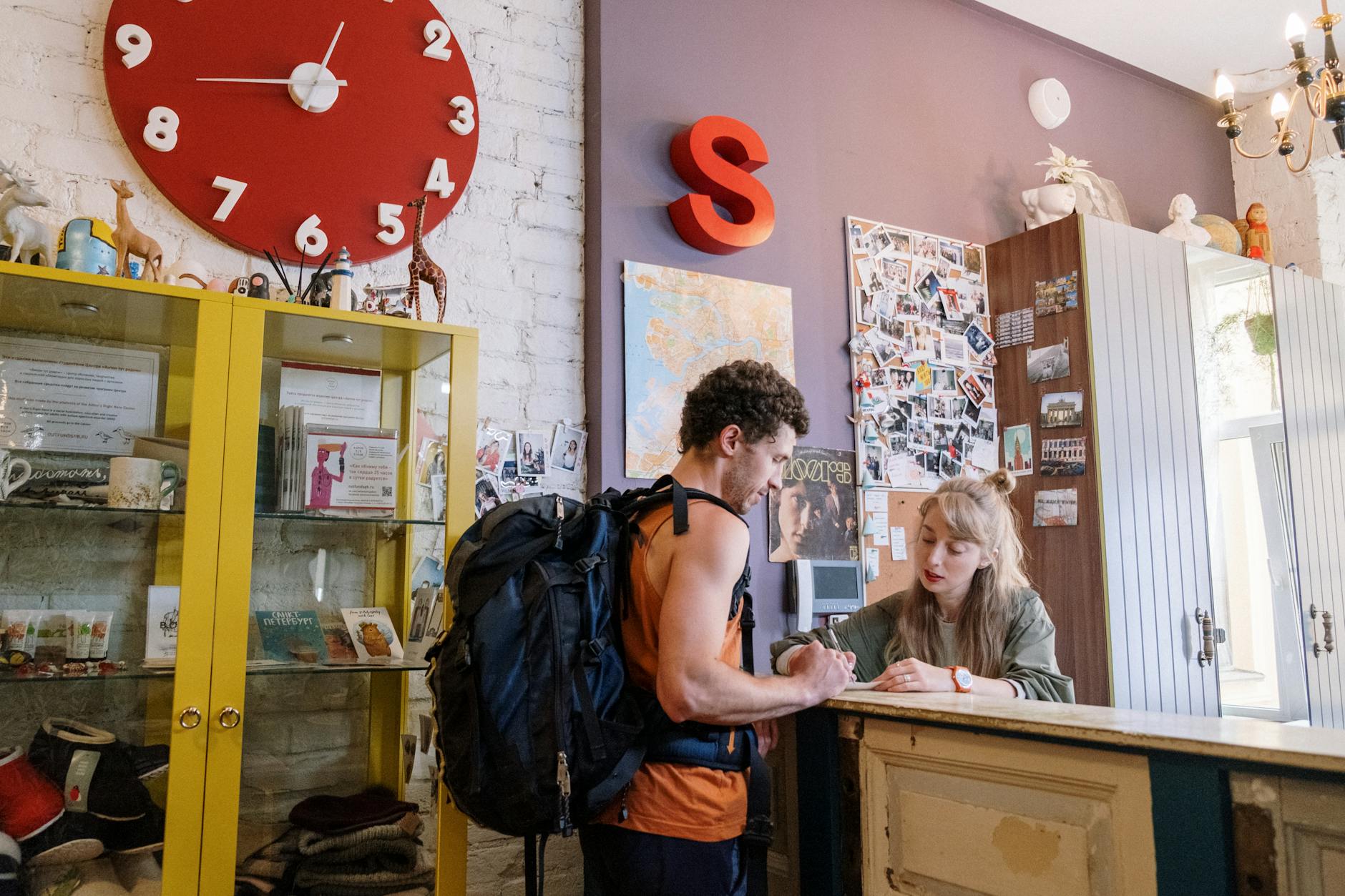
Sapporo has several modern hostels that are clean, social, and well-located. Grids Sapporo near the station offers dorm beds from ¥3,000 and private rooms from ¥7,000. Unwind Hotel & Bar in Susukino has pod-style accommodation with a communal bar area. Outside Sapporo, guesthouses in Furano, Hakodate, and eastern Hokkaido offer similar budget options.
Business Hotels (¥5,000–¥8,000)
Japan’s business hotel chains (Toyoko Inn, Route Inn, Comfort Hotel) offer small but clean rooms with everything you need. Some include breakfast. Toyoko Inn includes a basic Japanese breakfast buffet at every property. The rooms are tiny but functional, and the prices are the same whether you book a month ahead or that morning.
Dormy Inn (¥7,000–¥10,000)
Slightly above budget pricing but worth mentioning because the included rooftop onsen and free late-night soba noodles effectively save you ¥2,000–¥3,000/day on a separate onsen visit and evening snack. Check our Sapporo Station hotel guide for the specific branch.
Capsule Hotels (¥2,000–¥3,500)
The cheapest private sleeping space in Japan. Modern capsule hotels have improved dramatically — privacy curtains, USB ports, reading lights, and shared lounges. Not for claustrophobes, but surprisingly comfortable for a night or two.
Transport Savings
JR Hokkaido Rail Pass
If you’re making 2–3 limited express journeys, the 5-day pass (~¥20,000) saves money. A single Sapporo–Hakodate round trip costs ¥18,880 without the pass. Add an airport transfer and an Otaru day trip and the pass has paid for itself with days to spare.
Sapporo Subway Day Pass
¥830 on weekdays, ¥520 on weekends/holidays. Pays for itself after three rides. If you’re spending a full day exploring Sapporo by subway, always buy the day pass.
Highway Buses
Intercity buses are typically 30–50% cheaper than trains. Sapporo to Hakodate by bus costs roughly ¥4,800 versus ¥9,440 by train. The trade-off is time (5.5 hours vs 3.5 hours). For budget travelers not in a rush, buses make sense for longer routes.
Walk
Central Sapporo is walkable. Sapporo Station to Susukino is 20 minutes on foot. In winter, the underground walkway makes this comfortable. Save the subway fare for days when you’re going further afield.
Free Activities
- Odori Park — walk the 1.5km park in any season. Free.
- Nijo Market browsing — walking through is free; eating is optional.
- Hokkaido University campus — beautiful tree-lined paths, particularly in autumn. Free.
- Sapporo Beer Museum — self-guided tour is free (tasting costs extra).
- Otaru Canal walk — the canal and warehouses are open air. Free.
- Jigokudani (Hell Valley) at Noboribetsu — the walking trail is free.
- Shrine visits — Hokkaido Shrine, Hakodate shrines. All free.
- Michi-no-eki (roadside stops) — free entry, free samples at most.
- Free foot baths (ashiyu) — available in Jozankei, Noboribetsu, Yunokawa, and other onsen towns.
Where to Splurge
Even on a budget, some things in Hokkaido are worth paying for:
- One good sushi meal in Otaru (¥3,000–5,000 for lunch) — worth every yen
- One onsen experience — Sagiriyu in Noboribetsu costs only ¥480 and uses volcanic water
- Hakodate night view ropeway (¥1,800) — the view is genuinely one of the best in Japan
When to Go for Budget Travel
Timing affects costs dramatically:
- November — lowest hotel prices of the year. Cold but no events driving demand.
- April — between ski season and cherry blossom season. Quiet and cheap.
- June — before summer crowds. Pleasant weather, good deals.
- Early December — ski season starting but before holiday pricing.
- Avoid: Snow Festival week (early Feb), Golden Week (late Apr–early May), Obon (mid-Aug), Christmas/New Year.
More seasonal detail in our month-by-month guide.
For more trip planning, start with First Time in Hokkaido or check where to stay in Sapporo for hotels at every price point.