This article contains affiliate links. If you book through them, I earn a small commission at no extra cost to you.
In This Article
- The Big Picture: Hokkaido Is Enormous
- JR Hokkaido Trains
- The Limited Express Lines
- Is the JR Hokkaido Rail Pass Worth It?
- The Shinkansen Situation
- When Trains Don’t Work
- Highway Buses
- Intercity Buses from Sapporo
- Overnight Buses
- Local Buses
- Rental Cars
- When You Need a Car
- Winter Driving Reality
- Cost
- Domestic Flights
- Sapporo’s Local Transport
- The Subway
- The Streetcar
- Getting Between New Chitose Airport and Sapporo
- Route Comparison Table
- My Honest Verdict on Each Option
- What I’d Do With Different Amounts of Time
- Useful Apps and Resources
I spent my first three days in Hokkaido waiting for trains that came once every two hours. Nobody warned me. Every guide I’d read talked about how great Japan’s rail system is, and that’s true — for the main corridor between Sapporo and Asahikawa. Step off that line, though, and you’re looking at three services a day. Sometimes two. I once watched a local bus pull away from a stop near Lake Mashu and realized the next one wasn’t coming for four hours.
So here’s what I actually learned about getting around Hokkaido after multiple trips, a car rental with snow tires, a few highway buses, and one flight I wish I’d booked from the start.
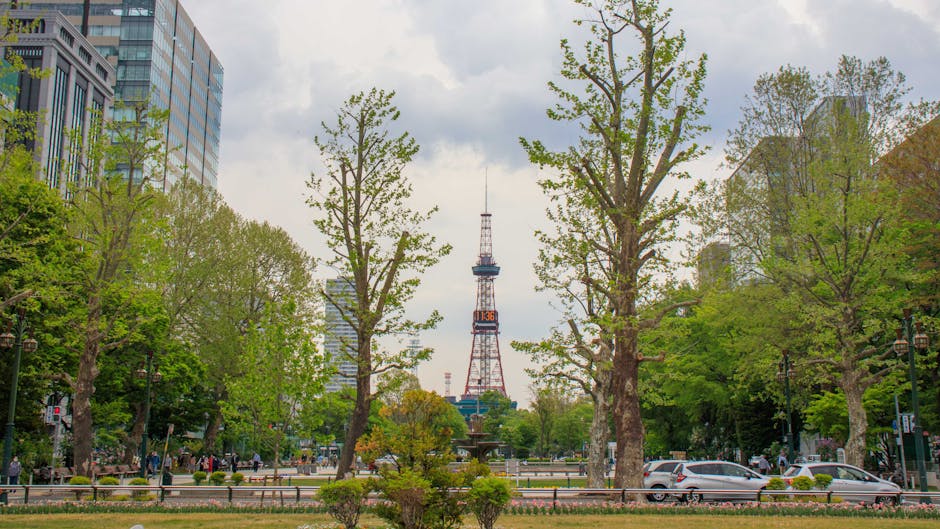
The Big Picture: Hokkaido Is Enormous
Before anything else, understand the scale. Hokkaido is roughly the size of Austria. Sapporo to Kushiro is about 350 km. Sapporo to Wakkanai, up at Japan’s northernmost point, is around 320 km. These distances don’t sound massive until you realize that the rail connections between them take five to seven hours, with transfers.
The main population centres — Sapporo, Asahikawa, Hakodate, Kushiro, and Abashiri — sit around the edges of the island. Between them? Mountains, farmland, forests, and not much else. This matters for transport because the infrastructure follows the population, and the population clusters on the coast.
So the honest answer to “what’s the best way to get around Hokkaido” is: it depends entirely on where you’re going. The western corridor between Sapporo and Hakodate? Trains work great. Eastern Hokkaido? You probably need a car. Here’s how each option actually plays out.
JR Hokkaido Trains

Trains are the backbone of Hokkaido travel, and JR Hokkaido runs almost all of them. The network radiates out from Sapporo in four main directions: south to Hakodate, north to Asahikawa (and onward to Wakkanai or Abashiri), east to Obihiro and Kushiro, and west to Otaru and Niseko.
The Limited Express Lines
The limited express trains are the workhorses. They skip smaller stations and cut travel times roughly in half compared to local services. The main ones you’ll actually use:
- Sapporo to Asahikawa — About 1 hour 25 minutes on the Limited Express Lilac or Kamui. 27 departures a day. This is the most frequent and convenient line in Hokkaido. A one-way ticket costs around ¥4,690.
- Sapporo to Hakodate — The Limited Express Hokuto takes about 3 hours 50 minutes. Roughly 12 departures daily. One-way fare is approximately ¥9,440. The route hugs the Pacific coast and the views are good, especially past Noboribetsu.
- Sapporo to Kushiro — The Limited Express Ozora runs about 4 hours through central Hokkaido via Obihiro. Around 6 departures per day.
- Sapporo to Abashiri — The Limited Express Okhotsk takes roughly 5 hours 20 minutes, going via Asahikawa. Only 4 departures daily, so missing one costs you hours.
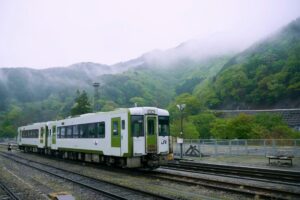
Outside these express routes, branch lines run local trains that stop everywhere. The Senmo Line between Abashiri and Kushiro is scenic but slow. The Rumoi Line runs a handful of times daily. Some lines have been discontinued entirely in recent years as ridership dropped.
Is the JR Hokkaido Rail Pass Worth It?
For foreign visitors, JR Hokkaido sells a regional rail pass with a few options. The most popular is the 4-day flexible pass (use any 4 days within a 10-day window), which costs around ¥24,000. There’s also a 5-day consecutive pass for about ¥26,000 and a 7-day version for roughly ¥28,000.
The math works out quickly. A single Sapporo-to-Hakodate round trip is about ¥18,880, so one long journey plus a few shorter ones and the pass pays for itself. If you’re hopping between multiple cities, it’s almost always worth it. I’ve done the detailed breakdown in my JR Hokkaido Rail Pass guide with a calculator to check your specific route.
One thing to know: the national Japan Rail Pass also works on JR Hokkaido lines, but it’s overkill if you’re only in Hokkaido. The Hokkaido-specific pass is cheaper and does the same job within the island.
The Shinkansen Situation
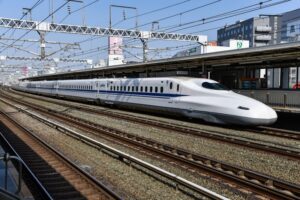
The Hokkaido Shinkansen currently runs only between Shin-Hakodate-Hokuto and Tokyo, stopping at the southern tip of the island. It does not reach Sapporo. An extension to Sapporo is under construction with a projected opening around 2030, but that date has already slipped once. For now, getting from the shinkansen station to Sapporo still requires a 3.5-hour limited express ride from Shin-Hakodate-Hokuto.
If you’re coming from Tokyo, flying to New Chitose Airport is almost always faster and often cheaper than taking the shinkansen plus the connecting limited express. The train option makes more sense if you want to stop in Hakodate first.
When Trains Don’t Work
Here’s what nobody tells you until you’re standing on a platform in eastern Hokkaido. Many branch line stations have just 2-3 services per day. Kawayu Onsen station, which serves both Lake Kussharo and Lake Mashu, gets only 3 trains per day in each direction. Shiretoko-Shari, the closest station to Shiretoko Peninsula, has limited connections and you still need a bus to reach Utoro.
Winter adds another layer. JR Hokkaido cancels or delays services regularly during heavy snow. The line to Wakkanai gets hit hard. The Senmo Line between Abashiri and Kushiro sometimes shuts down for days. Check the JR Hokkaido website for service alerts before you travel in winter.
Highway Buses
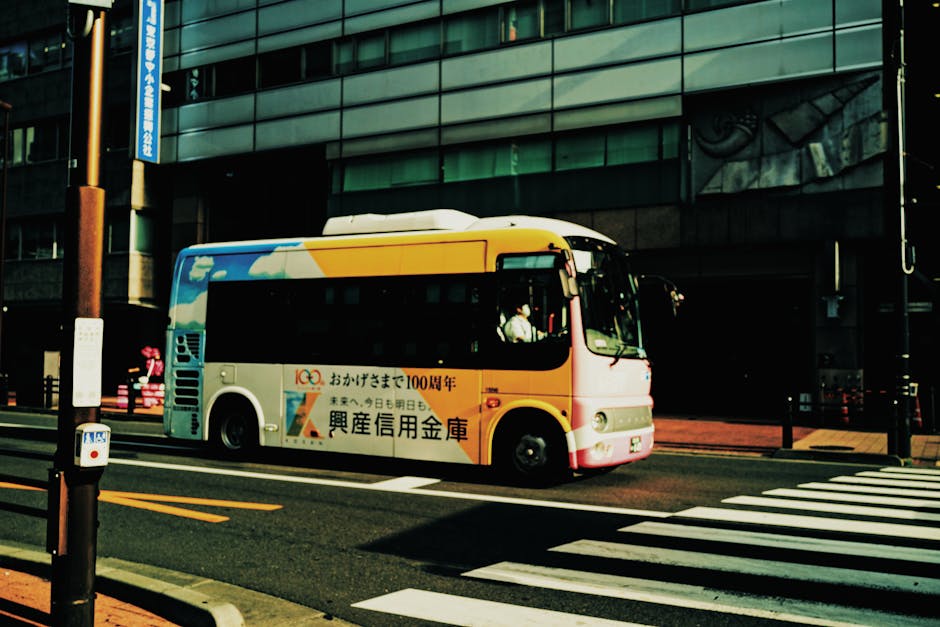
Buses are the overlooked option in Hokkaido, and honestly, for some routes they’re better than trains. They go places the rail network doesn’t reach, and they’re consistently cheaper.
Intercity Buses from Sapporo
Sapporo is the hub. Major intercity bus routes run from the Sapporo bus terminal (next to Sapporo Station) to most corners of the island. Some key routes:
- Sapporo to Furano/Biei — About 2.5 hours. Seasonal buses run directly, or you can take the regular Asahikawa-bound bus and connect. This avoids the need to backtrack through Asahikawa by train.
- Sapporo to Noboribetsu Onsen — Direct bus, about 1 hour 40 minutes. Easier than the train because the bus goes straight to the onsen town, while the JR station (Noboribetsu Station) is a 15-minute bus ride from the actual hot spring area.
- Sapporo to Niseko/Rusutsu — Direct buses run especially in ski season. The train route to Niseko is slow and indirect (through Otaru, change at Kutchan), so the bus wins here. I compared all the options in my Sapporo to Niseko guide.
- Sapporo to Wakkanai — About 6 hours by bus. Not the most exciting ride, but cheaper than the limited express and no transfers needed.
Overnight Buses
Overnight highway buses run between Sapporo and several destinations including Hakodate, Kushiro, and Obihiro. They leave around 11 PM and arrive early morning. The seats recline and it’s reasonably comfortable. A Sapporo-to-Kushiro overnight bus costs roughly ¥6,000 — about half the limited express fare — and you save a night’s accommodation.
I wouldn’t call them luxurious. But if you’re on a budget, overnight buses let you cover long distances while sleeping.
Local Buses
Within towns and for short rural connections, local buses fill in the gaps. The main frustration: stop names are often Japanese only, schedules are infrequent in rural areas, and routes aren’t always clear on Google Maps. Download the Navitime or Jorudan apps — they handle Japanese bus schedules better than Google.
Sapporo’s city buses cover the metro area but you’ll probably use the subway instead. More useful are the tourist shuttle buses that run seasonal routes to places like Furano lavender fields and Daisetsuzan trailheads in summer.
Rental Cars
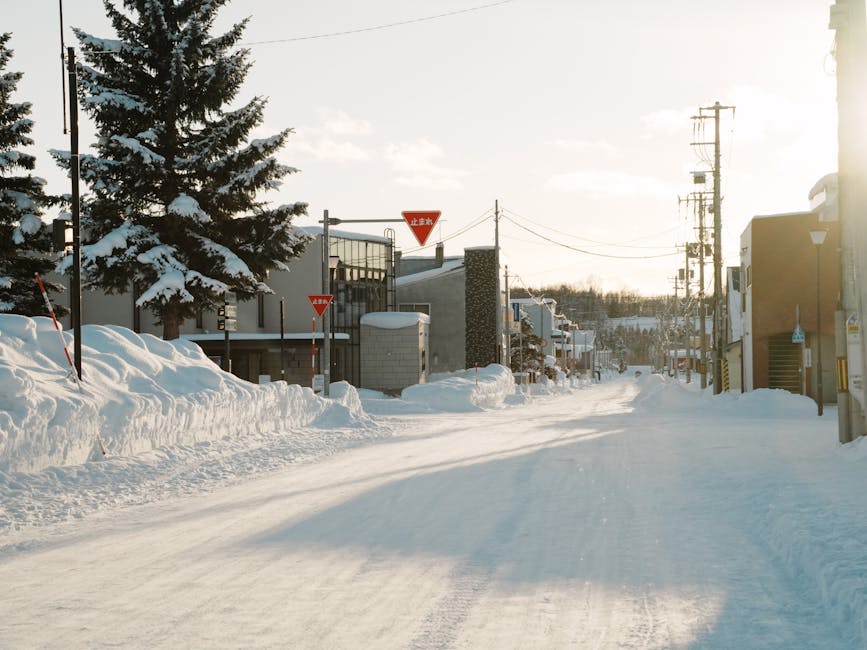
If you’re spending more than three or four days in Hokkaido and want to see anything beyond the main cities, renting a car is the most practical option. Full stop. The distances are long but the roads are excellent — wide, well-maintained, and outside of Sapporo, barely any traffic.
When You Need a Car
Certain parts of Hokkaido are essentially impossible without one:
- Shiretoko Peninsula — You can reach Utoro by bus from Shari station, but exploring the peninsula itself requires wheels
- Eastern Hokkaido generally — Lake Akan, Lake Mashu, Lake Kussharo, and the roads between them are poorly served by buses
- Coastal drives along the Sea of Japan or Sea of Okhotsk
- Anything in the Biei and Furano area if you want to see the patchwork hills and flower farms at your own pace
I’ve written a full breakdown in the Hokkaido car rental guide, including agencies, costs, and which rental outlets at New Chitose Airport are worth using.
Winter Driving Reality
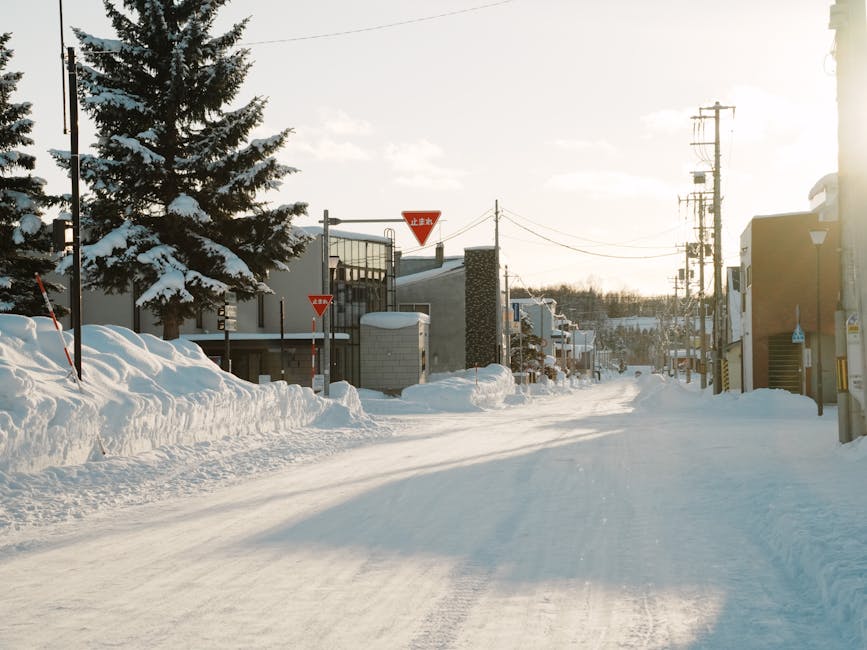
This is the part that scares people, and honestly, it should get your attention. Hokkaido gets serious snow — Sapporo alone averages about 5 metres over the winter season. Roads get icy, visibility drops to almost nothing in blizzards, and locals drive on studded tires (or studless winter tires, which are standard on all winter rentals).
But here’s the thing: Hokkaido’s main roads are plowed constantly. The highway maintenance is genuinely impressive. I’ve driven in February between Asahikawa and Biei without major issues. The rental companies automatically fit winter tires from November to April, so you’re not on summer rubber.
What’s actually dangerous: mountain passes in heavy snow, side roads that haven’t been plowed yet, and the temptation to drive too fast when the road looks clear but is actually a sheet of black ice. If you’ve never driven in snow, Hokkaido in January probably isn’t the place to learn. Stick to trains and buses, or go in summer when the roads are dry.
Cost
A compact car from a major chain (Toyota Rent a Car, Nippon Rent-A-Car, Times) runs about ¥5,000-8,000 per day, depending on season. Full-size costs more. Highway tolls add up quickly — the expressway from Sapporo to Asahikawa costs around ¥3,800 one way. Hokkaido Expressway Pass (HEP) offers fixed-rate unlimited tolls for visitors, which can save you a lot on a road trip.
Gas is cheaper than most of Europe but more expensive than the US. Figure ¥170-180 per litre. A full tank on a compact car covers about 500 km on Hokkaido’s relatively flat highways.
Domestic Flights
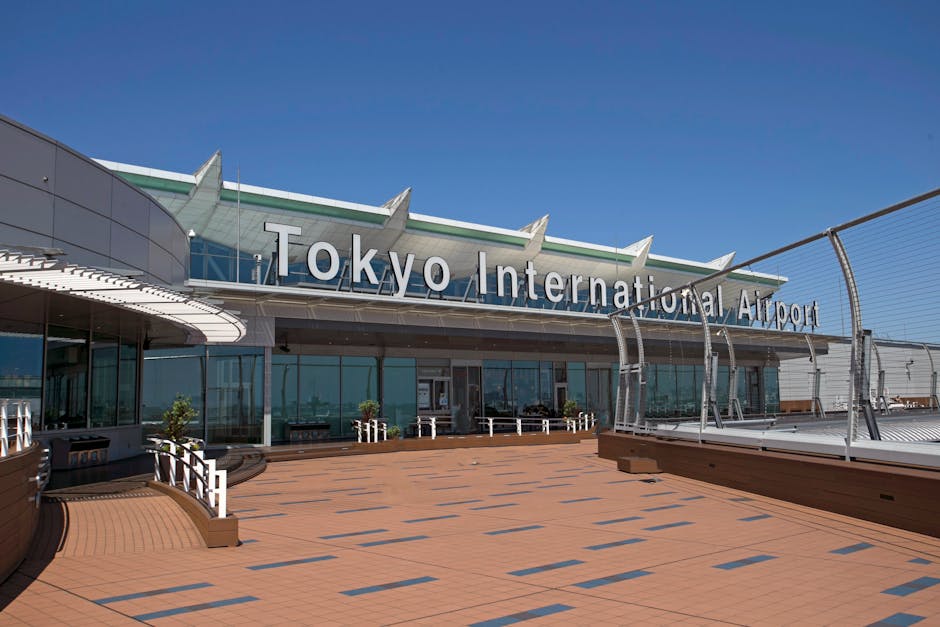
This is the option most visitors don’t consider, and it’s worth knowing about. Hokkaido has airports scattered across the island: New Chitose (Sapporo), Asahikawa, Hakodate, Kushiro, Memanbetsu (for Abashiri/Lake Akan area), and Wakkanai, among others.
ANA and JAL both run domestic flights between these airports, and discount carriers like Peach and Air Do offer even cheaper options on some routes. A one-way flight from New Chitose to Kushiro takes about 45 minutes and can cost under ¥10,000 if booked in advance. Compare that to 4 hours on the limited express for roughly the same price, and flying starts making a lot of sense.
The strongest case for flying within Hokkaido:
- Sapporo to Wakkanai — 5+ hours by train or bus vs. 55 minutes by air
- Sapporo to Kushiro — 4 hours by train vs. 45 minutes by air
- Sapporo to Memanbetsu (Abashiri) — 5+ hours by train vs. 50 minutes by air
Check prices on Air Do specifically — they’re a Hokkaido-based airline with competitive fares between island airports. I’ve flown Sapporo to Hakodate with them and it was straightforward.
Sapporo’s Local Transport
The Subway
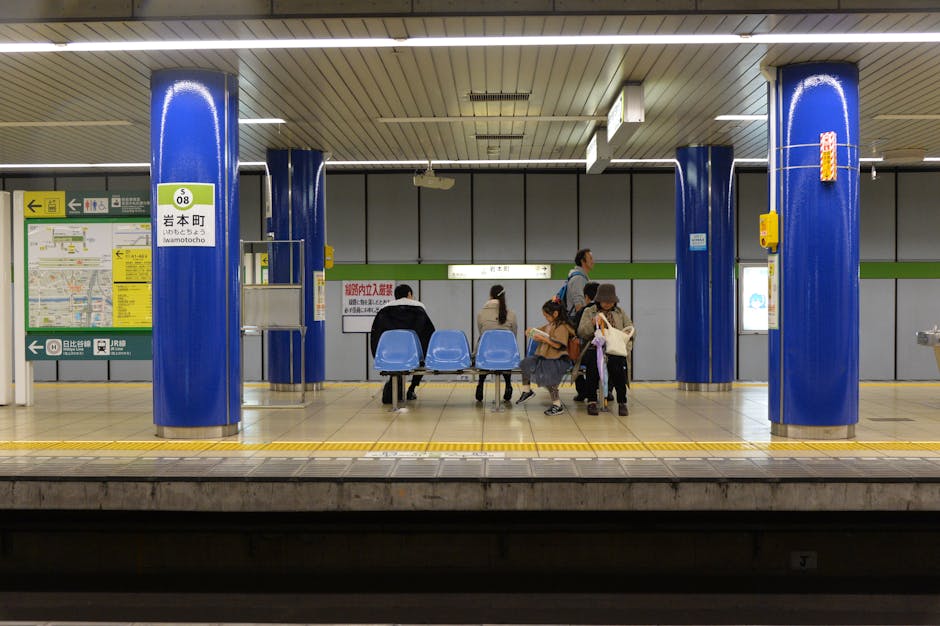
Sapporo has three subway lines — Namboku (green), Tozai (orange), and Toho (blue) — and for getting around the city, they’re all you need. Single rides cost ¥210-380 depending on distance. A one-day pass costs ¥830 on weekdays, ¥520 on weekends and holidays (the Donichika ticket).
The system is straightforward. Trains run roughly every 5-7 minutes during the day. The main stations for visitors are Sapporo, Odori, and Susukino (the nightlife district — covered in the Sapporo nightlife guide). IC cards (Suica, Kitaca, etc.) work on everything.
The Streetcar
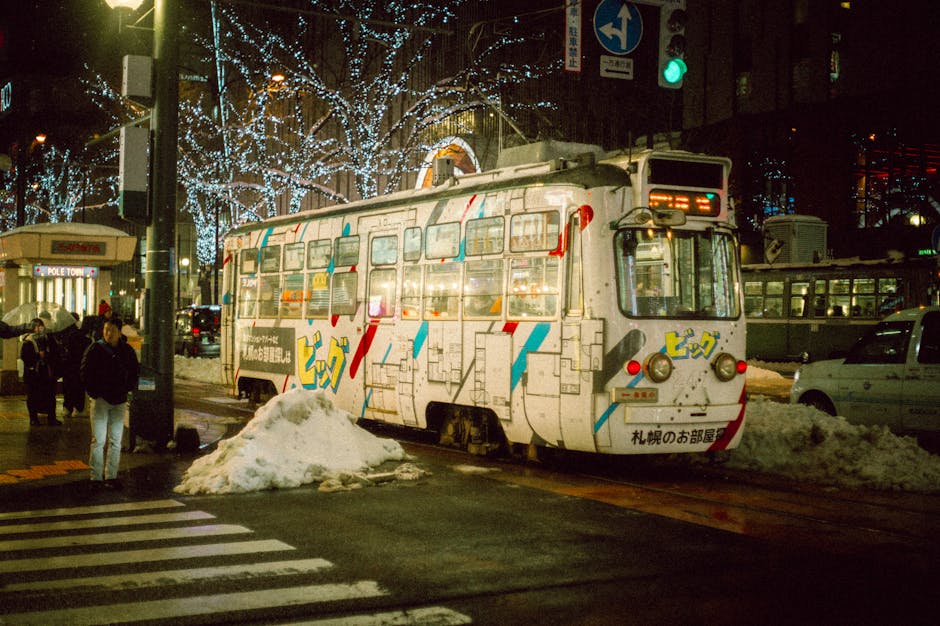
Sapporo also has a single streetcar loop (the “Shiden”) that runs through the southern part of the city. It’s charming, a bit slow, and honestly not that useful for most visitors unless you’re heading to specific spots like Moiwa Ropeway or the Jozankei Onsen bus connections. Flat fare of ¥200 per ride.
Getting Between New Chitose Airport and Sapporo
Almost everyone flying into Hokkaido arrives at New Chitose Airport, about 45 minutes south of central Sapporo. You have three real options, and I’ve covered them in detail in the New Chitose Airport guide, but here’s the quick version:
- JR Rapid Airport train — 37 minutes to Sapporo Station, roughly ¥1,150. Runs every 15 minutes. This is what most people use and it’s the best balance of speed, cost, and convenience.
- Airport bus — About 80 minutes to Sapporo, around ¥1,100. Useful if you’re going to a hotel near Susukino or somewhere not near the JR station, since buses drop off at more stops around the city.
- Taxi — About ¥15,000-16,000 for the full ride. Only makes sense if you’re splitting with a group of four.
Route Comparison Table
Here’s how the main transport options stack up for the most common routes from Sapporo. All prices are approximate one-way fares.
| Route | Train | Bus | Car | Flight |
|---|---|---|---|---|
| Sapporo to Asahikawa | 1h25m / ¥4,690 | 2h / ¥2,300 | 1h40m / ~¥3,800 tolls | — |
| Sapporo to Hakodate | 3h50m / ¥9,440 | 5h30m / ¥4,900 | 4h / ~¥5,500 tolls | 40m / ~¥8,000 |
| Sapporo to Kushiro | 4h / ¥10,670 | 5h30m / ¥5,770 | 4h30m / ~¥5,000 tolls | 45m / ~¥9,000 |
| Sapporo to Abashiri | 5h20m / ¥10,010 | 6h / ¥6,800 | 4h30m / ~¥5,000 tolls | 50m / ~¥10,000 |
| Sapporo to Wakkanai | 5h10m / ¥10,450 | 6h / ¥6,200 | 5h / ~¥5,500 tolls | 55m / ~¥11,000 |
| Sapporo to Niseko | 3h (via Otaru) / ¥2,860 | 2h30m / ¥2,470 | 2h / ~¥2,000 tolls | — |
| Sapporo to Otaru | 32m / ¥750 | 1h / ¥680 | 40m / ~¥1,200 tolls | — |
The pattern is clear: trains are fastest for short-to-medium distances (Asahikawa, Otaru), buses are cheapest for everything, cars win for flexibility and destinations off the main lines, and flights make sense when you’re going far east or far north.
My Honest Verdict on Each Option
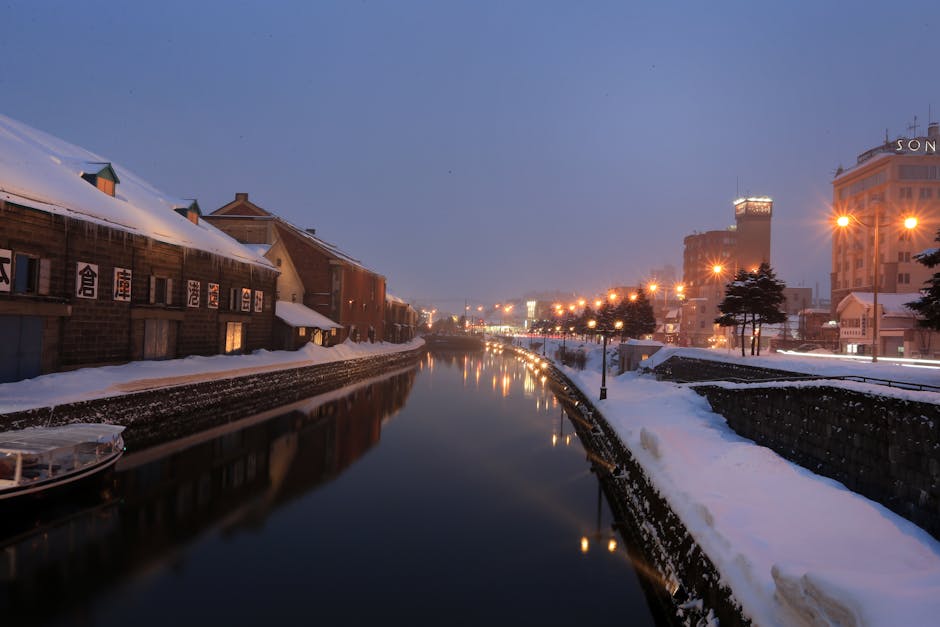
Trains are excellent for the Sapporo-Asahikawa-Hakodate corridor. Frequent, comfortable, scenic. But east and north of Asahikawa, service drops off fast. Don’t build an eastern Hokkaido itinerary around trains unless you enjoy long waits at empty platforms.
Buses are underrated. They go more places than trains, cost less, and the overnight options save you both time and money. The downside is they’re slower and schedules in rural areas can be hard to pin down. Use them for Sapporo to Niseko, Sapporo to Noboribetsu, and the overnight run to Kushiro.
Rental cars are the clear winner for eastern Hokkaido, Shiretoko, and any kind of road trip. Summer driving is genuinely enjoyable — empty roads, incredible scenery. Winter driving is doable but demands respect and experience. If you’ve never driven in snow, don’t start in Hokkaido in January.
Flights are the smart move when you’re crossing the island. Sapporo to Kushiro or Wakkanai by train eats half your day. A flight does it in under an hour. Book early on Air Do for the best Hokkaido fares.
Sapporo’s subway — just use it. Three lines, goes everywhere useful, IC cards work. The streetcar is nice for a ride but you won’t need it most days.
What I’d Do With Different Amounts of Time
3-4 days, Sapporo base: Subway in Sapporo, JR Rapid to Otaru for a day trip, maybe the limited express to Asahikawa for Asahiyama Zoo. No car needed. Check my 3-day itinerary for the route.
7 days, Sapporo + one other region: Trains for the main corridor. If heading to Hakodate, trains all the way. If heading east, consider a flight to Kushiro or Memanbetsu and rent a car there. This is how I’d structure a 7-day trip.
10+ days, full island: Rent a car from New Chitose, drive the circuit. Sapporo to Asahikawa to Abashiri to Kushiro to back to Sapporo via Obihiro. This gives you complete freedom and hits every corner. See the 10-day itinerary for the detailed route and the road trip guide for logistics.
Useful Apps and Resources
A few things that actually help on the ground:
- Google Maps — Works well for train and subway routing. Less reliable for rural buses.
- Navitime Japan Travel — Better than Google for Japanese bus schedules and connections. Free app.
- Hyperdia — The classic train timetable tool. Still works but the interface feels dated.
- JR Hokkaido website — Check service disruptions, timetables, and pass information. English version available.
- IC cards — Get a Kitaca (JR Hokkaido’s card) or use any existing Suica/Pasmo/ICOCA. Works on trains, subway, buses, and convenience stores. Load at any station machine.
For staying connected, a pocket WiFi or local SIM is essential for checking real-time schedules, especially on bus routes where the only timetable is taped to the bus stop pole — in Japanese.
And if you’re still trying to figure out when to visit, transport availability is another factor. Summer has the most bus routes running (seasonal services to national parks and flower fields). Winter has more weather cancellations but the main lines keep running. The things to do guide breaks down what’s available by season.