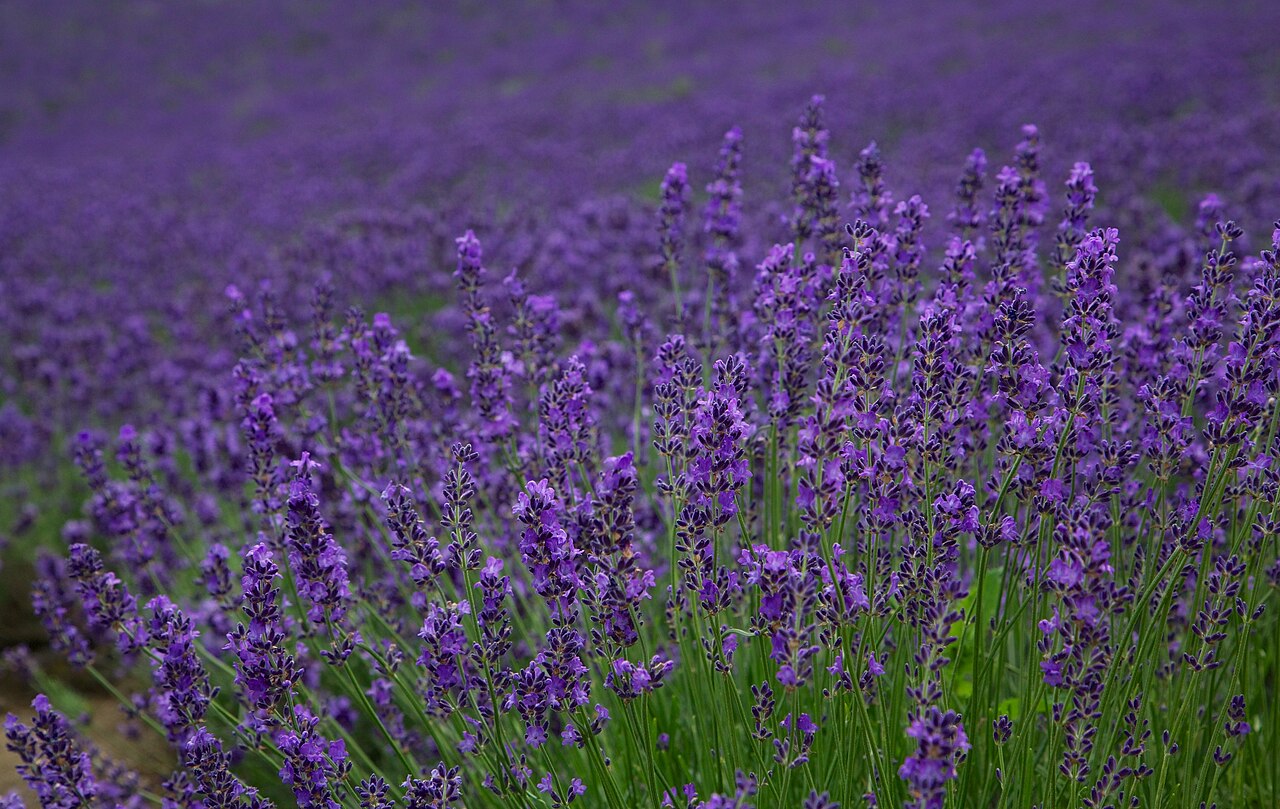
Furano and Biei sit in the agricultural heart of Hokkaido, about two hours from Sapporo. In July, Furano’s lavender fields turn the hillsides purple and draw crowds from across Asia. The rest of the year, the area is quieter but no less photogenic — patchwork crop fields in summer, golden harvest landscapes in autumn, and a solid ski resort in winter.
In This Article
The two towns are usually visited together despite being 30 minutes apart by car. Here’s what’s actually worth your time and what you can skip.
Do You Need a Car?
Short answer: yes, almost certainly. The flower fields, Blue Pond, Shikisai no Oka, and cheese factory are spread across rolling countryside with no practical bus connections between them. Driving between them takes 10–20 minutes each; doing the same by public transport involves long waits, infrequent services, and walking along roads without pavements.
If you don’t drive, your best option is a guided day tour from Sapporo on Klook (from ~$39) that covers transport between all the main spots. Or rent an electric-assist bicycle in Biei for the patchwork road area — the hills are gentle enough to enjoy by bike if the weather cooperates.
Rental car details in our road trip guide.
Furano: The Lavender Side
Farm Tomita
The most visited flower farm in Hokkaido, and honestly it deserves the attention. The lavender rows climbing uphill with mountains behind them are genuinely beautiful, and the farm is well-maintained without feeling overly commercialised. Free entry. Open year-round, though the lavender blooms only from late June through late July with a peak typically around July 10–20.
Arrive before 09:00 to beat the tour buses. By 10:30 on a peak-season day, you’re sharing the paths with hundreds of people and photography becomes an exercise in patience.
The lavender soft serve ice cream here is one of those things that sounds gimmicky but is actually good. Light floral flavour, excellent Hokkaido dairy base. Worth trying once.
Other flowers — poppies, salvia, marigolds, baby’s breath — bloom from June through September, so the farm has colour even when lavender isn’t in season. But let’s be honest: most people come for the lavender specifically, and if you’re visiting outside the July window, you’re seeing a pleasant farm rather than a spectacular one.
Nakafurano Lavender Garden
Ten minutes by car from Farm Tomita. Smaller, quieter, and has a chairlift offering elevated views across the lavender. If Farm Tomita is packed (and in mid-July it often is), Nakafurano gives you a similar experience with a fraction of the people. The chairlift ride is pleasant and costs a few hundred yen.
Furano Cheese Factory
A working cheese factory where you can watch production through viewing windows, sample the products, and optionally do a butter or cheese-making workshop (¥900–¥1,000, book in advance). The cheese is good — Hokkaido dairy makes a real difference — and the ice cream made from the factory’s own milk is worth stopping for. Free entry to the factory itself.
Allow about 45 minutes for a casual visit, longer if doing a workshop.
Ningle Terrace
A collection of small log-cabin craft workshops in the forest behind the New Furano Prince Hotel. Each cabin houses a different artisan selling handmade goods — glass, leather, woodwork, candles. The forest setting and the quality of the crafts make it more charming than it has any right to be. Free to walk through; purchases optional. Particularly atmospheric in winter when snow covers the forest paths.
Furano Ski Resort
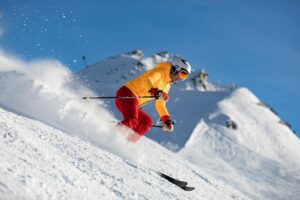
Less famous than Niseko but comparable snow quality with significantly fewer people and lower prices. The terrain suits intermediate skiers well, with long groomers through birch forest. The New Furano Prince Hotel offers ski-in/ski-out access at moderate prices. See our ski resorts comparison.
Biei: The Photography Side
Blue Pond (Aoi Ike)
A volcanic mineral pond that glows an unnatural cobalt blue, caused by aluminium hydroxide particles from the nearby Shirogane hot springs. It went internationally famous after Apple used a photo of it as an iPhone wallpaper. In person, the colour is as striking as the photos suggest, though lighting conditions affect the intensity — a sunny morning gives the strongest blue; overcast days mute it.
The surrounding birch forest adds to the composition, and in winter the pond partially freezes with blue ice that’s illuminated at night. A boardwalk makes the short walk accessible to most visitors.
Crowds: The parking lot fills quickly from late morning in peak season. Go before 09:00 or after 16:00. Parking costs ¥500.
Shirahige Waterfall
A 5-minute drive from the Blue Pond. Hot spring water cascades over a cliff into the blue Biei River below. Viewed from a bridge above, the white waterfall against the blue-tinged river makes for a quick but photogenic stop. The waterfall runs year-round — in winter it partially freezes for a different aesthetic.
Shikisai no Oka (Hill of Four Seasons)
Strips of different flowers — lavender, salvia, sunflowers, marigolds, and others depending on the month — creating bands of colour across rolling hills with the Tokachi mountains as a backdrop. It’s photogenic from every angle, genuinely impressive in scale, and different enough from Farm Tomita to warrant visiting both.
Entry approximately ¥500 (seasonal). Tractor rides through the fields are available for an additional fee. The alpaca farm adjacent is popular with kids.
Patchwork Road
A series of rolling agricultural hills north of Biei divided into different crop fields — wheat, potatoes, corn, beans — creating a natural patchwork effect across the landscape. The area is best explored by car, stopping at the various viewpoints along the way.
Several named trees along the route (Ken and Mary’s Tree, Seven Stars Tree, Mild Seven Hill) became famous through Japanese advertising campaigns decades ago and draw visitors to specific spots. The individual trees are honestly underwhelming — they’re just trees. But the broader landscape of rolling fields under a wide sky is worth the drive regardless.
What to Skip
Furano Wine Factory — unless you’re specifically interested in Hokkaido wine, the tasting room is basic and the wines are a work in progress. Your time is better spent at the cheese factory or flower fields.
The named trees — don’t go out of your way to see Ken and Mary’s Tree or Mild Seven Hill specifically. Enjoy them if you pass them on the patchwork drive, but they’re not destinations in themselves. Japanese tourists feel differently about this, which is fine.
Furano town centre — there isn’t much there for tourists beyond a few restaurants. The attractions are all outside town.
Getting There
From Sapporo: approximately 2 hours by car via highway. The most practical option and allows you to cover both Furano and Biei in a day.
By train: JR from Sapporo, transfer at Takikawa or Asahikawa (2–2.5 hours total). In summer, the seasonal Furano Lavender Express runs direct from Sapporo. Without a car at the other end, you’ll need taxis or the infrequent local Biei-Furano shuttle.
Guided day tours from Sapporo: Book on Klook from ~$39, including transport to all major spots.
How Long?
Day trip from Sapporo: Possible but long. You’ll cover Farm Tomita, Blue Pond, and one or two other spots before driving back. Leave early, accept you won’t see everything.
1 night (recommended): Covers both Furano and Biei comfortably. Stay at a pension in Biei or the Prince Hotel in Furano. Evening light on the patchwork fields is worth staying for.
2 nights: Adds Asahikawa (zoo, ramen) or relaxed cycling through Biei’s back roads.
For the full driving route, see our road trip guide or the day trips from Sapporo overview. For food beyond the cheese factory, check the Hokkaido food guide.