
Most visitors to Hokkaido follow a predictable route: fly into Sapporo, day-trip to Otaru, maybe Furano or Niseko, possibly Hakodate if time allows. The entire eastern half of the island — which is roughly the size of the Kanto region — gets ignored. This isn’t because it lacks anything worth seeing. It’s because getting there takes effort, public transport is thin, and the tourism infrastructure assumes you speak Japanese and have a car.
In This Article
- The Destinations
- Abashiri — Drift Ice and Prison History
- Shiretoko Peninsula — Japan’s Last Wilderness
- Akan-Mashu National Park — Volcanoes and Crater Lakes
- Kushiro — Cranes, Marshes, and Robata
- Kitami and Saroma — Yakiniku and Lake Sunsets
- You Need a Car
- When to Go
- Sample 4-Day Eastern Hokkaido Route
- Food Highlights
If you make that effort, you get drift ice on the Sea of Okhotsk, a UNESCO World Heritage wilderness, red-crowned cranes that were once thought extinct, volcanic crater lakes without another tourist in sight, and seafood pulled from the water that morning. Eastern Hokkaido is Hokkaido as it was before the tour buses arrived.
The trade-off is real: you need a car, you need more days, and you’ll eat at places where the menu is handwritten in Japanese. Whether that sounds like a problem or a feature tells you whether eastern Hokkaido is for you.
The Destinations
Abashiri — Drift Ice and Prison History
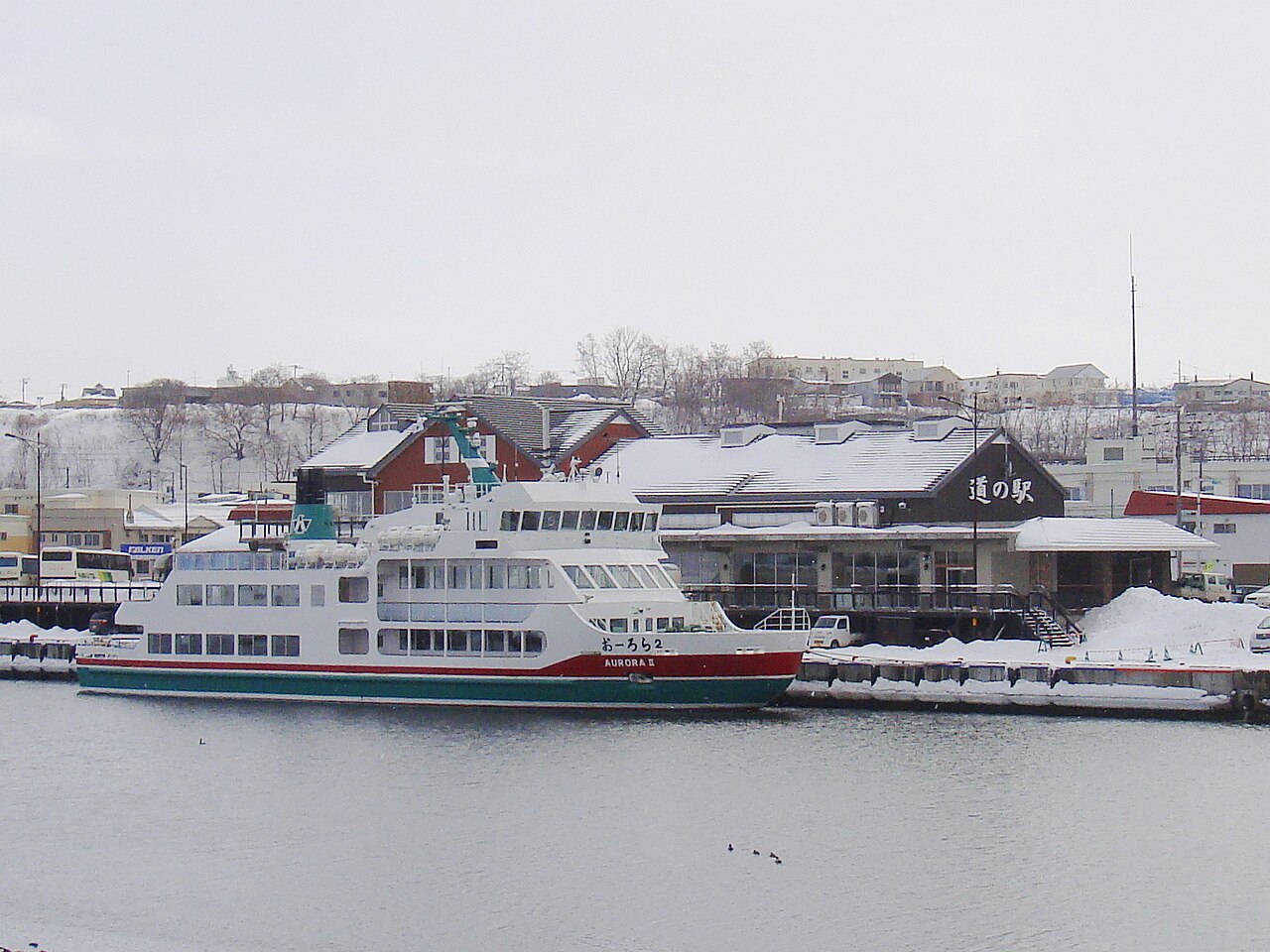
The largest town on the Okhotsk Coast, Abashiri exists in most people’s imagination for one reason: drift ice. From late January through March, pack ice from the Sea of Okhotsk reaches the shore here, turning the ocean into a field of white as far as you can see. The Aurora icebreaker cruise takes you through it for about an hour — the ship crunching through ice sheets while you stand on deck in -15°C air watching the frozen sea crack apart around you.
Beyond the ice, the Abashiri Prison Museum is unexpectedly fascinating. The former prison (operational until 1984) tells the story of how convict labour built Hokkaido’s roads and infrastructure. The attached cafeteria serves recreations of actual prison meals, which draws a certain type of curious visitor.
In spring, after the drift ice retreats, it leaves behind nutrients that feed the local crab population. Horsehair crab season (April-May) in Abashiri produces some of the best crab in Japan — the flavour is noticeably richer than what you’ll find in Sapporo’s tourist restaurants.
Getting there: Memanbetsu Airport (domestic flights from Tokyo and Sapporo), then 26-minute bus to Abashiri. Or JR train from Sapporo (~5.5 hours) or Kitami (~50 minutes). Covered by the JR Hokkaido Rail Pass.
Book a drift ice cruise: Klook
Shiretoko Peninsula — Japan’s Last Wilderness
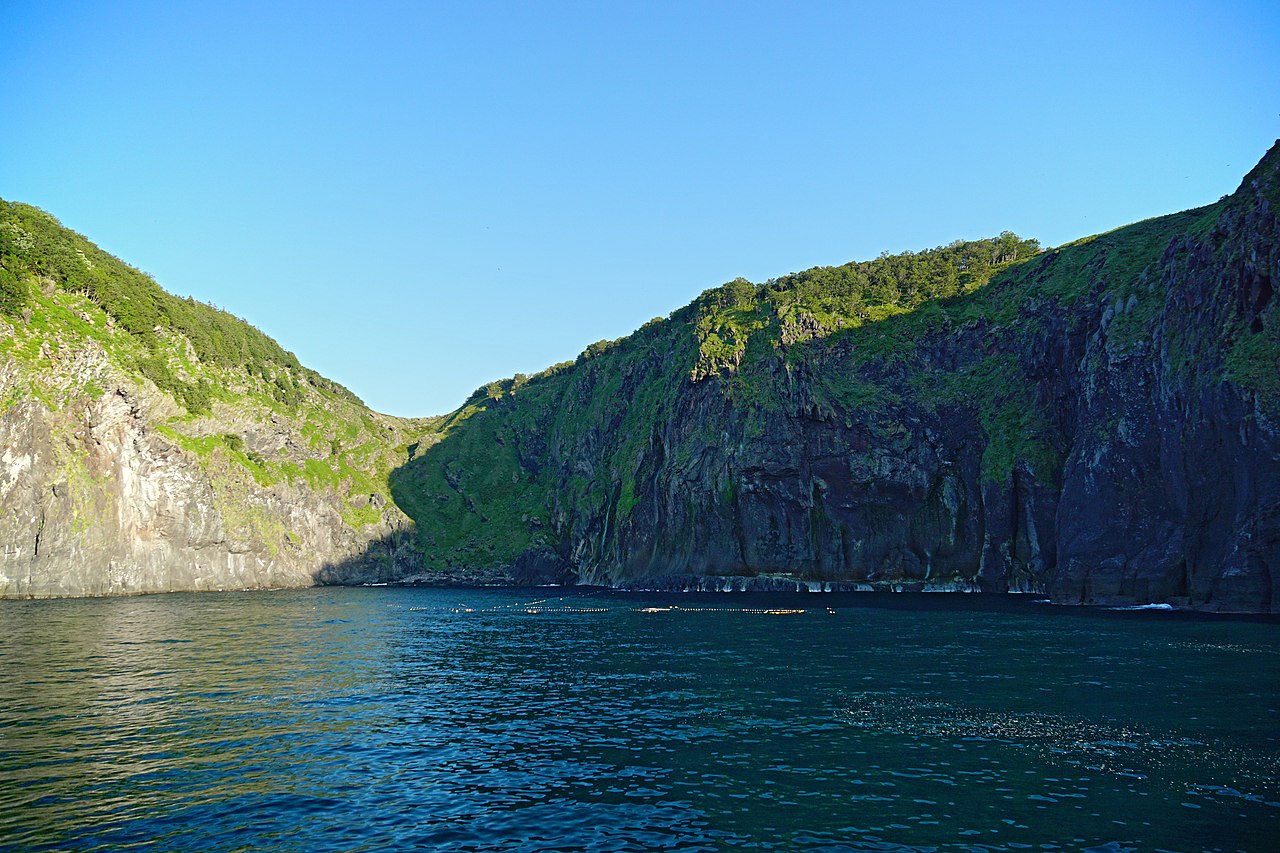
A UNESCO World Heritage Site since 2005, Shiretoko is one of the least-developed stretches of coastline in the developed world. Brown bears fish for salmon in the rivers, Steller’s sea eagles patrol the cliffs, and the forest has never been commercially logged. The name comes from the Ainu word “sir etok” meaning “the place where the earth protrudes” — the peninsula juts into the sea like a finger pointing at Russia.
In summer, hiking trails access waterfalls (Kamuiwakka Hot Falls, where a waterfall feeds natural hot spring pools you can bathe in), the Five Lakes boardwalk, and boat cruises along the wild western coast. Bear sightings on the boat cruises are common — the guides know where to look.
In winter, drift ice walking tours let you walk on the frozen sea itself, wearing a dry suit, occasionally falling through thin sections into the water below. It sounds extreme and it sort of is — but operators have done this safely for years.
Utoro on the western side is the main tourist base. Rausu on the eastern side is quieter and more rugged, with whale-watching opportunities.
Getting there: Memanbetsu Airport, then 90-minute drive or bus to Utoro. Or JR to Shiretoko-Shari station, then bus (50 minutes to Utoro). A car makes exploring the peninsula dramatically easier.
Akan-Mashu National Park — Volcanoes and Crater Lakes
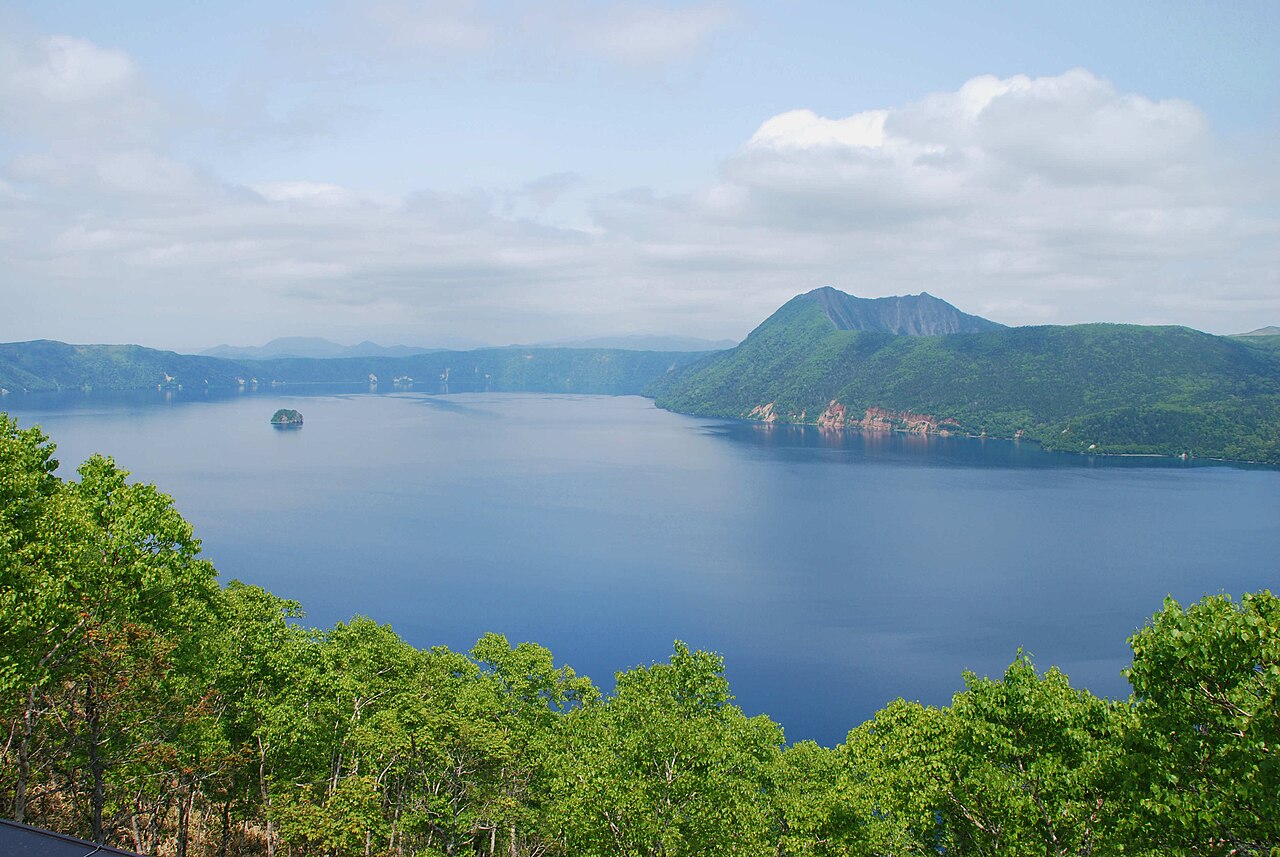
Three caldera lakes, an active volcano, and the strongest Ainu cultural presence in Hokkaido. Lake Akan is famous for marimo (spherical moss balls found almost nowhere else on earth) and for Ainu Kotan, a small village where Ainu artisans sell woodcarvings and perform traditional dances.
Lake Mashu, consistently rated one of the clearest lakes in the world, sits in a steep caldera that you view from the rim rather than the shore — there’s no road down to the water. On clear days the blue is almost unnatural. On foggy days (frequent), you see nothing, which has its own moody appeal.
Lake Kussharo, the largest caldera lake in Japan, has free outdoor hot spring baths along its shores where you can soak while watching swans on the lake. In winter, the hot springs keep patches of the shoreline ice-free, and whooper swans gather at these warm spots.
Kawayu Onsen, on the edge of the park, is a hot spring town with sulphur-rich acidic water that’s genuinely therapeutic (and genuinely smelly). The town has an old-fashioned, undiscovered feel that’s rare in Japan now.
Getting there: JR to Kawayu Onsen station (from Abashiri ~2.5 hours) or drive from Kitami (~2 hours). Local buses connect the lakes but are infrequent.
Kushiro — Cranes, Marshes, and Robata
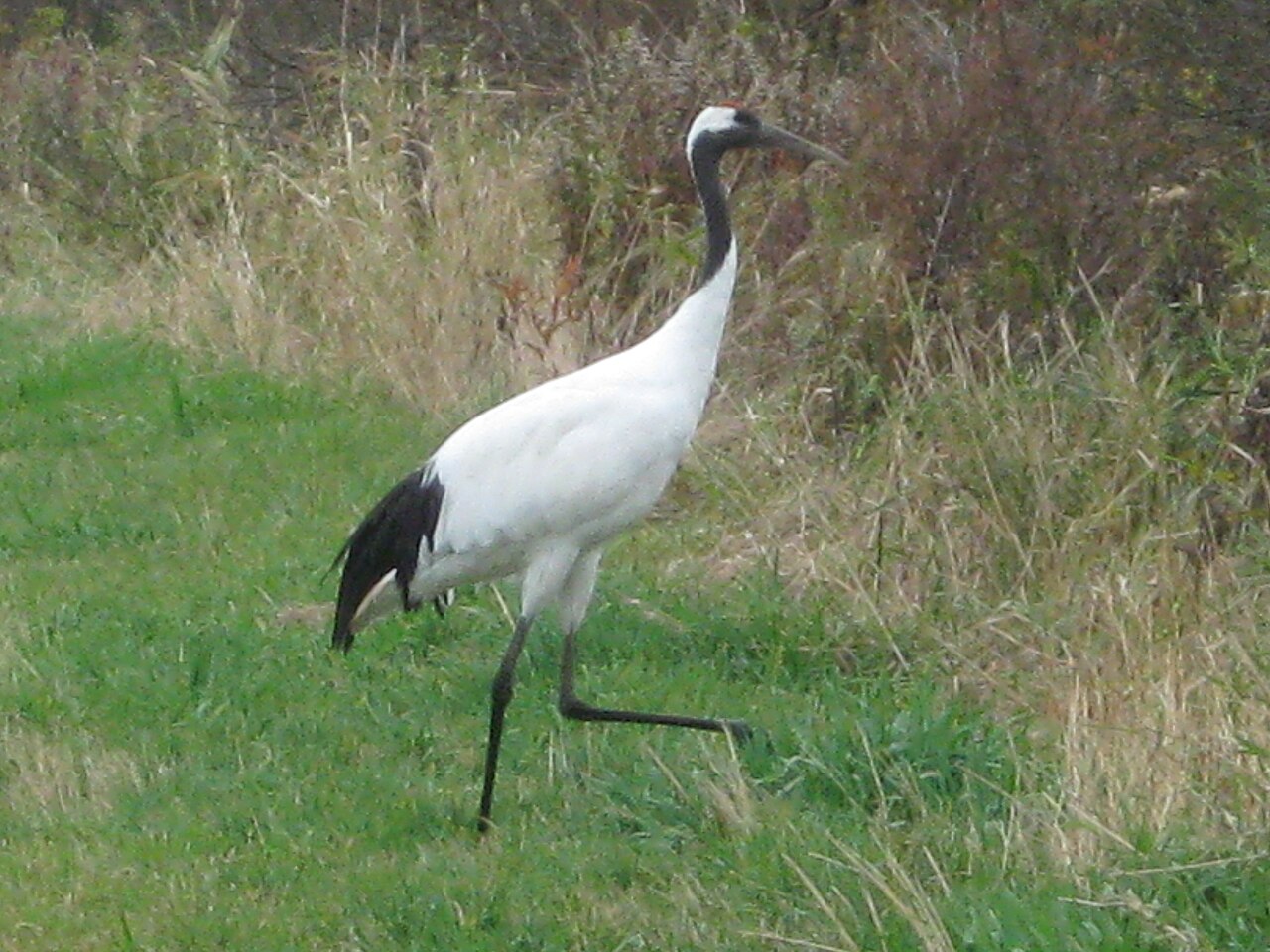
Japan’s largest wetland (Kushiro Marshland, 26,000 hectares) and the primary wintering ground for the red-crowned crane — a species that was thought extinct in Japan until a small population was rediscovered here in 1924. Today, over 1,000 cranes live in eastern Hokkaido, and winter feeding stations near Kushiro let you watch them dance, call, and interact from close range.
The Tancho Crane Sanctuary (Akan International Crane Centre) and the Tsurui-Ito Crane Sanctuary are the main viewing spots. December through February is prime season — the cranes gather at feeding stations against a backdrop of snow and frost, making for some of Japan’s most photogenic wildlife scenes.
Kushiro city itself is worth a meal stop for robata-yaki — charcoal-grilled seafood in the style that originated here. The Washo Fish Market operates like a more local, less touristy version of Sapporo’s Nijo Market.
Getting there: Kushiro Airport (domestic flights from Tokyo), or JR from Sapporo (~4 hours limited express). The marshland is accessible by car or the Norokko scenic train from Kushiro.
Kitami and Saroma — Yakiniku and Lake Sunsets
We’ve covered Kitami in detail in our Kitami hotel guide, but the short version: 70+ yakiniku restaurants, the Fox Farm, and a gateway to Lake Saroma’s epic sunsets. Less a destination in itself and more a comfortable, affordable base for exploring the Okhotsk region.
Lake Saroma, Japan’s third-largest lake, is separated from the Sea of Okhotsk by a narrow sandbar. The sunsets here — the sun dropping behind the sandbar with the lake turning orange — are some of the most photographed in Hokkaido.
You Need a Car
This is non-negotiable for any serious exploration of eastern Hokkaido. Trains exist but run only a few times daily on most routes, buses require advance reservation, and the distances between attractions make taxis impractical. A rental car costs approximately ¥5,000-8,000 per day and gives you the freedom to stop at viewpoints, reach trailheads, and visit places that are simply impossible to access by public transport.
Pick up at Memanbetsu Airport or Kushiro Airport. All major agencies have desks at both airports. In winter, all rental cars come with winter tires — but be honest about your winter driving experience before heading onto mountain roads. The coast road between Abashiri and Utoro can be challenging in blizzard conditions.
Driving times between key points:
| Route | Distance | Time |
|---|---|---|
| Abashiri → Utoro (Shiretoko) | 80 km | ~1.5 hours |
| Abashiri → Kitami | 50 km | ~1 hour |
| Utoro → Rausu | 50 km | ~1 hour (Shiretoko Pass, closed in winter) |
| Abashiri → Kawayu Onsen | 70 km | ~1.5 hours |
| Kawayu Onsen → Kushiro | 90 km | ~1.5 hours |
| Kushiro → Kitami | 170 km | ~3 hours |
| Sapporo → Abashiri | 340 km | ~5 hours |
More driving details in our road trip guide.
When to Go
Winter (January–March): The headline season. Drift ice, crane watching, and frozen landscapes. Cold is serious (-10 to -20°C) but that’s the point. Pack properly (see our packing list).
Summer (June–September): Shiretoko hiking, whale watching from Rausu, wildflowers, and comfortable 18–25°C temperatures. The longest daylight hours in Japan this far north. Less dramatic than winter but more comfortable.
Autumn (October–November): Foliage around the lakes is spectacular and nearly uncrowded. Salmon run up the rivers (and bears follow). Akan and Mashu are at their most photogenic.
Spring (April–May): Drift ice retreats, horsehair crab season begins, and the landscape thaws. A quieter shoulder season with good value on accommodation.
Sample 4-Day Eastern Hokkaido Route
Day 1: Fly into Memanbetsu Airport → pick up rental car → Abashiri (drift ice cruise or Prison Museum) → stay in Abashiri
Day 2: Drive to Shiretoko → Five Lakes walk → Kamuiwakka Falls (summer) or drift ice walk (winter) → stay in Utoro
Day 3: Drive south through Akan-Mashu National Park → Lake Mashu viewpoint → Lake Kussharo shoreline onsen → Ainu Kotan at Lake Akan → stay in Kawayu Onsen or Akanko Onsen
Day 4: Drive to Kushiro → crane sanctuary (winter) or marshland canoe/Norokko train (summer) → robata-yaki lunch → fly out from Kushiro Airport
This route works in either direction. Add a day for Kitami/Saroma if time allows.
Food Highlights
- Abashiri: Horsehair crab (April–May), kinki (channel rockfish), and fresh sea urchin
- Kitami: Yakiniku capital of Hokkaido — 70+ BBQ restaurants, local raw dipping sauce
- Kushiro: Robata-yaki (charcoal-grilled seafood), the style originated here
- Saroma: Scallops farmed in the lake, served everywhere locally
- Nemuro: Hanasaki crab and sanma (Pacific saury) — if you make it to Japan’s easternmost city
For Hokkaido trip planning including western Hokkaido, start with our First Time in Hokkaido guide. For the main tourist route, see our 7-day itinerary. For getting around the whole island, check our road trip guide and JR Pass calculator.