There’s no single best time to visit Hokkaido — it depends entirely on what you want to do. Each season transforms the island into something completely different, and that’s exactly what makes it worth visiting more than once.
In This Article
- Hokkaido at a Glance: Quick Season Guide
- January
- Weather
- Why Visit
- What’s On
- Crowds & Prices
- February
- Weather
- Why Visit
- What’s On
- Crowds & Prices
- March
- Weather
- Why Visit
- Crowds & Prices
- April
- Weather
- Why Visit
- Crowds & Prices
- May
- Weather
- Why Visit
- What’s On
- Crowds & Prices
- June
- Weather
- Why Visit
- What’s On
- Crowds & Prices
- July
- Weather
- Why Visit
- What’s On
- Crowds & Prices
- August
- Weather
- Why Visit
- What’s On
- Crowds & Prices
- September
- Weather
- Why Visit
- What’s On
- Crowds & Prices
- October
- Weather
- Why Visit
- What’s On
- Crowds & Prices
- November
- Weather
- Why Visit
- Crowds & Prices
- December
- Weather
- Why Visit
- What’s On
- Crowds & Prices
- Our Recommendations by Traveler Type
- Best for Skiers & Snowboarders
- Best for Flower Lovers
- Best for Foodies
- Best for Budget Travelers
- Best for Photography
- Best for Families
- Final Thoughts
This guide breaks down every month so you can match your trip to the experiences you’re after, whether that’s powder skiing, lavender fields, autumn foliage, or simply escaping the summer guide heat that grips the rest of Japan.
Hokkaido at a Glance: Quick Season Guide
| Season | Months | Best For | Crowds | Prices |
|---|---|---|---|---|
| Winter | Dec – Feb | Skiing, snow festivals, onsen, drift ice | High (ski resorts) | High (Niseko), moderate elsewhere |
| Spring | Mar – May | Cherry blossoms, shibazakura, fewer crowds | Low – Moderate | Low – Moderate |
| Summer | Jun – Aug | Lavender, hiking, festivals, cool weather | High (Jul–Aug) | High (Jul–Aug) |
| Autumn | Sep – Nov | Foliage, food festivals, onsen, photography | Moderate | Moderate |
January
Weather
Deep winter guide. Sapporo averages -4°C to -8°C, with heavy snowfall. Eastern Hokkaido can drop to -20°C or below. Snow is constant and deep — Sapporo averages over a metre of snow on the ground in January.
Why Visit
This is prime ski season. Niseko, Furano, and Rusutsu are in peak condition with Hokkaido’s legendary dry powder. Late January brings the start of drift ice season along the Sea of Okhotsk coast near Abashiri — a rare natural phenomenon where sea ice floats down from Russia. It’s also the quietest winter month before the Snow Festival crowds arrive in February.
What’s On
- Ski season in full swing at all resorts
- Drift ice begins forming off Abashiri coast
- Lake Shikotsu Ice Festival (late January)
- Asahikawa Winter Festival preparations
Crowds & Prices
Moderate. Ski resorts are busy (especially Niseko with international visitors), but cities are quiet. Accommodation prices are high in resort areas, reasonable in Sapporo.
February
Weather
The coldest month. Similar to January but often with even heavier snowfall. Expect -4°C to -10°C in Sapporo. Brilliant blue skies between snowstorms.
Why Visit
February is Hokkaido’s marquee winter month. The Sapporo Snow Festival, one of Japan’s biggest events, draws over two million visitors with its incredible ice and snow sculptures in Odori Park and Susukino. Ski conditions remain excellent. Drift ice reaches its peak extent, and icebreaker cruises from Abashiri are a unique experience.
What’s On
- Sapporo Snow Festival (early February) — Hokkaido’s biggest event
- Asahikawa Winter Festival
- Otaru Snow Light Path Festival — candles and lanterns along the canal
- Sounkyo Ice Waterfall Festival
- Drift ice at peak — icebreaker cruises from Abashiri
- Lake Shikotsu Ice Festival continues
Crowds & Prices
Peak winter season. Snow Festival week is the busiest time of year in Sapporo — book accommodation months in advance. Expect premium pricing across the board. Ski resorts remain packed.
March
Weather
Winter slowly loosens its grip. Temperatures hover around -2°C to 4°C. Snow is still deep but beginning to thaw. Late-season skiing can be excellent with sunny spring conditions.
Why Visit
March is an underrated shoulder season. Ski resorts are less crowded and often offer discounted lift passes for spring skiing. You get winter scenery without the extreme cold or the February crowds. Drift ice is still visible early in the month. It’s too early for cherry blossoms (those come in May in Hokkaido), so this is genuinely off-peak.
Crowds & Prices
Low. One of the best value months to visit. Accommodation prices drop significantly after Snow Festival. Ski areas are quieter.
April
Weather
Spring begins in earnest. Temperatures range from 3°C to 12°C. Snow melts in the lowlands but persists in the mountains. Some ski areas stay open into April for spring skiing.
Why Visit
A transitional month with late-season snow activities and the first signs of spring. The landscape shifts from white to green. While mainland Japan’s cherry blossoms are finishing, Hokkaido’s haven’t started yet — which means low tourist numbers and good prices. Hakodate’s cherry blossoms sometimes begin in late April.
Crowds & Prices
Very low. Excellent value. Many tourists skip this month entirely, which makes it great for budget travelers who don’t need specific seasonal experiences.
May
Weather
Comfortably cool spring weather. Sapporo averages 12°C to 17°C. Occasional rain. The last of the snow melts from the lower mountains.
Why Visit
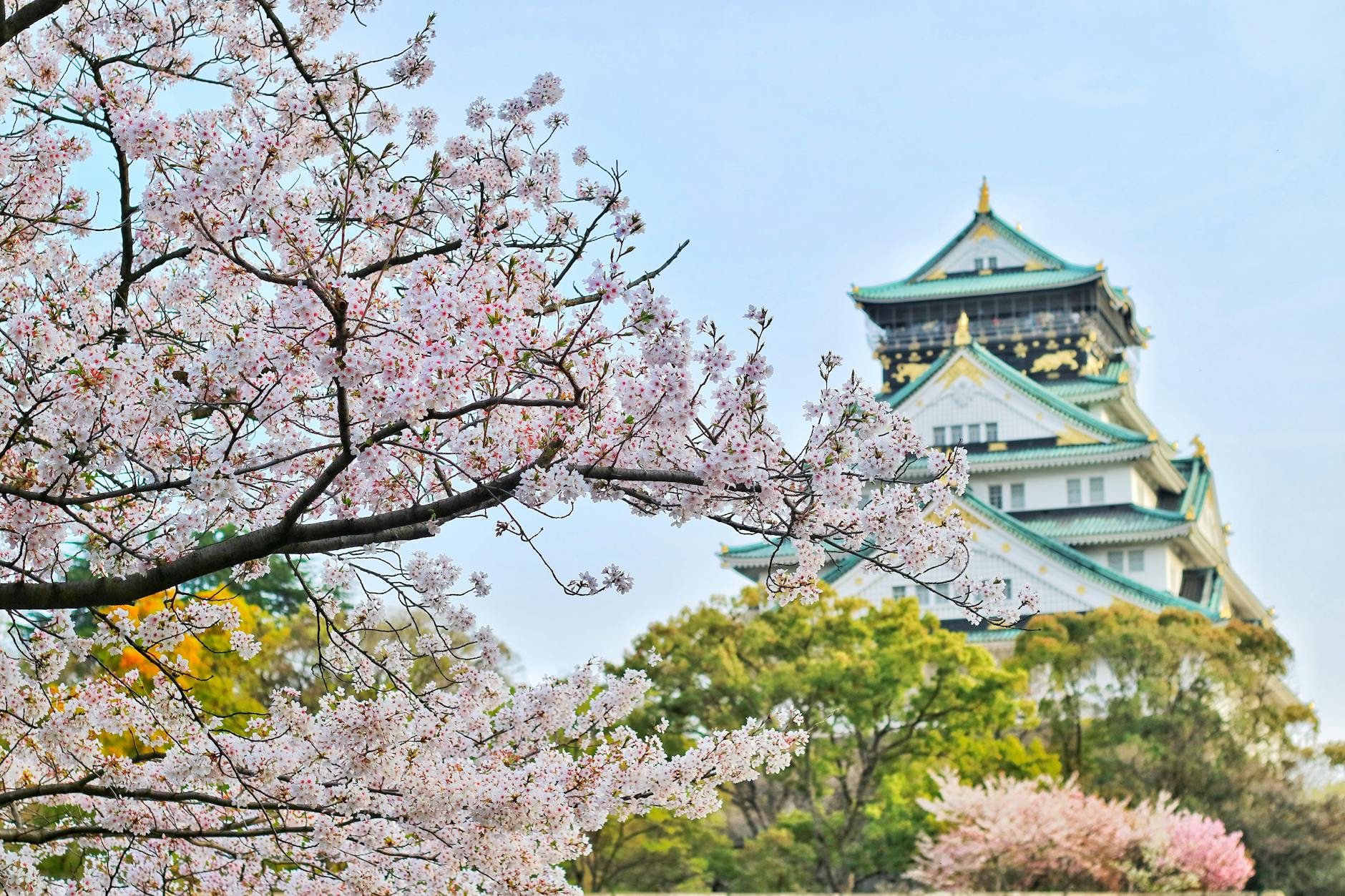
Cherry blossom season hits Hokkaido in early to mid-May — roughly a month after Tokyo. Matsumae, Hakodate’s Goryokaku fort, and Sapporo’s Maruyama Park are beautiful spots. Late May brings shibazakura (moss phlox) season with carpets of pink flowers at places like Takinoue Park and Higashimokoto. Green landscapes return, and hiking season begins.
What’s On
- Cherry blossoms across Hokkaido (early–mid May)
- Shibazakura (moss phlox) blooms (late May–early June)
- Sapporo Lilac Festival (late May)
- Hiking trails begin opening
Crowds & Prices
Moderate. Golden Week (late April–early May) brings domestic tourists, but otherwise manageable. Good value outside Golden Week.
June
Weather
Early summer. Temperatures of 15°C to 21°C. Hokkaido largely avoids the tsuyu (rainy season) that affects the rest of Japan, though some rain is normal. Long daylight hours.
Why Visit
This is one of Hokkaido’s best-kept secrets. While Honshu sweats through rainy season, Hokkaido stays relatively dry and pleasant. Flower season kicks into gear with lupins, iris, and early lavender. The Yosakoi Soran Festival in Sapporo is a massive, energetic dance festival that draws teams from across Japan. Hiking conditions are excellent.
What’s On
- Yosakoi Soran Festival (early June) — massive dance festival in Sapporo
- Early flower season (lupins, iris)
- Hiking trails fully open
Crowds & Prices
Low to moderate. One of the best value-for-experience months. The weather is lovely, crowds are thin, and prices are reasonable.
July
Weather
Warm and comfortable. Sapporo averages 20°C to 25°C. This is Hokkaido’s most pleasant summer month while the rest of Japan endures intense heat and humidity. Occasional rain but generally sunny.
Why Visit
Peak lavender season in Furano and Biei (mid-July is prime time). The patchwork flower fields of Farm Tomita and Shikisai no Oka are iconic Hokkaido summer images. Outdoor activities — hiking, cycling, rafting, camping — are at their best. The temperature difference between Hokkaido’s comfortable 22°C and Tokyo’s sweltering 35°C+ makes this a popular escape for domestic tourists.
What’s On
- Lavender season in Furano (peaks mid-July)
- Flower fields in Biei
- Hokkaido Shrine Festival (mid-June into July)
- Summer festivals begin
- Outdoor adventure season peaks
Crowds & Prices
High. This is peak summer season. Furano area accommodation books up well in advance. Domestic tourists flock to Hokkaido for the cool weather. Prices rise, especially around lavender season.
August
Weather
Warmest month. Sapporo averages 22°C to 26°C — occasionally hitting 30°C+, though still far more comfortable than mainland Japan. Humidity is low by Japanese standards.
Why Visit
Summer festivals are in full swing. Lavender finishes but sunflower fields take over (Hokuryu in particular has a massive sunflower garden). Obon holiday (mid-August) is Japan’s second-busiest travel period after Golden Week, so expect domestic crowds. Late August sees things calm down noticeably.
What’s On
- Sunflower season (Hokuryu, Biei)
- Bon Odori dance festivals
- Hokkaido beer gardens in Sapporo
- Fireworks festivals across the island
- Late summer hiking at higher elevations
Crowds & Prices
High, especially around Obon (Aug 13–16). Prices are premium. Late August offers better value as crowds thin.
September
Weather
Early autumn. Temperatures ease to 16°C to 22°C. Comfortable and pleasant with clear skies. The occasional typhoon influence can bring rain, though Hokkaido rarely gets direct typhoon hits.
Why Visit
Autumn foliage starts in Hokkaido’s mountains from mid-September — a full month before Honshu. Daisetsuzan National Park sees the first colours in Japan, with mountain peaks turning red and gold. The Sapporo Autumn Fest food festival brings outdoor eating and drinking along Odori Park. It’s an excellent time to visit with good weather, manageable crowds, and the first fall colours.
What’s On
- Sapporo Autumn Fest (September–October) — food and drink festival in Odori Park
- Early autumn foliage in Daisetsuzan mountains
- Grape and wine harvesting season
- Late hiking season
Crowds & Prices
Moderate. A sweet spot — summer crowds have gone, autumn crowds haven’t fully arrived. Good value.
October
Weather
Proper autumn. Temperatures of 8°C to 15°C. Crisp, cool air. First frosts at higher elevations. Beautifully clear days mixed with overcast periods.
Why Visit
Peak autumn foliage sweeps down from the mountains into the lowlands. Jozankei Onsen (near Sapporo), Lake Toya, and Noboribetsu are spectacular with autumn colours framing hot springs. Driving routes through Daisetsuzan are incredible. It’s a photographer’s paradise. The food is outstanding — autumn is harvest season for salmon, potatoes, corn, and other Hokkaido staples.
What’s On
- Peak autumn foliage (early–mid October in lowlands)
- Sapporo Autumn Fest continues
- Onsen season ramps up
- Salmon runs in eastern Hokkaido rivers
Crowds & Prices
Moderate. Foliage weekends at popular spots can be busy, but nowhere near summer or winter peak levels. Very good value overall.
November
Weather
Late autumn transitioning to winter. Temperatures of 1°C to 8°C. First snowfalls typically arrive in Sapporo around early to mid-November. The mountains are already white.
Why Visit
November is the quietest month for tourism. It’s between seasons — foliage is finishing, snow hasn’t fully set in, and ski resorts are just beginning to open (usually late November). If you don’t need specific seasonal experiences and want Hokkaido almost to yourself with the lowest prices of the year, this is your month. Early season ski opportunities at resorts with snowmaking.
Crowds & Prices
Lowest of the year. Excellent deals on accommodation and flights. A genuine off-peak experience.
December
Weather
Winter arrives in full. Temperatures of -2°C to -6°C in Sapporo. Heavy snowfall begins. By late December, the snow is deep and consistent.
Why Visit
Ski season opens properly at all major resorts. The Christmas/New Year period is festive — Sapporo White Illumination lights up the city, and there’s a special atmosphere to Hokkaido in the snow. The holiday period (Dec 25–Jan 3) is expensive and crowded, but early December is quieter and more affordable with perfectly good snow conditions.
What’s On
- Ski resorts fully open
- Sapporo White Illumination (November–December)
- Christmas markets and events
- Hakodate Christmas Fantasy (Bay Area)
Crowds & Prices
Early December: low crowds, good value. Late December: high crowds and premium holiday pricing, especially at ski resorts. Book well in advance for the Christmas–New Year period.
Our Recommendations by Traveler Type
Best for Skiers & Snowboarders
January or early March. January has the best powder, March has spring skiing with warmer temps and lower prices.
Best for Flower Lovers
Mid-July for lavender. May for cherry blossoms. Late May for shibazakura. August for sunflowers.
Best for Foodies
September–October. Harvest season means the freshest ingredients. Sapporo Autumn Fest runs through both months. Crab season is also beginning.
Best for Budget Travelers
November, April, or June. These shoulder months offer the lowest prices and thinnest crowds while still providing enjoyable experiences.
Best for Photography
October for autumn colours. February for snow and ice festivals. July for flower fields.
Best for Families
July–August for outdoor activities and pleasant weather. February for Snow Festival (book early). Avoid Golden Week and Obon for overwhelming crowds.
Final Thoughts
Every month in Hokkaido has something to offer. The real question isn’t when is the best time — it’s what experience are you looking for? Match your interests to the right month and you’ll have an incredible trip regardless of season.
Ready to start planning? Check our First Time in Hokkaido guide for practical essentials, or jump to Where to Stay in Sapporo to find the right base for your trip.