Sapporo invented miso ramen in the 1950s and has been perfecting it ever since. The city has hundreds of ramen shops, from cramped eight-seat counters run by the same family for decades to flashy newer spots trying to reinvent the bowl. Some are brilliant. Some are living off reputation. Here are the ones actually worth eating at, plus a few that aren’t miso because Sapporo travel guide does other styles well too.
In This Article
- Ramen Yokocho (Ramen Alley) — Susukino
- Ramen no Shigen
- Daruma
- Sumire — The Rich One
- Menya Saimi — Best for Flavour Balance
- Ebisoba Ichigen — Something Different
- Yukikaze — Miso Done Right, No Frills
- Ramen Republic — Sapporo Station
- Sapporo Fujiya — The Old-School Classic
- Shingen — Worth the Suburban Trip
- Ramen Shirakaba Sanso — Mountain Hut Vibes
- Beyond Miso: Other Styles in Sapporo
- Nanakamado — Best Shoyu
- Aji no Tokeidai — Shio Option
- How to Order Ramen in Sapporo
- Ramen Tips for Sapporo
A quick note on queues: Sapporo’s best ramen shops almost always have a line. Peak lunch (11:30–13:00) and dinner (18:00–20:00) are the worst. Go at 14:00 or 21:00 and you’ll usually walk straight in.
Ramen Yokocho (Ramen Alley) — Susukino
The most famous ramen spot in Sapporo is actually a narrow alley with about 17 tiny shops crammed together. It’s been here since 1951 and the atmosphere is part of the experience — plastic stools, steam, counter service, and the sound of slurping from every direction.
Not every shop in the alley is great. Some coast on the location. But a few are genuinely worth it:
Ramen no Shigen
Probably the most consistent shop in the alley. Their miso ramen uses a rich pork bone base with a heavy miso hit and comes topped with a generous pile of stir-fried bean sprouts, ground pork, and green onions. The portion is big. The broth is thick enough to coat the curly noodles properly. Around ¥900–¥1,000.
Daruma
Famous for being one of the originals in the alley. The miso is solid if not spectacular — you’re paying partly for history. The shop fits maybe six people and the owner works the counter alone some nights. It can feel rushed when there’s a queue outside, which is most of the time.
Getting there: Susukino Station exit 3, walk south past the main intersection. The alley is between two buildings on the left — easy to miss if you’re not looking for it.
Hours: Most shops open around 11:00 and close between 1:00–3:00 AM. Perfect for late-night eating.
Sumire — The Rich One
If you want the most intensely flavoured miso ramen in Sapporo, Sumire is the answer. The broth is almost aggressively rich — thick, oily, and deeply savoury in a way that borders on overwhelming. They use a layer of lard on top that keeps the soup scalding hot all the way to the bottom of the bowl. The noodles are medium-thick and wavy.
Some people think it’s the best ramen in the city. Others find it too heavy. There’s no middle ground with Sumire. Worth trying once either way, because you’ll have a strong opinion.
The original shop is in Nakanoshima (a suburb), but they have a branch at the Ramen Republic food court near Sapporo Station, which is more convenient.
Price: Around ¥900–¥1,050
Location: Original in Nakanoshima (taxi recommended) or Ramen Republic (Sapporo Station, Esta building 10F)
Menya Saimi — Best for Flavour Balance
A newer shop that’s earned a strong reputation for doing miso ramen with more finesse than the old-school places. The broth is rich but not as heavy as Sumire, with a cleaner finish and better balance between the miso, pork, and a subtle seafood undercurrent. The chashu (pork slices) are properly tender, not the chewy afterthought some shops serve.
Less well-known with tourists, which means shorter queues. Locals rate this one highly.
Price: Around ¥900–¥1,100
Location: Central Sapporo, south of Odori
Ebisoba Ichigen — Something Different
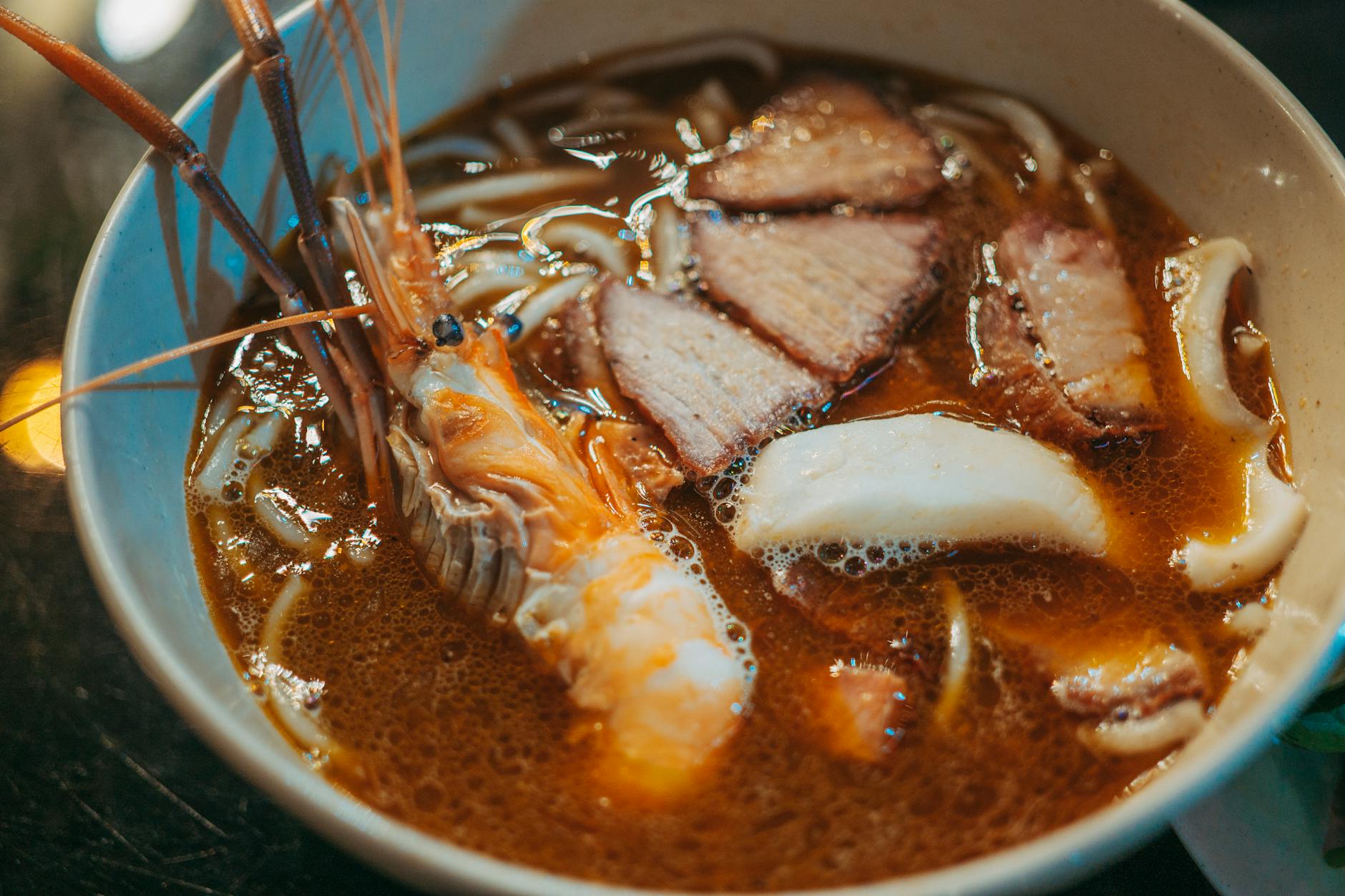
If you want a break from miso, Ichigen’s signature bowl uses shrimp (ebi) in the broth, giving it a distinct orange colour and sweet, shellfish-forward flavour that’s unlike anything else in the city. It’s rich but in a completely different way to miso ramen. The “ebi-miso” option combines their shrimp base with miso for the best of both worlds.
This is the shop that Sapporo ramen nerds argue about. Some call it gimmicky. Most agree the flavour is genuinely interesting and well-executed.
Price: Around ¥850–¥1,000
Location: Near Susukino Station. They also have an airport branch at New Chitose if you want a last bowl before flying out.
Yukikaze — Miso Done Right, No Frills
A small shop that does excellent miso ramen without the theatrics. The broth has depth but isn’t trying to knock you over. Good noodles, proper toppings, fair prices. It’s the kind of place where the regulars go twice a week because it’s reliably good, not because it’s trendy. Exactly the shop most tourists walk past without noticing.
Price: Around ¥850–¥950
Location: Kita 6, a few blocks north of Sapporo Station
Ramen Republic — Sapporo Station
Not a single shop but a food court on the 10th floor of the Esta building at Sapporo Station. Eight ramen shops from across Hokkaido gathered in one place, each with their own counter. It’s a tourist-oriented setup but the quality is legitimate — these are branches of respected shops, not generic imitations.
Good for: first-timers who want to try different styles without committing, anyone arriving hungry from the airport, or rainy days when you don’t want to walk far.
Price: ¥850–¥1,200 per bowl
Location: Esta building 10F, directly connected to Sapporo Station
Hours: 11:00–22:00 (last order 21:45)
Sapporo Fujiya — The Old-School Classic
Open since 1951, Fujiya is one of the oldest ramen shops in Sapporo still operating. The miso ramen here is straightforward and traditional — no modern twists, no fusion experiments. Just good broth, good noodles, and the feeling of eating somewhere that hasn’t changed its recipe in 70 years. The shop itself looks like it hasn’t changed either.
Price: Around ¥800–¥950
Location: Near Susukino
Shingen — Worth the Suburban Trip
Regularly appears on “best ramen in Sapporo” lists despite being slightly outside the central area. Shingen’s miso ramen uses a blend of three different misos, creating a complex flavour that evolves as you eat. The texture of the broth changes from top to bottom. The shop is small, the queue is real, and the trip out to Minami-Hiragishi Station is a minor commitment, but people keep going back.
Price: Around ¥870–¥980
Location: Near Minami-Hiragishi Station (Namboku Line, 15 minutes from Odori)
Ramen Shirakaba Sanso — Mountain Hut Vibes
The interior is designed to look like a mountain lodge, which sounds cheesy but actually works. More importantly, the miso ramen is excellent and portions are enormous. They’re known for using a lot of vegetables in the topping — bean sprouts, onions, cabbage — which gives the bowl a slightly lighter feel despite the rich broth. Good if you want something hearty without feeling like you swallowed a brick.
Price: Around ¥900–¥1,050
Location: East Sapporo, near Kikusui Station
Beyond Miso: Other Styles in Sapporo
Nanakamado — Best Shoyu
Sapporo is miso territory, so finding great soy sauce (shoyu) ramen here is unusual. Nanakamado’s shoyu is clean, deeply savoury, and uses a chicken-based broth that’s lighter than the miso shops. The chashu is notably good. A solid change of pace if you’ve had three miso bowls in a row and your body is asking for mercy.
Aji no Tokeidai — Shio Option
Salt-based (shio) ramen isn’t Sapporo’s specialty — that’s Hakodate’s thing. But Tokeidai does a very credible version with a clear, delicate broth that showcases the quality of the ingredients rather than burying them in miso. Good for lighter appetites or hot weather visits.
How to Order Ramen in Sapporo
Most ramen shops in Sapporo use a ticket vending machine (kenbaiki) at the entrance. Put in money, press the button for what you want, hand the ticket to the chef. No Japanese required — the buttons usually have photos, and many machines now have an English option.
Standard order: regular miso ramen (¥850–¥1,000). Common add-ons: extra chashu (¥200–¥300), corn and butter (¥100–¥200), extra noodle serving (¥100–¥150, called kaedama).
Rice is usually free or ¥100. Most shops have gyoza (dumplings) as a side for ¥300–¥400.
Ramen Tips for Sapporo
- Slurp. It’s not rude. It aerates the noodles and is how locals eat ramen. Silent eating is the weird thing here.
- Eat fast. Ramen is not a lingering meal. The noodles absorb broth and get soft quickly. Ten to fifteen minutes is normal.
- Go hungry. Portions are generous. If you’re planning to eat at two ramen shops in one day (no judgement), go for a half-size at one of them if available.
- Cash is king. Most ramen shops are cash-only. The vending machine won’t take your credit card.
- Skip the tourist-packed shops if there’s a local shop next door with a shorter queue. The quality difference is usually negligible, and you’ll get a more authentic experience.
For the full picture of Hokkaido’s food scene beyond ramen, see our Hokkaido Food Guide: 20 Dishes You Must Try. Ramen is just the start.