
Most visitors treat Asahikawa as a pit stop. They come for the zoo, eat ramen, and drive on to Furano or Biei. This is understandable — Asahiyama Zoo is excellent and the ramen is genuinely worth the trip — but Asahikawa has enough going on to warrant more than a quick stop, especially if you are heading into the Daisetsuzan mountains.
In This Article
Hokkaido’s second-largest city (population 330,000) sits at the confluence of several rivers in the centre of the island. It records the coldest temperatures of any major Japanese city — the all-time low of -41 degrees in 1902 remains unbroken. In summer it can hit 30+ degrees, giving it the widest temperature range in Japan. The locals are used to extremes.
Asahiyama Zoo
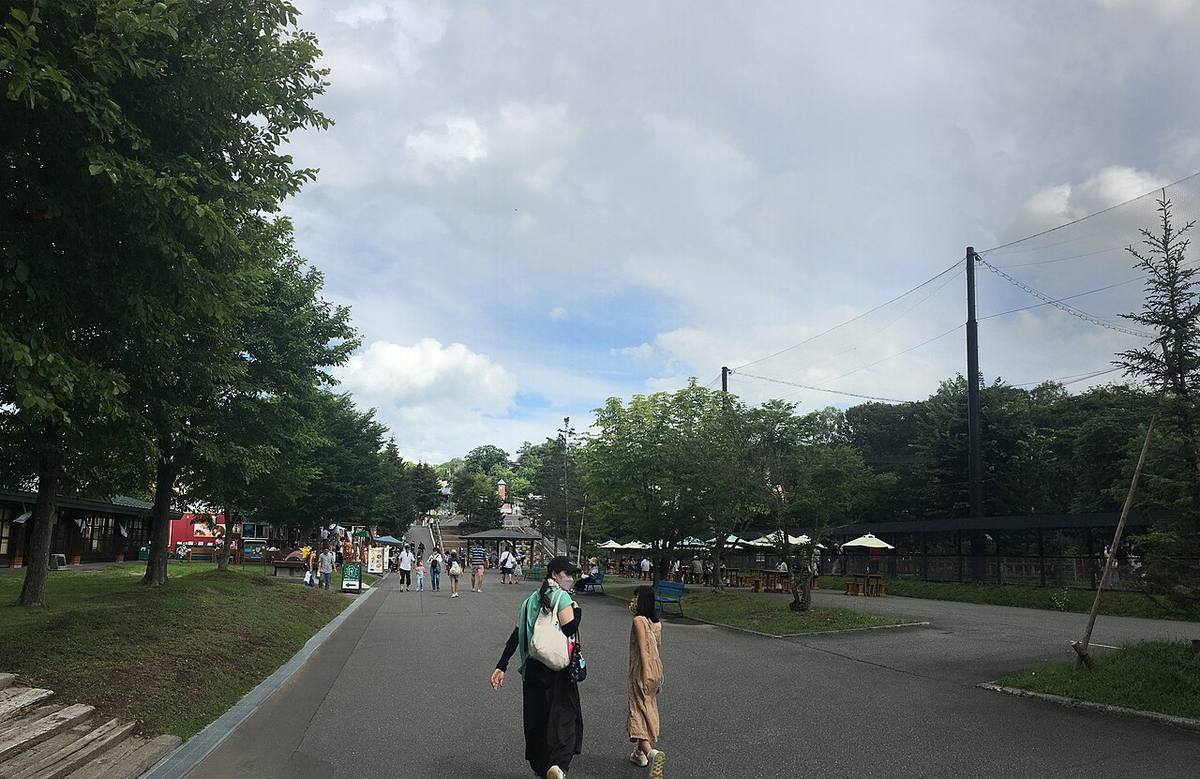
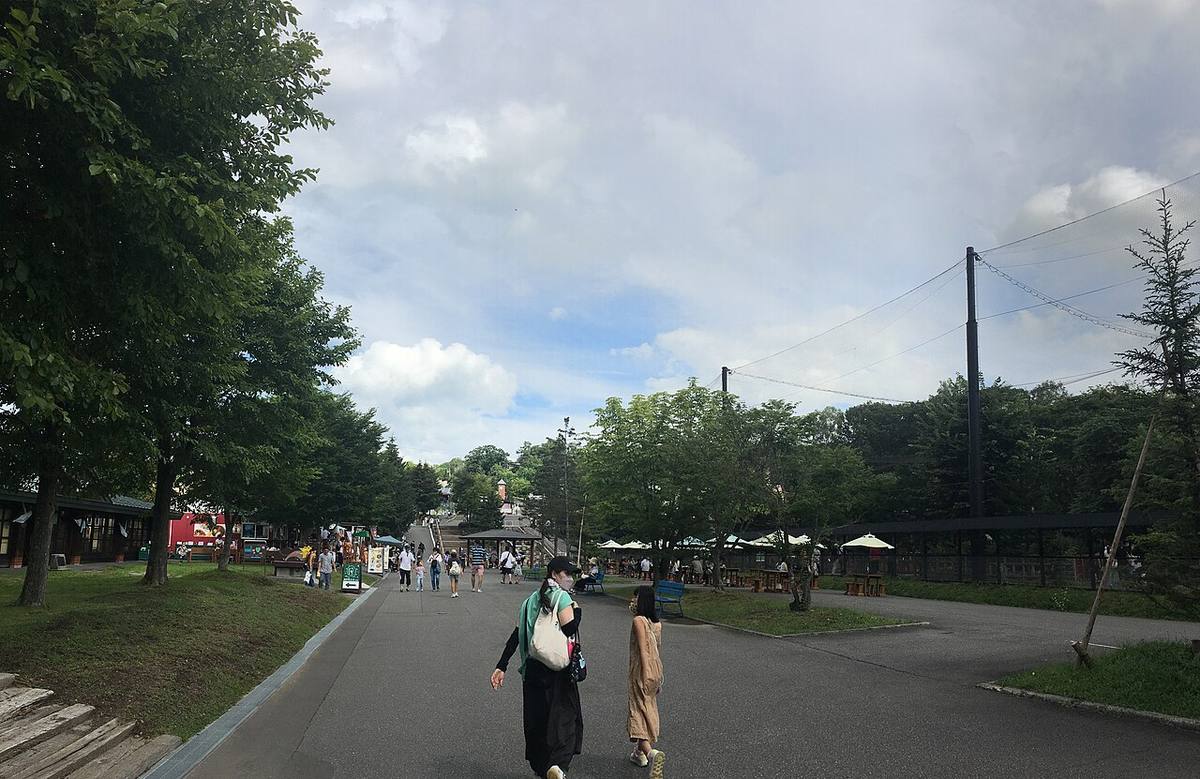
We have a dedicated guide: Asahiyama Zoo: Is It Worth the Trip?. The short version: yes, especially in winter for the penguin walk and with kids for the seal tunnel and polar bear pool. Free entry for under-15s.
Asahikawa Ramen
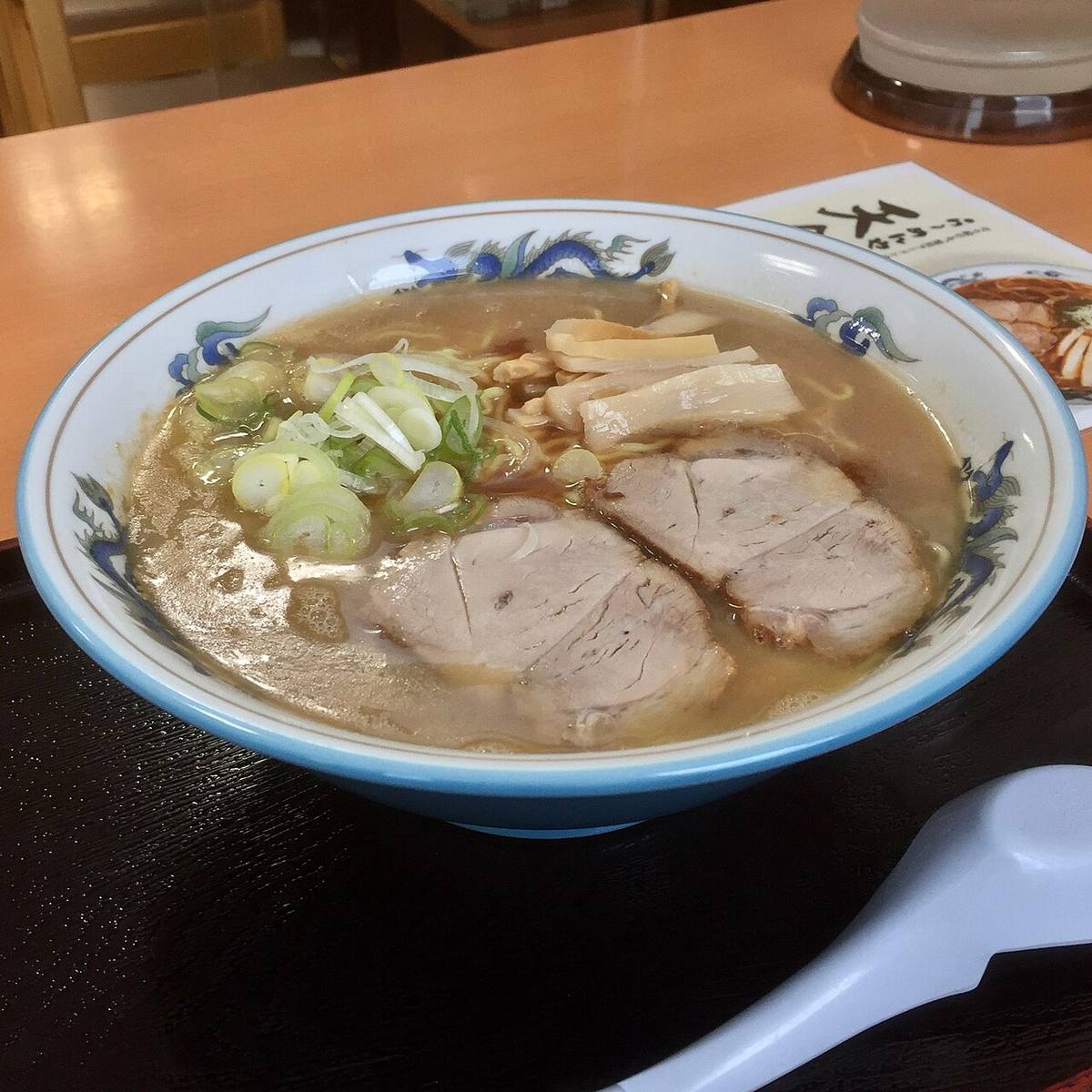
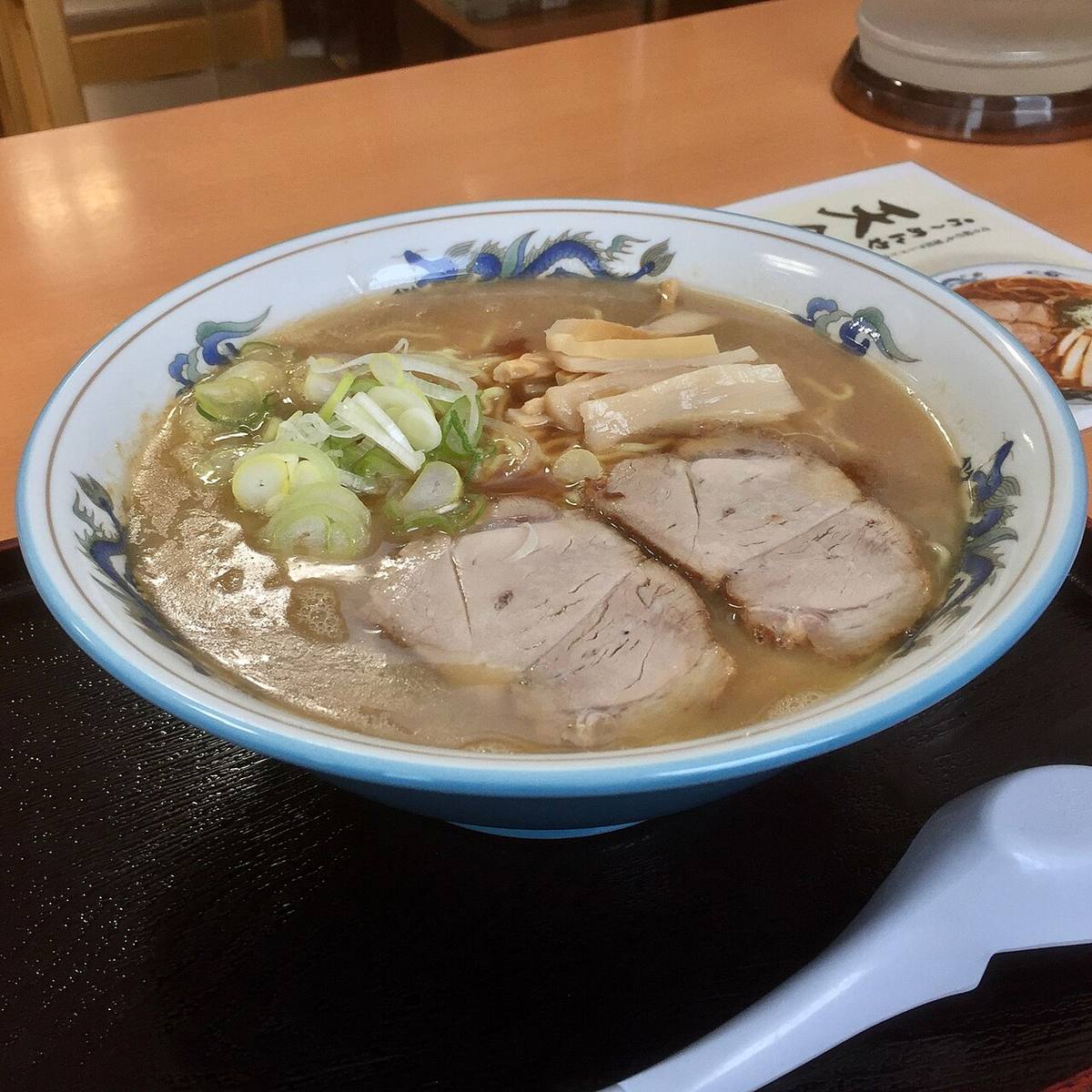
Asahikawa ramen is the third of Hokkaido’s big three styles (alongside Sapporo miso and Hakodate shio). The distinguishing feature: a shoyu (soy sauce) base using a double-soup technique that layers pork bone and fish broths. A thin film of oil sits on the surface, designed to keep the broth hot in Asahikawa’s extreme cold. The result is rich, deeply savoury, and different enough from Sapporo-style to make the trip worthwhile for ramen fans.
Asahikawa Ramen Village near the station has eight shops under one roof, each serving a different interpretation of the local style. It is a food-court setup rather than individual restaurants, but the ramen quality is genuine. Good for trying the style without researching individual shops.
For ramen across all three Hokkaido styles, see our ramen guide.
Daisetsuzan National Park
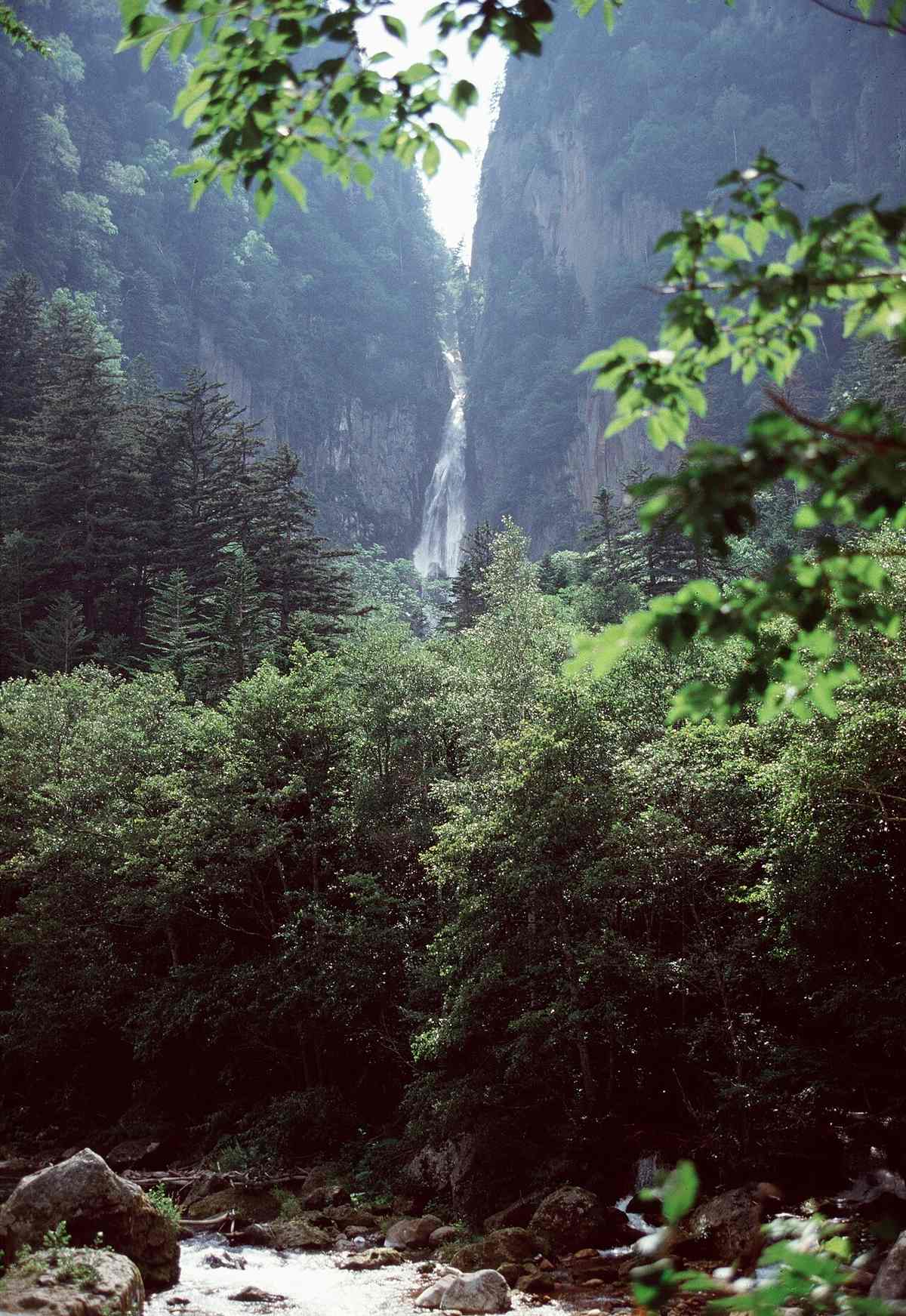
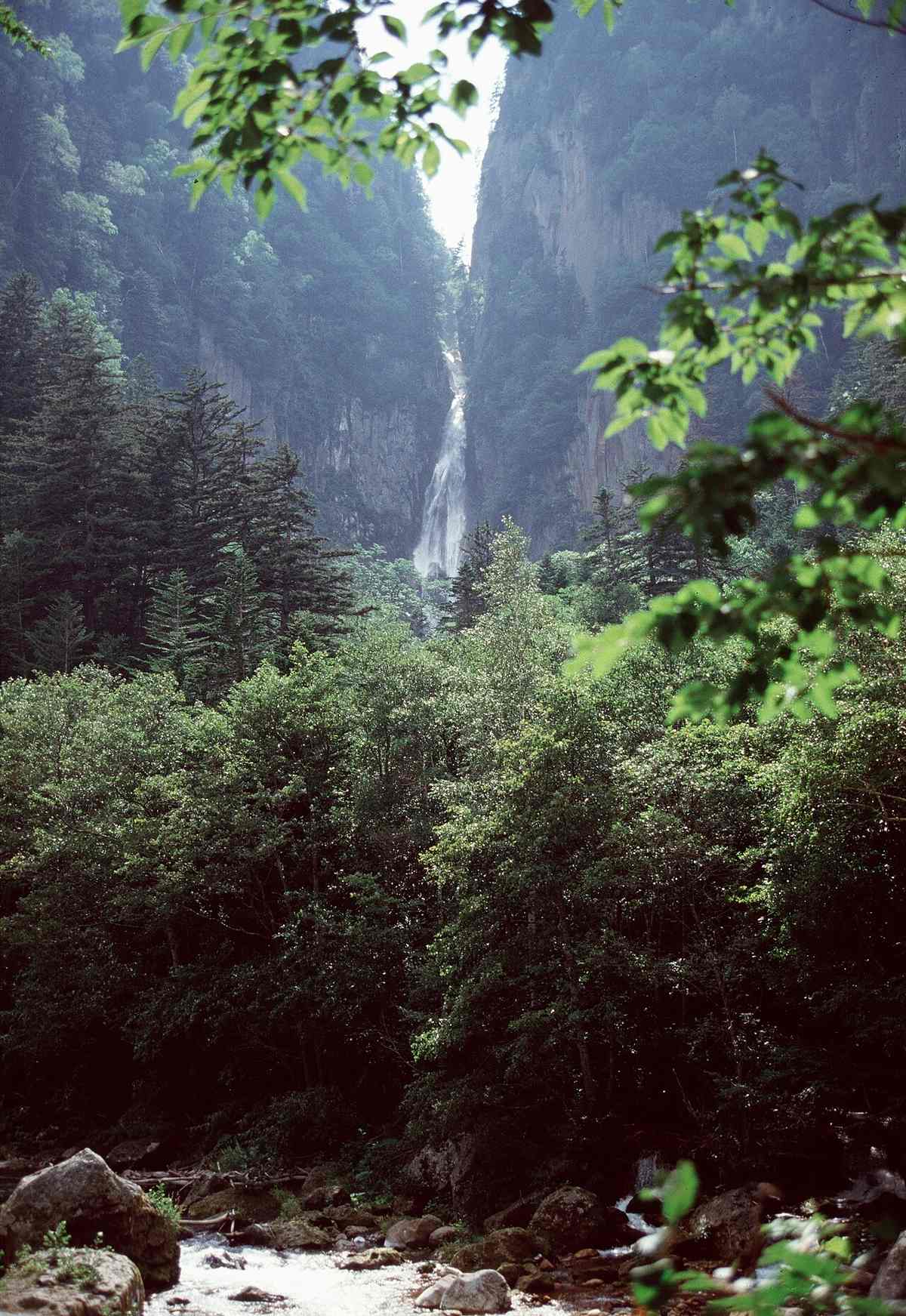
Japan’s largest national park starts at Asahikawa’s doorstep. The Asahidake Ropeway (30 minutes from the city by car) lifts you to 1,600 metres, where alpine wildflower meadows, volcanic steam vents, and hiking trails extend across a vast mountain plateau. From the ropeway station, trails lead to the summit of Mount Asahidake (2,291m, Hokkaido’s highest peak) — a strenuous but technically straightforward day hike in summer.
In autumn (mid-September), Daisetsuzan has the earliest foliage in Japan. The mountainsides turn red, orange, and gold a full month before Tokyo. See our autumn guide.
In winter, the ropeway provides access to backcountry ski terrain with deep, untracked powder. This is expert-only terrain with no grooming and avalanche risk — hire a guide.
Other Things to Do
Otokoyama Sake Brewery
A working sake brewery with a free museum and tasting room. Otokoyama is one of the oldest and most respected sake brands in Hokkaido, using the clean water from the Daisetsuzan mountains. The museum covers the brewing process and the history of sake in Hokkaido. The tasting room offers samples of current releases. Allow 1 hour.
Design Craft Village
A collection of craft workshops in the suburbs where artisans work in wood, glass, leather, and textiles. You can watch craftspeople at work and purchase directly. The quality is high and the prices reflect it. Less touristy than Otaru’s glass shops.
Snow Crystal Museum
A museum dedicated to the science and beauty of snowflakes, inspired by the work of physicist Ukichiro Nakaya who conducted pioneering snow crystal research at Hokkaido University. The building itself is striking. Niche interest, but atmospheric on a cold day.
Where to Stay
Most visitors do Asahikawa as a day trip from Sapporo (85 minutes by limited express) or en route to eastern Hokkaido. If you stay overnight:
- JR Inn Asahikawa — connected to the station, convenient and modern
- Art Hotel Asahikawa — slightly more character than business hotels, good restaurant
- Asahidake Onsen hotels — if you want to hike Daisetsuzan, stay at one of the small onsen hotels at the ropeway base (30 min from city). Mountain atmosphere, natural hot springs.
Getting There
- From Sapporo: JR Limited Express (85 minutes, approximately 4,690 yen one-way). Frequent service. Covered by the JR Hokkaido Rail Pass.
- From Biei/Furano: 30 minutes by car, 45 minutes by local train
- To Abashiri: Continue east by JR (3.5 hours) or drive (3 hours) to reach eastern Hokkaido
Day Trip or Overnight?
Day trip from Sapporo: Works well. Zoo + ramen in a full day. Add Biei/Furano if driving.
Overnight: Recommended if hiking Daisetsuzan, visiting the sake brewery, or continuing to eastern Hokkaido the next day. Asahikawa is the natural stopping point between west and east.
For itineraries through Asahikawa: 7-day route, 10-day circuit. Nearby: Furano and Biei, zoo guide.